
6-Day Orkney & Shetland Islands Explorer: A Northern Isles Private Island Explorer Tour
If you have six days and a thirst for raw Personal Tours of Scotland, every detail is tailored to you.com/6-day-isle-of-mull-iona-and-staffa-adventure/” title=”6-Day Isle of Mull, Iona & Staffa Adventure” style=”color:#2d6b4a;font-weight:500;text-decoration:underline;text-decoration-color:rgba(45,107,74,0.4);text-underline-offset:3px;text-decoration-thickness:2px;”>coastline, ancient stone circles and seabird colonies numbering in the thousands, this 6 day orkney shetland tour is a brilliant way to discover Scotland’s northern isles. Picture arriving in Lerwick, stepping out onto cobbled streets for a 6 kilometre guided walk through town in about two hours, then the next morning boarding a small passenger boat to see cliffs teeming with guillemots and gannets. Over six days you’ll cross the sea between Lerwick and Kirkwall on an evening ferry of around 6 to 8 hours, giving you time to watch dolphins in the wake and to prepare for Orkney’s extraordinary Neolithic heritage, including the 5,000-year-old Skara Brae with its nine surviving houses. I write with decades of island travel under my belt; I know the right walking shoes for the 4 mile Eshaness coastal route, the best time of day to photograph the Old Man of Hoy from Orkney’s west coast, and how to plan a comfortable northern isles private itinerary that balances wildlife, archaeology and easy-paced exploration. Below I walk you through a day-by-day island explorer tour that will leave you full of stories and photos.
Day 1: Arrival in Lerwick, Town Walk and Shetland Museum
You begin your 6 day orkney shetland tour in Lerwick, Shetland’s compact principal town, where a 6 kilometre guided walking tour typically takes around two hours with minimal elevation and plenty of stops. After an overnight ferry or flight into Lerwick, allow time for a town orientation that includes the harbour, the old mercantile quarter and the Shetland Museum, which places local life in chronological context across 3 floors of exhibits. On arrival day you will likely walk on cobbles measured in centuries, visit Tangwick Haa if you have time for a short detour, and sample Shetland fare at a harbour-side bistro; the first evening is perfect for checking ferry timings for the crossing to Orkney, since the Lerwick to Kirkwall evening crossing usually takes between 6 and 8 hours. Practical details to note: plan for 2 to 3 hours ashore before any late-evening sailings, carry a light waterproof and comfortable footwear for cobbled streets, and expect local cafés to serve fresh seafood, local beer and oatcakes for roughly 7 to 18 pounds per small plate in town.
Getting Your Bearings in Lerwick
Lerwick’s compact layout makes it an excellent first day for warming up both your legs and your camera. The guided town walk visits piers, fishmarket stalls and historical plaques; if you prefer to self-guide, the official walk covers about 6 km and takes roughly two hours, allowing stops at the museum, a local bakery and viewpoints over Bressay Sound. If you arrive by overnight ferry, expect to step ashore and be ready to walk immediately; if you fly in, you have the morning to relax and still cover the main highlights. Keep ferry schedules handy, and consider purchasing any national park or museum admission tickets in advance if you are visiting during the high season between June and August.
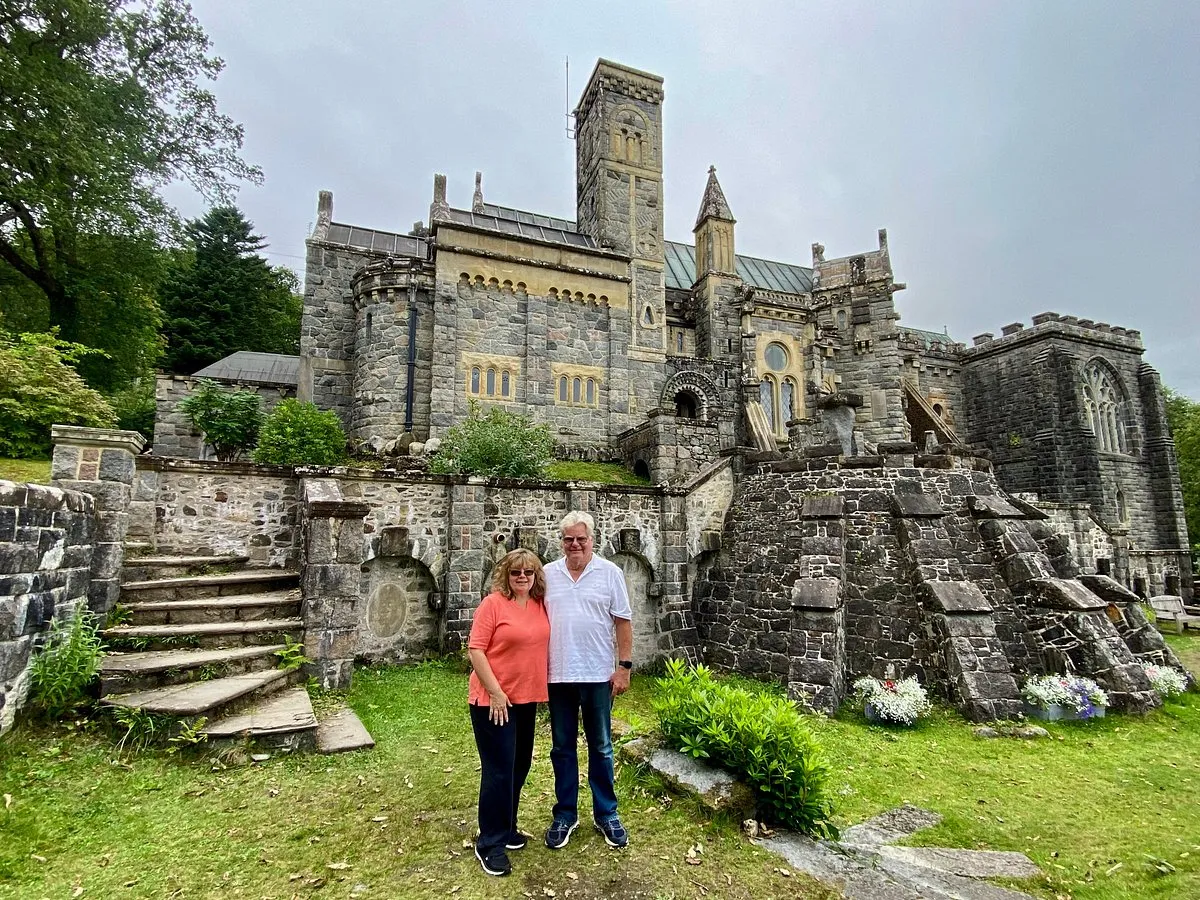
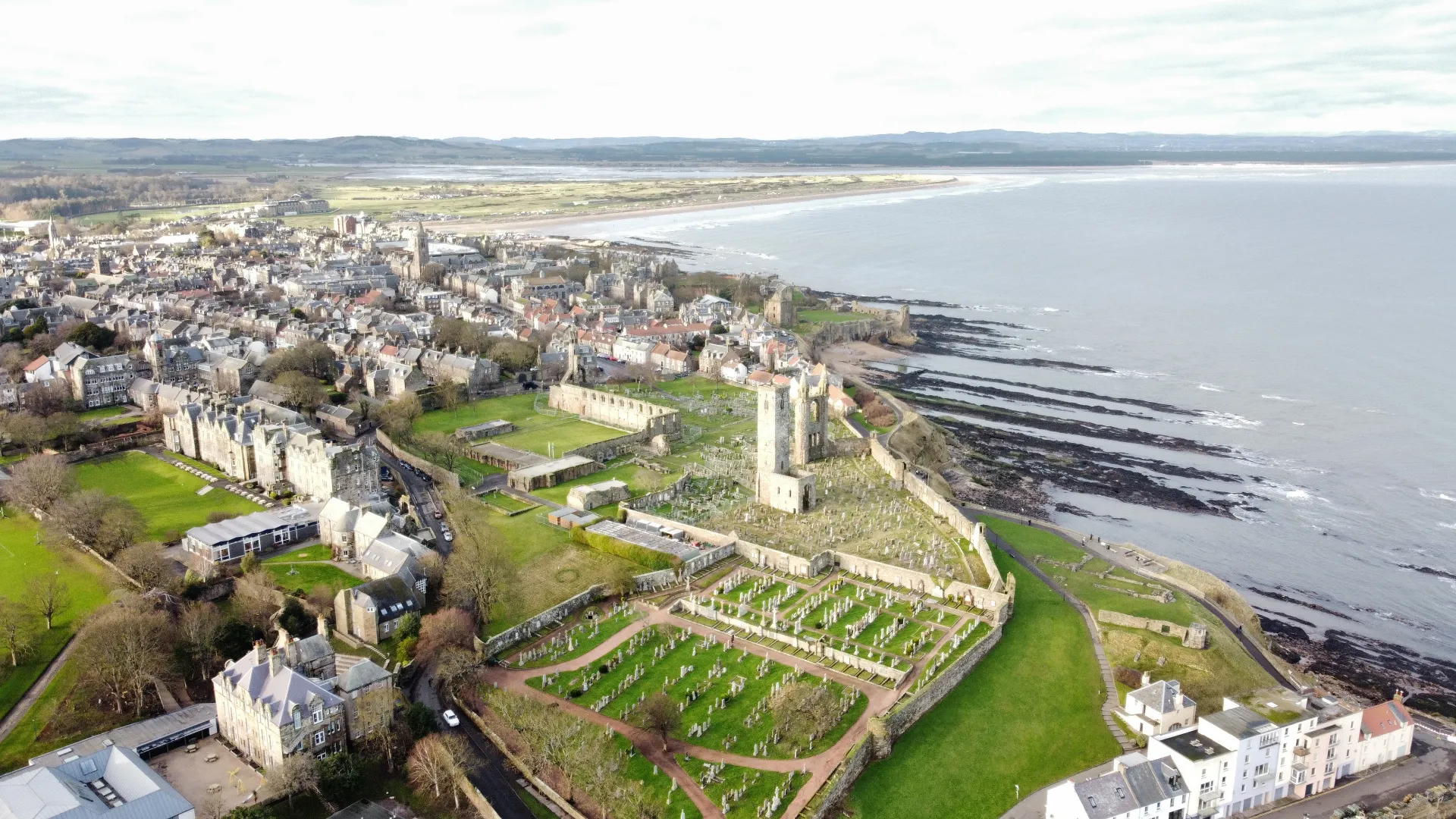
Our experience with Personal Scotland and Brian was outstanding. Brian is exceptionally knowledgeable about Scotland’s history and culture, and his gift for storytelling made every stop along our journey both engaging and memorable.
Alexander M, TripAdvisor
Day 2: Boat Trip to Noss National Nature Reserve and Mousa Visit Option
Day 2 is all about seabirds and towering cliffs. From Lerwick you can take a day boat to Noss National Nature Reserve where vaulted cliffs host thousands of seabirds over the summer months, and where short boat crossings of 20 to 40 minutes place you alongside colonies of gannets, puffins, razorbills and guillemots. The Noss trip is typically a half to full day outing, with the boat landing area and brief on-board narration; wear a windproof jacket and binoculars and expect up to 3 hours of active wildlife-watching time. If you prefer a quieter archaeology stop instead of or in addition to Noss, schedule a 2 hour exploration of Mousa, a small uninhabited island reachable by a short ferry and famed for its intact Iron Age broch; the standard visit lasts about 2 hours and is an ideal half-day excursion that pairs wildlife and history. Both Noss and Mousa are best visited between May and August when seabird numbers peak and boat services run daily.
What to Expect on the Boat
Boat conditions vary by operator, but most wildlife circumnavigation trips around Noss last between 2.5 and 4 hours including transfers, while Mousa landings and returns are closer to 2 hours. Expect informative commentary about seabird species counts, cliff heights and breeding seasons; bring waterproof layers, non-slip footwear and seasickness tablets if you are prone to motion. Boats operate with passenger limits for safety and bird disturbance reasons, so book ahead during mid-June through August when daily runs often sell out. Cameras with a 200 to 400 mm lens give the best seabird shots from a distance, and boat captains know the best approach angles to keep birds comfortable while still giving you unforgettable close views.

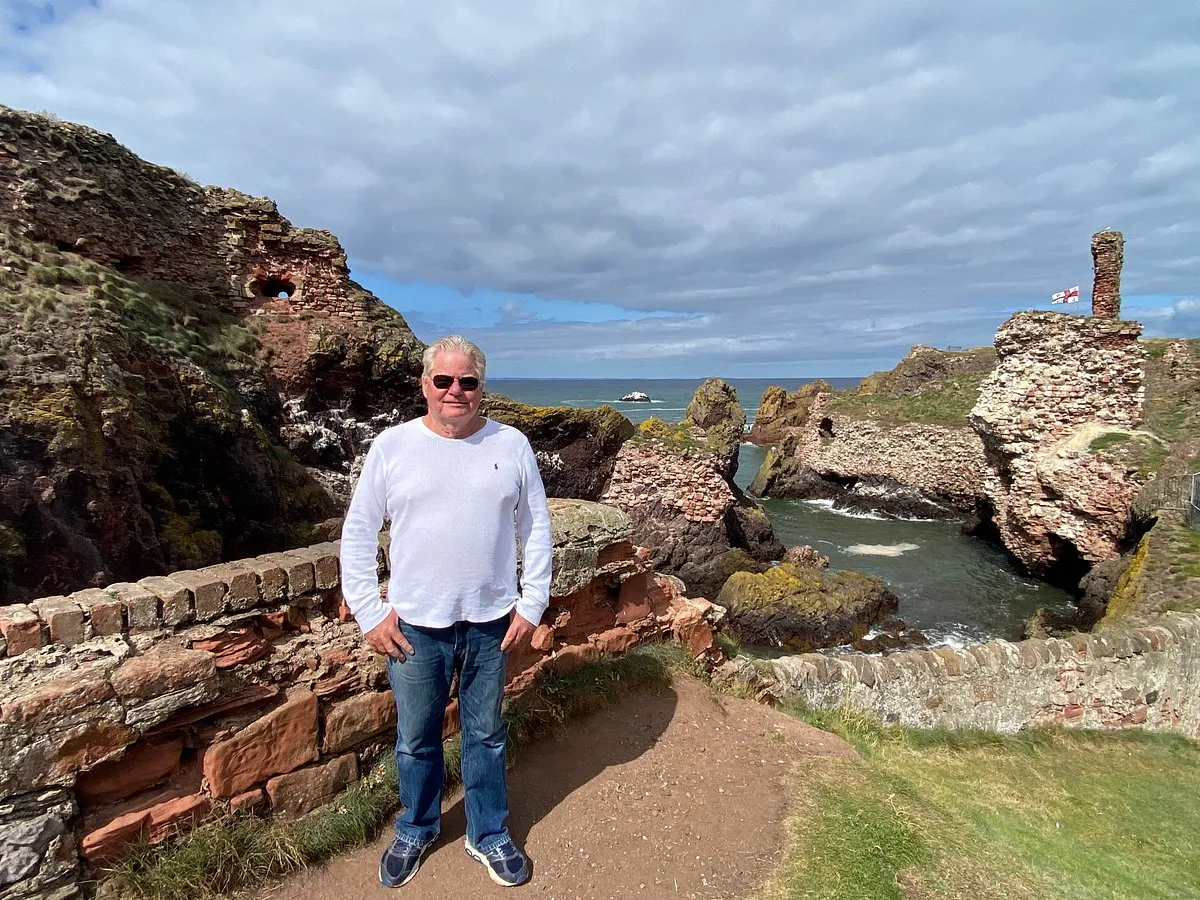
Plan at least two full days for seabird viewing and two full days for Neolithic and Iron Age sites to avoid rushed visits; Noss, Mousa, Skara Brae and Maeshowe each deserve dedicated time.
Day 3: Eshaness Coastal Hike, Sea Stacks and Tangwick Haa Museum
On Day 3 head to Shetland’s dramatic west coast for the classic Eshaness coastal walk, a scenic 4 mile circuit launched from parking points on the A971. This guided coastal walk covers cliffs, sea stacks, spectacular blowholes and the largest single sea cave known on Britain’s shores, and normally takes between 3 and 4 hours depending on stops for photos. Expect volcanic geology shaped over hundreds of millions of years, with rock formations that illustrate an inactive flank section and reveal bedding planes, dykes and sea-sculpted arches. After the hike, the Tangwick Haa Museum offers a comfortable contrast; the museum explores local social history and is an ideal 45 to 60 minute stop to learn about crofting life and Victorian-era Shetland. Practical notes: the path can be exposed to strong wind gusts up to 40 to 60 kilometres per hour, wear sturdy boots, and allow time for a 20 to 30 minute scenic detour to view the Ness of Burgi Iron Age fort if you have an interest in multi-period archaeology.
Geology and Walking Safety
Eshaness’s geology is an excellent outdoor classroom for volcanic processes; the folded and faulted basalt and sandstone cliffs record events from hundreds of millions of years ago. On the 4 mile route you’ll climb modestly on rough turf and then descend to viewpoints with minimal infrastructure, so pack waterproofs, a hat and walking poles if you use them. Guided walks commonly keep group sizes small, around 8 to 12 people, and include a local guide who will point out sea caves, volcanic features and birdlife. If you are photographing sea stacks, the late afternoon light often deepens the textures but check tide tables and local guidance so you do not stray onto unstable cliff edges.
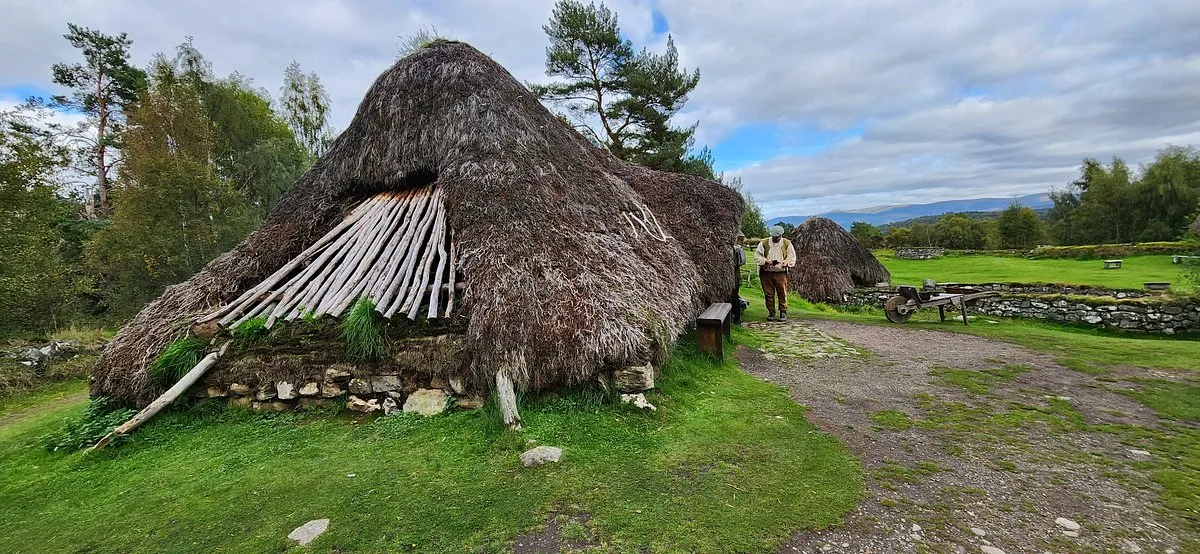
We booked four nights and five days with a private guide and fully enjoyed our time. Brian’s team handled almost everything for us, including booking our accommodations, admission to many sites, ferry fees, etc. All the logistics of the trip were handled professionally and without error.
Mark H, TripAdvisor
Day 4: Evening Ferry to Kirkwall, Stromness Walk and Scapa Flow
On Day 4 you take the evening ferry from Lerwick to Kirkwall, a sea crossing of approximately 6 to 8 hours that delivers you to Orkney in time to begin exploring the archipelago. Once in Orkney, Stromness is an excellent first stop; this second-largest town features narrow cobbled lanes, old merchant houses and the compact but fascinating Stromness Museum where maritime history, whaling artefacts and local stories are on display. Plan a guided walk of around 1.5 to 2 hours through Stromness, allowing time to visit cafes and the waterfront; from Stromness you can also arrange a short trip to Scapa Flow, the vast natural harbour associated with First and Second World War naval operations which includes museums and memorials detailing internments, scuttling events and the famous Churchill Barriers. If you are curious about wreck dives and naval archaeology, book the Scapa Flow museum time slot of roughly 60 to 90 minutes and reserve any specialised guided visits in advance.
Ferry Notes and Evening Arrivals
Evening ferries are a relaxed way to move between the islands; many travellers use the night crossing to sleep on board and wake in Kirkwall refreshed. Ferries often have cabins, reclining seats and limited food services, so if you are sensitive to motion consider booking a cabin. The crossing provides a good window to see porpoises or dolphins at dusk, and the Kirkwall harbour approach is a scenic entrance to Orkney. On arrival, keep to a walking rhythm; Stromness is compact enough that a 2 hour guided orientation will cover the harbour, the museum and key viewpoints before dinner.

Reserve guided entries for Maeshowe and timed boat landings such as Mousa well in advance, especially for travel in June through August.
Day 5: Neolithic Orkney, Ring of Brodgar and Standing Stones of Stenness
Day 5 immerses you in Orkney’s UNESCO World Heritage landscape, focusing on the Neolithic monuments clustered around the Ness of Brodgar, the Ring of Brodgar and the Standing Stones of Stenness. These sites form a stone-rich corridor where you can visit large circles, chambered cairns and ceremonial earthworks in a single day; walking between several monuments typically involves short drives of 3 to 12 miles and on-foot time of 30 to 90 minutes per site. The Ring of Brodgar is one of the major stone circles in Britain and combining this with visits to Maeshowe cairn and nearby museum experiences will easily fill a full day. For context on the UNESCO designation and the cluster’s significance, plan for 6 to 8 hours including travel, guided interpretation and photography time; many private island explorer tour itineraries include a local archaeologist or specialist guide for part of Day 5 to enhance understanding of the 5,000 year chronology.
Guided Access and Practicalities
Access to some sites is managed to protect fragile archaeology; guided group sizes are commonly limited to 8 to 15 people when a specialist guide is present. Maeshowe requires a time-specific guided entry to explore its passage tomb interior, so pre-booking is essential in the high season. Bring layers for unpredictable Orkney weather, and expect short unpaved approaches to the stones; good footwear and a 200 to 300 mm lens for photography are recommended. If you wish to extend your time, Rousay and Westray are short island hops from Kirkwall and offer additional chambered cairns and scenic walks.


Day 6: Skara Brae, Maeshowe and Optional Island Hops to Rousay or Westray
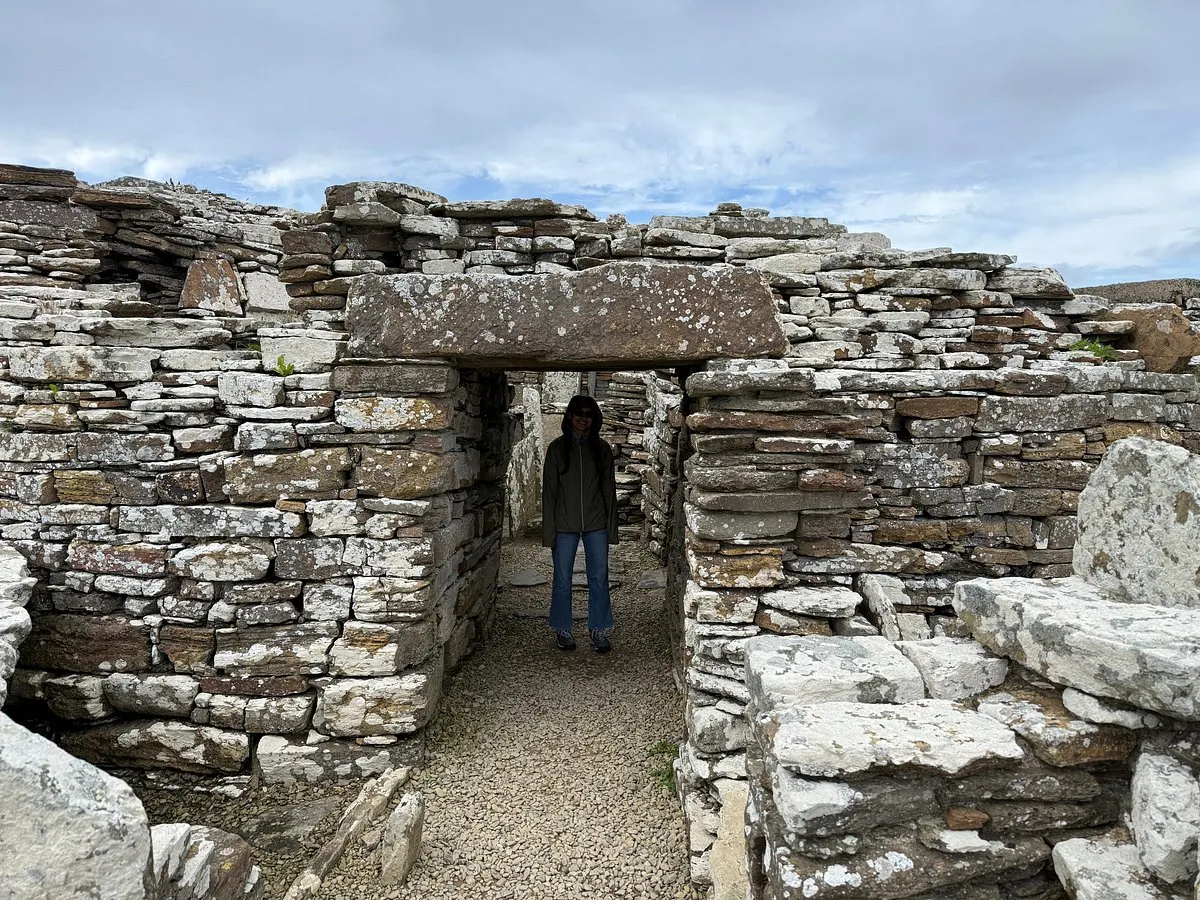
Your final day is a highlight: visit Skara Brae, the exceptionally well-preserved 5,000 year old Neolithic village with nine surviving houses, then follow with Maeshowe passage tomb and, time permitting, a short ferry hop to Rousay or Westray for additional archaeological visits. Skara Brae is normally allotted 60 to 90 minutes for exploration, depending on seasonal visitor flows, and is presented with boardwalks and interpretation panels to protect its fragile structures. From Kirkwall the short ferry to Rousay or Westray takes 20 to 40 minutes and offers more chambered cairns and coastal walking with minimal driving; island ferries run multiple times per day in summer but schedules vary, so plan crossings to fit your departure from Kirkwall. By the end of Day 6 you will have walked among houses older than Stonehenge, stood inside a passage tomb, and perhaps enjoyed a final island ferry crossing under a brisk Orkney sky.
Closing the Circle with Archaeology and Island Views
Skara Brae’s interpretation emphasises living spaces, hearths and stone furniture; because it dates to around 5,000 years ago and retains nine connected dwellings, a visit is a rare, tactile encounter with prehistoric domestic life. Maeshowe requires time-specific guided entry to view its decorated chamber, while Rousay adds smaller, quieter cairns and shorelines for a contemplative finish. For logistics, allow a comfortable two hour buffer between your last island hop and any onward ferry or flight from Kirkwall to avoid stress on the day of departure.

Bring waterproof layers, sturdy boots and a small daypack; wind and rain can change quickly and comfortable gear makes coastal walks far more enjoyable.
Mousa Island Broch: A Two Hour Wildlife and History Stop
Mousa Island is a compact, uninhabited visit that fits perfectly into a 6 day orkney shetland tour as a two hour stop. The island’s Iron Age broch stands almost intact at roughly 13 metres high, and the typical visit includes a short walk from the landing and time to circle the broch, study its internal stair and enjoy coastal birdlife. Boat transfers to Mousa are generally short and scheduled as morning or afternoon departures; expect the on-island visit to last about 2 hours, which gives you enough time for a close look at the broch and for a wildlife survey of seals and passing seabirds. There are no facilities on Mousa, so bring water and light snacks; the island is an evocative combination of archaeology and solitude that complements mainland museum visits in Lerwick and Kirkwall.
Access and Safety on Mousa
Landing on Mousa is by small boat and can be weather dependent; operators monitor swell and wind to protect both the broch and visitors. The walk from shore to the broch is usually under 10 minutes across grass and pebbles, and visits are manageable for most walkers with moderate mobility. Because Mousa lacks shelters and toilets, a 2 hour discipline on-site is recommended; local skippers will advise on the practicalities and often supply a short on-boat narration about the broch’s construction and the island’s seabird colonies.

Hermaness Nature Reserve and Muckle Flugga: Britain’s Northern Edge
Hermaness Nature Reserve on Unst rewards you with raw cliff scenery and views towards Out Stack and Muckle Flugga, Britain’s northernmost point. The reserve is famed for massive seabird colonies and dramatic coastal tundra; walks vary from short circular routes of 1 to 3 miles up to full day hikes depending on your energy, with viewpoints where you can see large numbers of gannets and puffins. The walk to Muckle Flugga viewpoints involves simple paths and an exposed moorland finish; allow 3 to 5 hours if you plan a full loop and photography stops. Transport to Unst usually begins from Lerwick with a combination of road and short ferry legs, so budget a travel day of roughly 2 to 3 hours from Lerwick, though the experience of standing near Britain’s northernmost outcrops often feels worth the transit time.
Planning Time for Unst
If you intend to reach Hermaness, plan for inter-island vehicle crossings and schedule at least half a day on Unst. The reserve’s terrain can be boggy after rain and winds may reach 30 to 50 kilometres per hour; pack gaiters and waterproof trousers if you expect wet conditions. Seasonal boat tours from nearby harbours also offer alternative vantage points for the reserve and Muckle Flugga in calmer weather, with typical durations of 2 to 3 hours including transit.
Old Man of Hoy and Orkney West Coast Coastal Trek
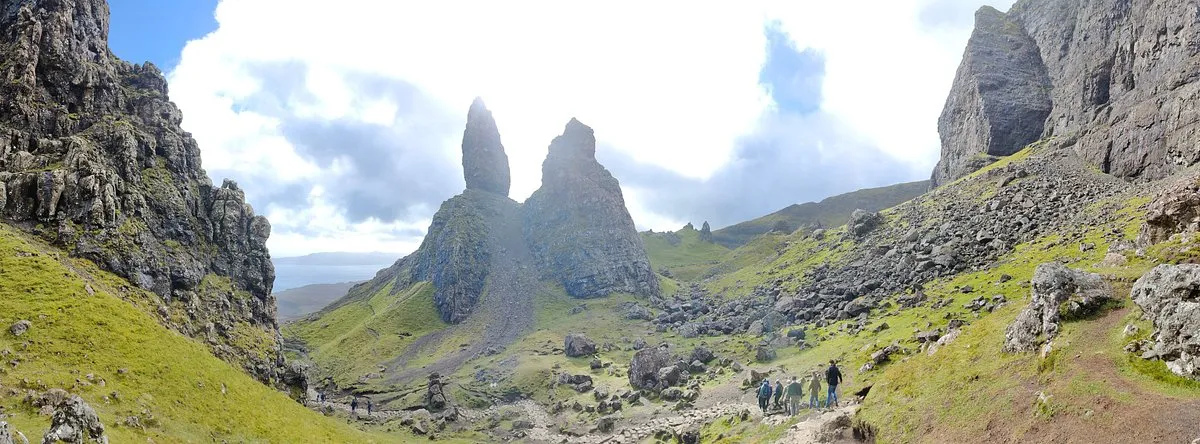
One of Orkney’s dramatic landforms is the Old Man of Hoy, an iconic 450 million year old sea stack visible from coastal hikes on Hoy island and the Orkney west coast. A typical coastal trek to good viewpoints involves a return walk of 4 to 6 miles, with rocky paths and short steeper sections; allow 3 to 5 hours depending on exact route and camera stops. The Old Man is best photographed with an early morning or late afternoon sun for depth and contrast, and boat operators also offer sea-level views for a different perspective with trip durations of around 2 to 3 hours. If you plan to include Hoy on your 6 day orkney shetland tour, factor in an inter-island ferry of about 30 to 50 minutes from Stromness or Lyness, plus minimal local transport to trailheads.
Photography and Coastal Safety
The coastal terrain around Hoy can be uneven and exposed; strong wind gusts are common, so use trekking poles for stability and avoid cliff edges. For photography a telephoto of 100 to 300 mm is useful to compress the stack against the skyline, while wider lenses capture the surrounding cliffs. Boat trips that get close to the base of the stack require calm seas and usually run with strict passenger limits; check local availability and weather forecasts before booking.
Practicalities: Ferries, Timings and Luggage on a Northern Isles Private Tour
Planning ferries is central to any 6 day orkney shetland tour; the main crossings you will consider include Lerwick to Kirkwall at about 6 to 8 hours, short hops between Kirkwall and Rousay or Westray of around 20 to 40 minutes, and local mainland-to-island ferries that typically run on fixed timetables with seasonal increases in frequency. Many private island explorer tour operators will handle ferry reservations, vehicle bookings and cabin allocation on your behalf to reduce stress. Luggage-wise, travel light where possible; ferry operators permit checked luggage and carry-on but limit space for large expedition gear, so a medium-sized soft bag of 20 to 25 kg per person is a comfortable guideline. Finally, always check the vessel’s boarding time, which can be 45 minutes to 90 minutes before departure for scheduled sailings, and allow time for contingency should weather cause delays.
Booking Tips and Seasonality
High season runs from May through September when daylight is long and boat services are most frequent; book ferries and any timed guided entries such as Maeshowe well in advance for June through August. If you prefer quieter travel and lower accommodation rates, consider shoulder months in late April or early October, but be aware that boat frequency is reduced and some attractions may have shorter opening hours. A private tour operator experienced with northern isles private logistics can coordinate all of this, including vehicle transfers and island ferry slots, often saving you time and the stress of juggling schedules.
Accommodation, Food and Island Hospitality
Over six days you’ll sample island hospitality across Lerwick, Unst, Kirkwall, Stromness and smaller harbours; options range from family-run bed and breakfasts to small hotels and self-catering cottages. Many accommodations include breakfasts and a chance to hear local stories, while evening meals at island inns often feature local seafood, lamb and seasonal vegetables with main courses priced roughly between 12 and 28 pounds. If you have dietary requirements, notify your host when booking as islands often source fresh supplies in limited weekly deliveries. Book accommodation early for June to August, and consider staying one night in Lerwick and two nights in Orkney to reduce daily packing and transfers; a common rhythm is Lerwick 2 nights, an overnight ferry, then Kirkwall 3 nights which allows a full day for Neolithic sites and one for a west coast or Hoy excursion.
Local Pubs and Evening Music
Many island pubs have live music nights, local storytelling evenings and small tasting menus featuring local beers or whiskies; these are excellent for sampling Shetland fiddling traditions and Orkney sea-song. If you wish to include whisky tasting in Orkney, check the opening and tour times of distilleries and book ahead as capacity is often limited to small group tastings of 6 to 12 people.
Booking Your Northern Isles Private Island Explorer Tour
If you are considering a 6 day orkney shetland tour as a private island explorer tour, a bespoke operator can craft a northern isles private itinerary that handles ferry bookings, guided entries, accommodation, and a balance of wildlife and archaeology. Expect to tailor your daily distances; typical guest group sizes for private tours are 2 to 8 people, with vehicle and skipper provided, and daily driving of 20 to 80 miles depending on islands visited. Pricing varies with season and inclusions; a private 6 day package that includes ferries, guided walks, museum entry and local transfers will typically be quoted on request, but plan on flexible budgets depending on accommodation choices, specialist guides and optional boat excursions. A professional operator will provide a clear itinerary with timing buffers, recommended packing lists and contingency plans for weather disruptions.
What to Ask Your Tour Operator
When discussing your trip ask about maximum group size, guide-to-guest ratio, included ferry crossings and who handles bookings for time-specific sites like Maeshowe. Confirm whether lunches, museum fees and local taxes are included, and inquire about cancellation policies for weather-dependent boat trips. A good operator will also advise on the best months for seabirds, recommends islands for specific interests such as archaeology or photography, and supply emergency contact numbers for inter-island transfers.


Quick Comparison of Key Stops on a 6 Day Orkney & Shetland Tour
| Place | Highlight | Typical Visit Time |
|---|---|---|
| Skara Brae | 5,000 year old Neolithic village with nine surviving houses | 60-90 minutes |
| Ring of Brodgar | Large Neolithic stone circle, part of UNESCO World Heritage | 30-90 minutes |
| Noss National Nature Reserve | Cliff seabird colonies and boat approach | 2-4 hours |
| Mousa | Intact Iron Age broch and seals | 2 hours |
| Eshaness | 4 mile coastal walk with sea stacks and large sea cave | 3-4 hours |
Frequently Asked Questions
How physically demanding is the 6 day orkney shetland tour?
The tour mixes easy town walks, moderate coastal hikes and short boat landings. Expect several 2 to 4 hour walks such as the 4 mile Eshaness circuit and coastal treks of 3 to 5 hours on Hoy for the Old Man of Hoy viewpoint. Most guided groups are small and routes are chosen to suit the party; if you have reduced mobility, request a tailored itinerary with shorter walks and more time in museums and coastal viewpoints. Bring supportive footwear and consider trekking poles for uneven terrain.
When is the best time of year to go for wildlife and archaeology?
For maximum seabird activity and calmer boat services, travel between May and August when puffins, gannets and thousands of other seabirds are breeding and daily boat trips run. Archaeological sites are open year-round but some guided entries like Maeshowe have limited slots in summer; shoulder months in April or September offer quieter sites and lower accommodation rates but reduced ferry frequency, so allow more transit time between islands.
Can I combine both islands if I have mobility considerations?
Yes, combining Orkney and Shetland is perfectly feasible with mobility considerations. A northern isles private operator can design short drives, select attractions with minimal walking such as Stromness Museum or the Shetland Museum, and prioritise boat trips with gentler boarding. Schedule slower days, overnight ferry crossings to reduce daytime transit, and communicate mobility needs in advance so appropriate vehicle and ferry arrangements can be confirmed.
Ready to plan your Northern Isles private island explorer tour?
If you are ready to craft a personalised 6 day orkney shetland tour with expert guides, ferry logistics and local knowledge, get in touch and we will plan every detail for you.
Contact Personal Tours of ScotlandSources
- Wilderness Travel Skara Brae information – Details on Skara Brae and Jarlshof ages and visitor context
- VisitScotland Eshaness and Mousa details – Information on Eshaness coastal walk, Mousa timings and geology notes
- Intrepid Travel Lerwick walking tour – Lerwick guided walking route and distance information
- Audley Travel Neolithic Orkney UNESCO – Context on Ring of Brodgar and Orkney World Heritage sites
- Brightwater Holidays ferry information – Notes on ferry timings and overnight crossings between Lerwick and Kirkwall
Final Thoughts
A 6 day orkney shetland tour is an unforgettable way to experience Britain at its northernmost edge, where prehistoric houses older than 5,000 years sit beside sea stacks, seabird cliffs and wartime harbours. With this island explorer tour you can balance guided walks, boat trips and museum visits across Lerwick, Kirkwall, Stromness and smaller isles like Mousa and Rousay, all while enjoying the warm hospitality of island hosts. If you love birds, ancient stones and wide horizons, these six days will deliver both slow moments to savour and active adventures to remember.