
14-Day Grand Tour of Scotland: Your Complete Scotland Private Tour from Edinburgh to Orkney
If you have two weeks to fall in love with Scotland, this 14 day scotland tour is the perfect canvas. Picture arriving in Edinburgh, climbing to the battlements of Edinburgh Castle to gaze at the city below, then following a ribbon of roads through Stirling and the Trossachs, into the great sweep of the Highlands and across to the Isle of Skye. From there you will ferry to Orkney or fly from Inverness, explore Neolithic circles, stand beneath the 21-arch Glenfinnan Viaduct as the Jacobite steam train crosses and search for Nessie on a Loch Ness cruise from Fort Augustus. This grand tour scotland plan strings together the nation’s signature moments; it totals around 548 miles of driving on the classic 14-day route, and it is designed for a complete scotland private tour experience. I will walk you through each day, practical costs like the Edinburgh Castle ticket at £19.50, ferry times, must-see detours and the insider timings that turn a packed two-week schedule into a relaxed, unforgettable journey.
1. Edinburgh: Castle, Royal Mile and Holyrood
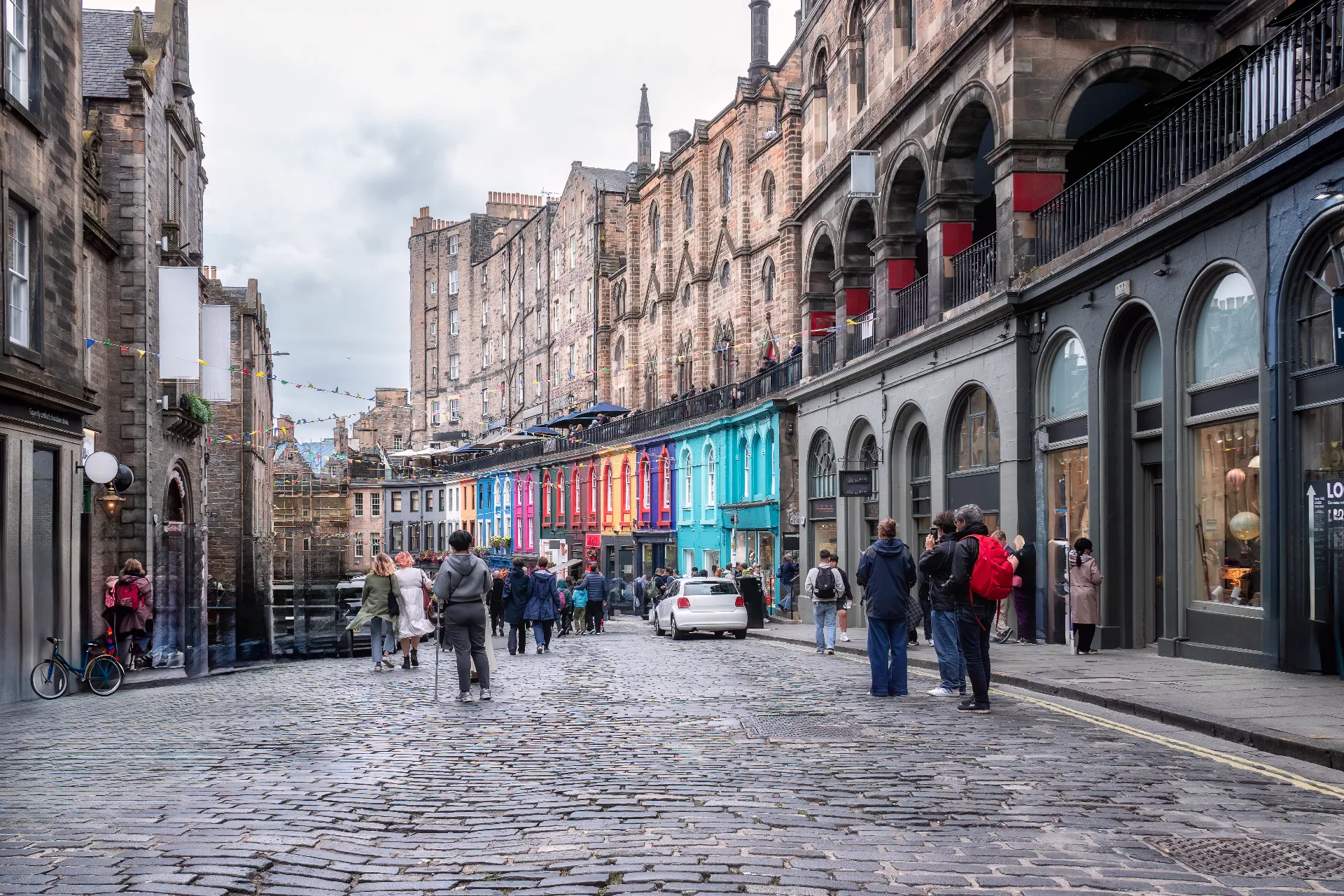
Begin your 14 day scotland tour in Edinburgh, a city that rewards slow discovery and confident strides alike. Start at Edinburgh Castle on Castle Rock where you can see the Stone of Destiny and enjoy panoramic views of the city; adult entry is £19.50 and most visitors pair the castle with the Royal Mile walking loop which takes roughly two hours at a relaxed pace. From the castle walk down to St Giles Cathedral, then carry on to Holyrood Palace, the official Scottish residence that sits beside Holyrood Park; many travellers combine that palace visit with a hike up Arthur’s Seat, the extinct volcano that dominates the skyline, allowing you clear views across the city and Fife. Practical timing note, plan the castle for early morning to avoid queues and book Holyrood Palace later in the day when audio guides and rooms are less busy. If you arrive on foot or by car you will find central accommodations priced across five-star hotels to cosy guesthouses, so budget your first two nights here to recover from travel and to acclimatise before you set off into the Highlands.
Edinburgh is ideal for pre-tour logistics: you can confirm vehicle hire, private-guide arrangements and any rail bookings here. If you prefer to use a private company for a complete scotland private tour, many operators will meet you in the city and drive the first leg to Stirling or the Trossachs; that saves you swapping luggage and keeps your schedule flexible. Foodwise, allocate at least one evening to try haggis, a local seafood platter and a dram; Scotland has over 130 distilleries that you can sample across the country, though tasting rooms are concentrated outside the urban hub. Transport tips: the city centre’s compactness means walking is often faster than taking a taxi during peak times, and an early-morning start on day two gets you out of Edinburgh traffic as you head north for the next stage of the grand tour scotland route.
Practical Details for Edinburgh
Allow two full days in Edinburgh at the start of your 14 day scotland tour, with one day dedicated to the castle and Royal Mile and the other for Holyrood Park and a museum such as the National Museum of Scotland. Expect opening hours for major sites to begin around 9.30am, and check seasonal changes for later closures. Pre-book your Edinburgh Castle ticket for £19.50 to save queuing time; audio guides are often included. If you are arriving by international flight, factor in one transit day: pick up your hire vehicle or meet your private guide in the city centre and confirm your route for day three to Stirling and Loch Lomond.

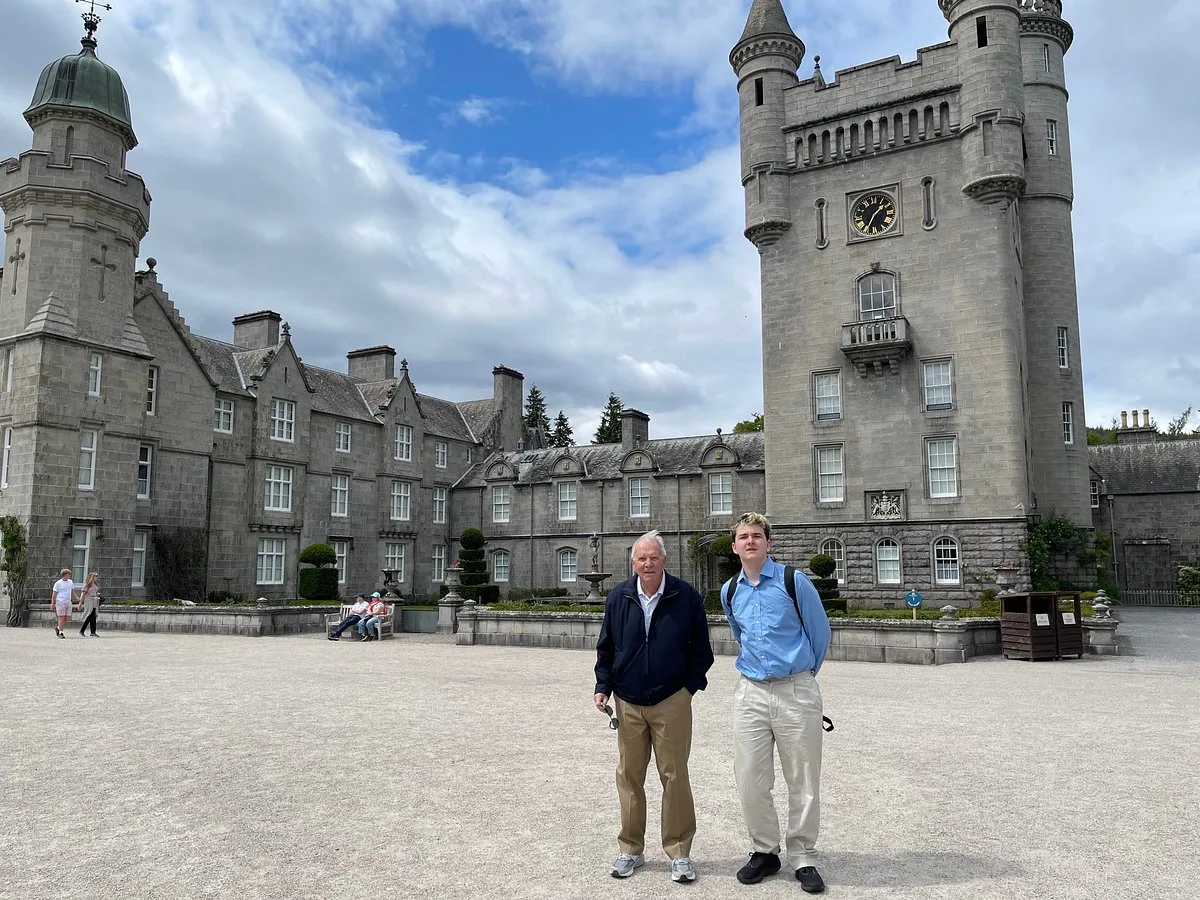
Choosing Personal Tours of Scotland for our 14-day tour of Scotland was the best travel decision we’ve ever made!
Tom H, TripAdvisor
2. Stirling, Bannockburn and Scone Palace
On day three of your 14 day scotland tour head west to Stirling, a compact city with outsized history. Stirling Castle sits above the old town and overlooks the Bonnie Banks; it was a royal seat and a strategic fortress where events like the Battle of Bannockburn shaped Scotland’s destiny. Allow two to three hours to explore the castle’s palace rooms, Great Hall and the viewpoint over the Forth Valley. Nearby, the Bannockburn battlefield visitor centre brings the 1314 conflict to life with immersive displays, and it is an excellent short stop if you are following a historic route north. After Stirling continue east to Scone Palace in Perthshire, the coronation site where Scottish kings were enthroned; the palace gardens feature the Murray Star Maze and guided tours of the state rooms. Admission prices vary seasonally; check opening times if you plan to visit both Stirling Castle and Scone Palace in one day, because combined visits make for a very full day if you are travelling with family or on foot.
Scone sits conveniently as a gateway between Perthshire and the Highlands, so this is a logical place for your first night outside the city if you do not want to push straight into the Cairngorms. Practical tips for your grand tour scotland itinerary: book Stirling Castle tickets in advance at peak season, allow at least 90 minutes for Bannockburn’s exhibits and set aside 60 to 90 minutes for the Scone Palace house tour and gardens. If you are tracking distances, Stirling to Scone is about 35 miles by road and takes roughly an hour depending on traffic, which makes either location a comfortable half-day outing while you adjust to driving in Scotland.
Insider Tip at Scone Palace
Try to visit the gardens late afternoon when light softens across the Murray Star Maze; guided tours of the palace often include stories of medieval coronations such as Macbeth in 1054, making the visit rich in context and theatrical detail.

Reserve Edinburgh Castle entry, Jacobite train seats, Skye accommodation and island ferry vehicle slots well ahead for summer travel to avoid disappointment.
3. Loch Lomond and the Trossachs National Park
Driving northwest from Stirling you enter the Trossachs and the shores of Loch Lomond, the first taste of true Highland water and islands on your 14 day scotland tour. Loch Lomond’s southern reaches have boat trips and village piers; a half-day cruise combined with a picnic or woodland walk gives you a refreshing transition between lowland castles and the mountainous Highlands. The Trossachs National Park offers looped drives of 40 to 70 miles depending on the route you choose, with spots like Luss and Tarbet providing charming waterfront cafes and short trails. If you have time, detour to Loch Katrine, where the steamship SS Sir Walter Scott runs on scheduled services and delivers classic Highlands atmosphere. Practical planning: summer parking can be limited at the popular viewpoints, so aim to arrive early or later in the afternoon; fuel up at larger towns before you head into single-track roads that characterise the heart of the national park.
For a complete scotland private tour this stretch is one of the most rewarding days because it blends easy walking, boat time and photographic viewpoints in a single compact region. If you are aiming to keep the overall pace gentle, plan lodging at a country house hotel on the loch shore or a converted farmhouse; these options often include evening meals, saving you the need to navigate unfamiliar village restaurants after a long day. Driving distances here are modest: Stirling to Balloch on the western shore is about 30 miles, and a circular exploration of the Trossachs can add between 40 and 70 miles depending on how many small roads and coastal inlets you choose to follow.
Boat and Walk Combinations
Pair a short Loch Lomond cruise with a one-hour shore walk to stretch your legs; boat timetables vary seasonally so check local schedules for the SS Sir Walter Scott and small launch services before you set out.
Our experience with Personal Scotland and Brian was outstanding. Brian is exceptionally knowledgeable about Scotland’s history and culture, and his gift for storytelling made every stop along our journey both engaging and memorable.
Alexander M, TripAdvisor
4. Cairngorms National Park and Aviemore
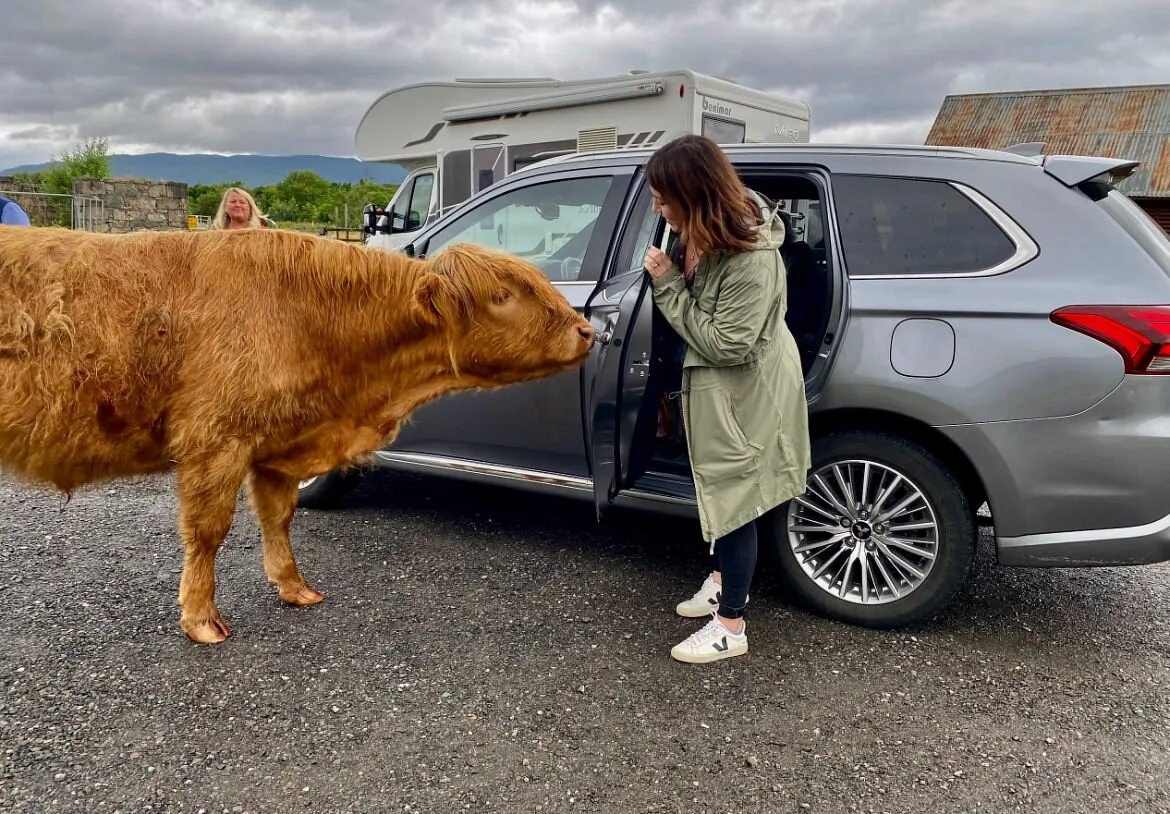
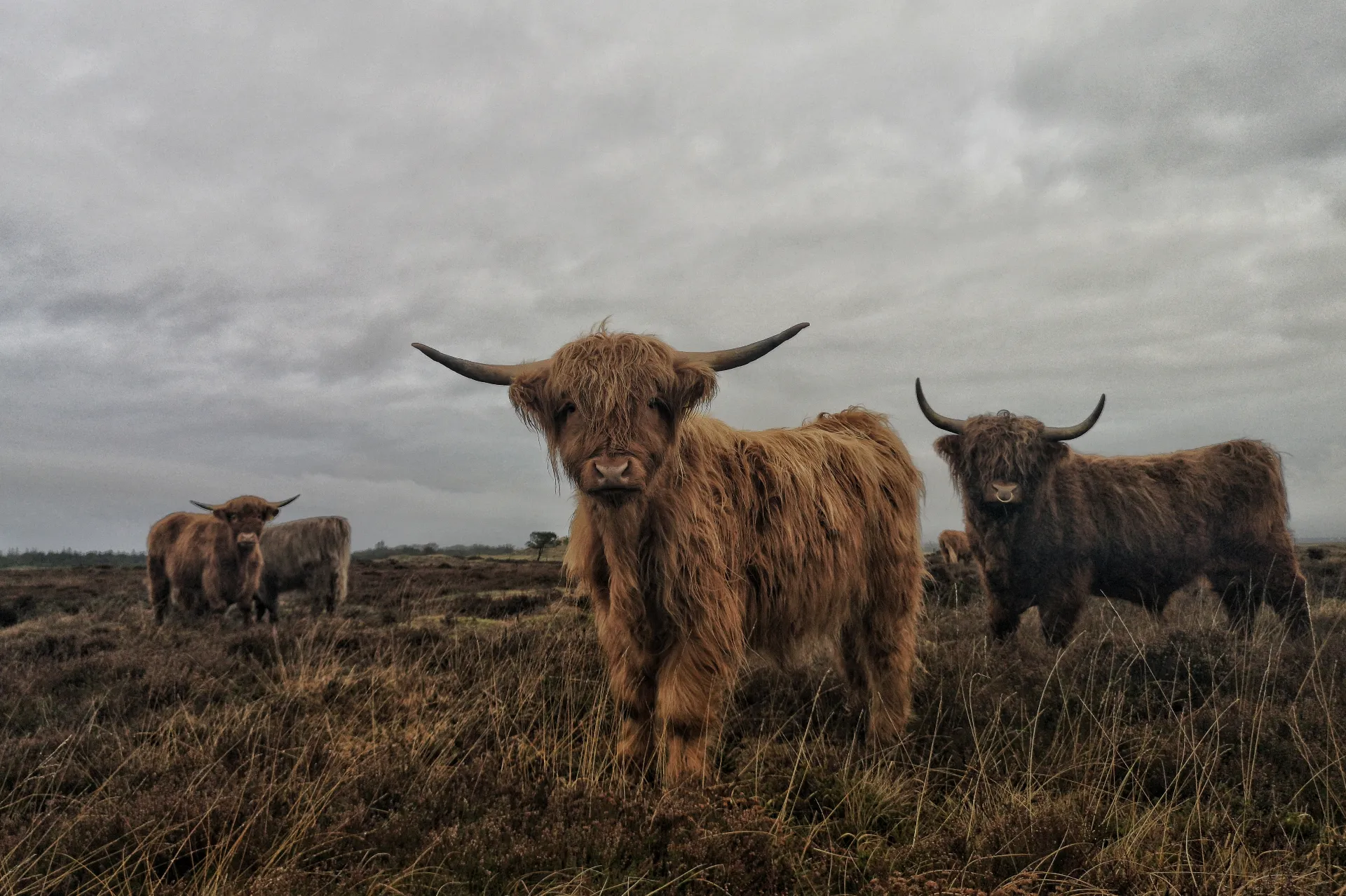
As you push into the Cairngorms National Park you are entering 1,748 square miles of wildland; this is where Scotland’s mountains begin to assert themselves. The park is a wildlife-rich area with herd of red deer, capercaillie in remoter pinewoods and a network of walking routes from easy glen paths to higher, more demanding ascents. Aviemore is the practical hub for a stay of two nights; it offers restaurants, outdoor equipment hire and family-friendly attractions. If you want to test your legs, walk sections of the Ryvoan Pass or join a guided hillwalk up lesser peaks; for a real Highlands high point you can plan a separate day for Ben Macdui or other Cairngorm summits. The park presents good winter sports too, if your 14 day scotland tour is timed for snow; skiing and snowshoeing services operate in season and local outfitters provide equipment and guided options.
Logistics: the Cairngorms are centrally placed for the route north to Inverness and east to Aberdeenshire if you are including castles along the coast. Accommodation in Aviemore ranges from B and Bs with nightly rates from modest to luxury lodges with spa facilities; book early for summer and autumn when walkers and wildlife enthusiasts converge. Practical timing for this leg of your grand tour scotland is two nights minimum so you can enjoy both a lowland forest walk and a higher mountain experience without rushing; this also gives you time to visit local distilleries and sample regional cuisine before you head on to Loch Ness and the Great Glen.
Wildlife and Mountain Safety
When walking in the Cairngorms bring waterproofs, a map and compass or GPS, and allow plenty of time for descents; weather can change rapidly even in summer, so layering and a detailed route plan make for a safer, more enjoyable day.
Allow two nights in the Cairngorms, two in Skye and two in Orkney if included, so you get both hiking and relaxed exploration without rushed drives.
5. Inverness and Loch Ness Cruise
Inverness is the capital of the Highlands and your natural base for exploring Loch Ness and the Great Glen; plan at least two nights here during your 14 day scotland tour. From Inverness make the short drive to Fort Augustus where you can board a one-hour Loch Ness cruise that traverses the loch’s 23-mile length; many cruise operators include sonar scans and commentary, making it both scenic and engaging for families tracking the famous monster. Loch Ness itself reaches a maximum depth of 755 feet, creating the deep, dark water that fuels its legends. While in Inverness, explore the riverside, visit Inverness Castle viewpoints and consider a short whisky stop at a nearby Speyside or Highland distillery within a 30 to 60 minute drive. Dining options range from fresh local salmon and seafood to hearty Highland stews, and evening walks along the River Ness are an excellent way to unwind after a day on the water.
Timing and logistics: book higher-season Loch Ness cruises in advance to secure prime seating on the upper decks; many cruises run several times daily in summer, tapering to fewer departures in winter. Driving times from Inverness to Fort Augustus are roughly 1 hour 15 minutes depending on exact start point, and fuel stops are plentiful en route. If you want to layer in another attraction, consider the nearby Inverness Museum or a detour to Urquhart Castle for dramatic lochside ruins and photographic viewpoints. For a private, complete scotland private tour feel, your guide can tailor the cruise length and add a whisky or historical stop as you prefer.
Loch-side Dining and Photo Stops
Fort Augustus and Drumnadrochit both offer excellent loch-side cafés and vantage points; aim for the golden hour on the cruise for the best light across the water and a memorable photo of Loch Ness.
6. Glenfinnan Viaduct and the Jacobite Steam Train
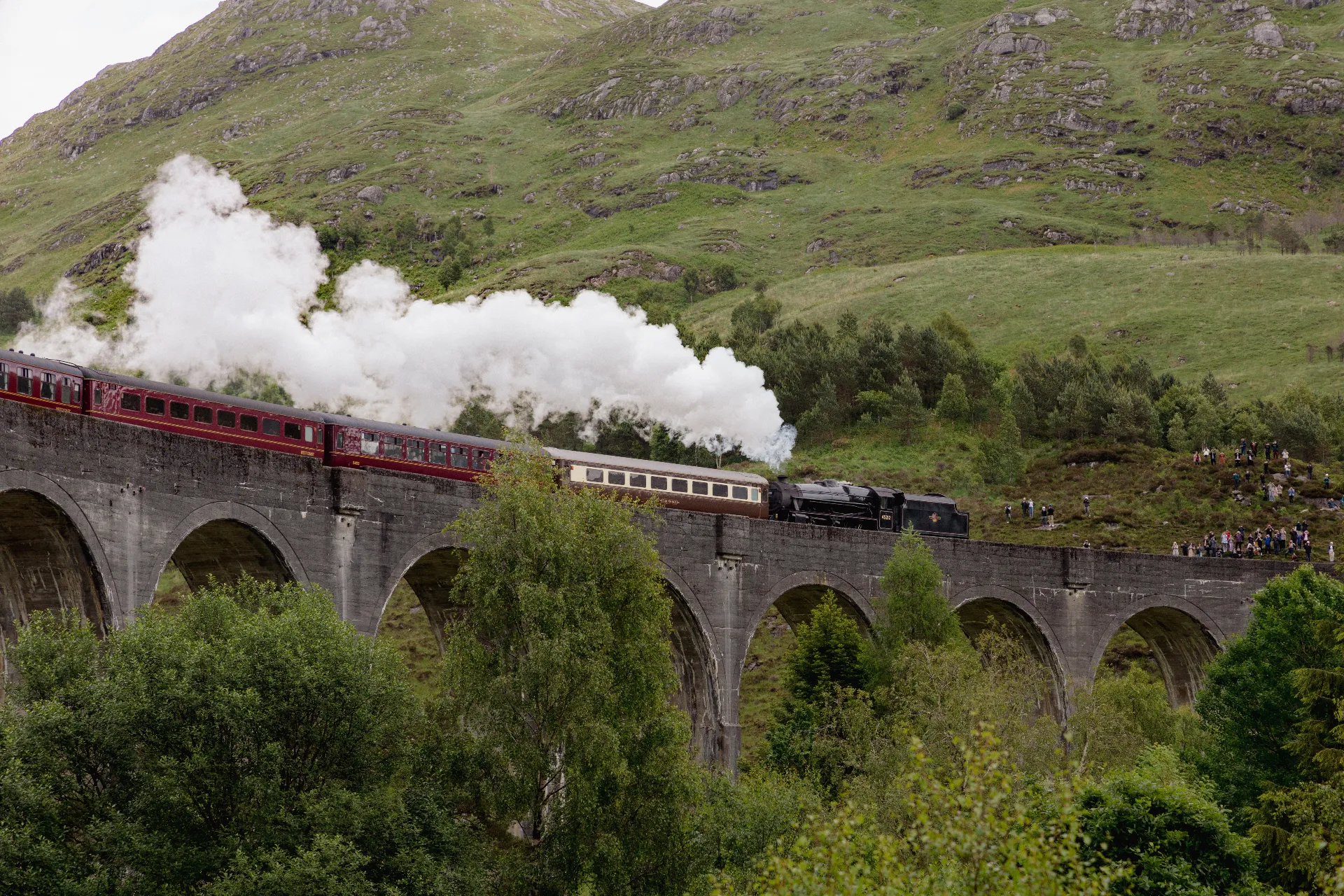
Few images are as iconic on a grand tour scotland as the Jacobite steam train crossing the Glenfinnan Viaduct. The viaduct stands 100 feet high with 21 graceful arches, and the experience of watching the heritage steam service, often nicknamed the Hogwarts Express, cross the structure is unmissable. If you are not travelling on the train itself you can watch from the viaduct viewpoints; allow at least 90 minutes for arrival, viewpoint walk and photography, especially during the train’s daily runs in summer. Glenfinnan also hosts a magnificent visitor centre and a Glenfinnan Monument opposite the viaduct, both of which add context to the area’s Jacobite history. Plan to reach Glenfinnan from Fort William in under an hour by car if you are following the west coast route, and remember that parking near the viewpoint can fill quickly when multiple services run that day.
If you opt to ride the Jacobite train between Fort William and Mallaig, book tickets well in advance: the route is popular and sells out in high season. The ride itself offers spectacular coastal segments and views across Loch Shiel, with a journey time of a few hours one-way depending on stops. For photographers, the east side of the viaduct gives the classic shot of the train mid-arch, while the west side offers sweeping landscapes. If your 14 day scotland tour includes a night in Fort William, build in time to explore Ben Nevis countryside and the local heritage centres before you travel over the viaduct.
Viewing the Viaduct
Aim for mid-morning or late afternoon visits to the Glenfinnan viewpoints to avoid the largest coach groups; bring waterproofs and sturdy shoes because the approach paths are uneven in places.
Bring layered clothing, waterproofs and sturdy boots; mountain and coastal weather can shift rapidly even on a single day.
7. Isle of Skye: Fairy Pools, Old Man of Storr and Dunvegan
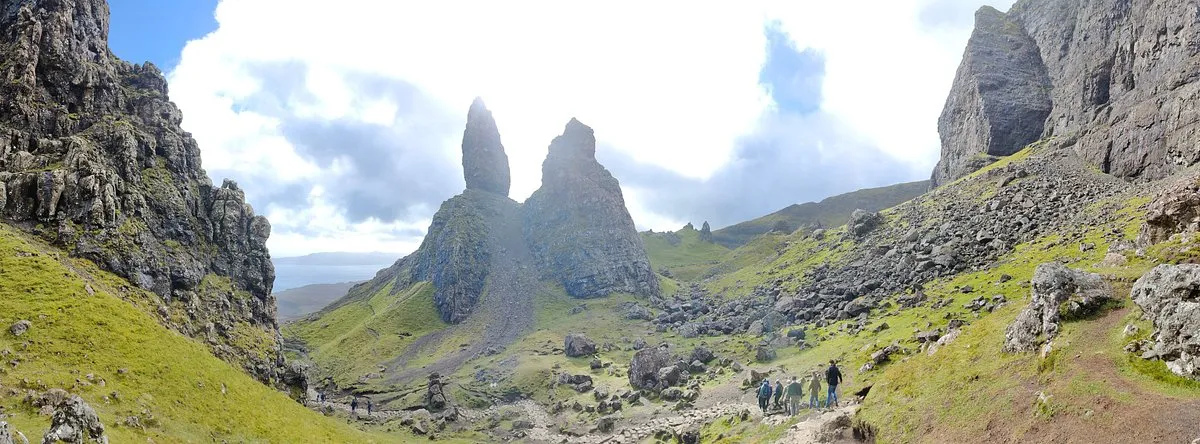
Isle of Skye is one of the grand tour scotland highlights and deserves at least two full days. The island’s landscape ranges from the jagged Trotternish ridge with the Old Man of Storr to the crystalline Fairy Pools on the River Brittle, where cascades and clear, blue-water pools invite walkers and photographers. Dunvegan Castle, the historic seat of Clan MacLeod since the 13th century, is another unmissable stop with gardens and a clan museum; the castle’s long family association brings centuries of history into view. Driving on Skye involves single-track sections and short bridges, so allow extra time for all distances: the island’s main attractions can be 30 to 50 miles apart by coastal roads that invite lingering at viewpoints. Popular hikes like the Storr or the Quiraing can take two to four hours depending on pace, so plan your days to include rest and gallery or local seafood meals in Portree.
Logistics for Skye: if you are including Skye on a 14 day scotland tour consider an overnight on the island rather than returning to the mainland the same day; this allows dawn or dusk visits to the Fairy Pools and quieter times at major viewpoints. If you prefer to travel light, many visitors base in Portree where accommodation ranges from boutique guesthouses to larger hotels; book early in summer as rooms fill quickly. For a cinematic photo of the coastline, schedule a late afternoon at Neist Point lighthouse; the combination of sea cliffs, lighthouse and long light makes it an atmospheric finale to a day of island exploration.
Walking on Skye
Bring waterproof layers, map and a stout pair of walking boots for the Fairy Pools and Storr; even short walks feel more remote than their distance suggests because of rocky ground and swift weather changes.

8. Eilean Donan Castle and the Western Highlands
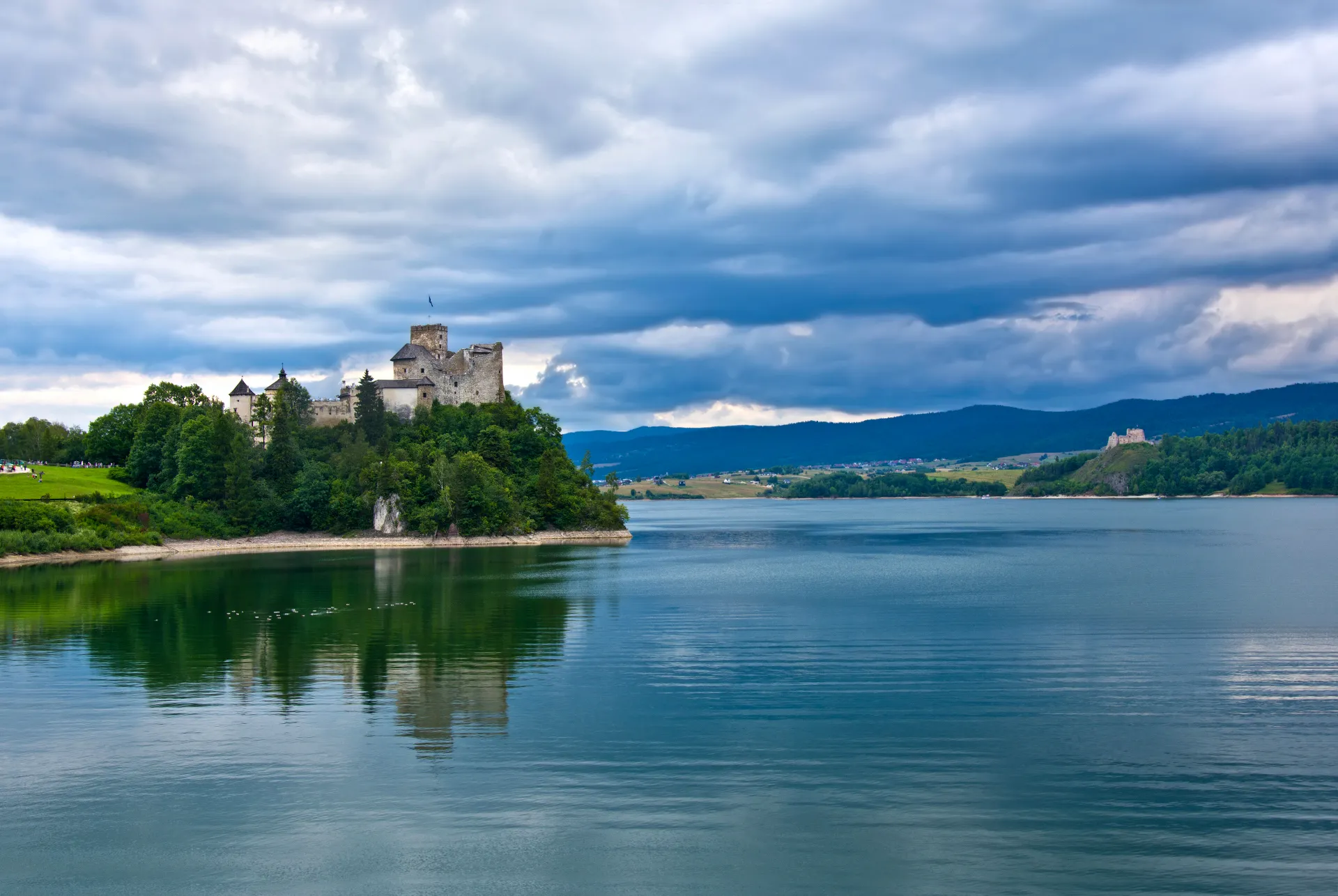
On your way back from Skye toward the mainland include the picture-postcard stop at Eilean Donan Castle, perched on a tidal island at the meeting point of three sea lochs. The castle was reconstructed in 1932 and has been a film favourite, appearing in iconic films such as Highlander; the visitor experience includes interpretive displays and commanding photo opportunities from the causeway. Nearby villages such as Dornie and Kyle of Lochalsh provide cafés and short walks for a relaxed lunchtime stop. From Eilean Donan you can follow the A87 towards the Black Isle or head south toward Fort William and Glencoe, depending on your route and schedule. Road distances from Skye’s bridgehead to Eilean Donan are usually under 40 miles, making the castle a convenient half-day diversion that rewards your camera and your curiosity about clan history and coastal geology.
Practical advice: the castle grounds are compact but the setting is dramatic, so arrive with your camera ready for the best light in the morning or late afternoon. If you are travelling with a private guide as part of a complete scotland private tour, Eilean Donan fits neatly into a day that also includes a loch-side lunch and a visit to nearby artisan craft shops. For many travellers the castle marks a transition from island landscapes back to mainland moorland and mountain scenery, so use this stop as a chance to stretch your legs and enjoy a slower tempo before the busier days to come.
Photography at Eilean Donan
For the classic shot position yourself on the causeway at low tide or near golden hour; a wide-angle lens captures the tidal island setting and the surrounding sea lochs most effectively.

9. Orkney Islands: Ring of Brodgar and Neolithic Skara Brae
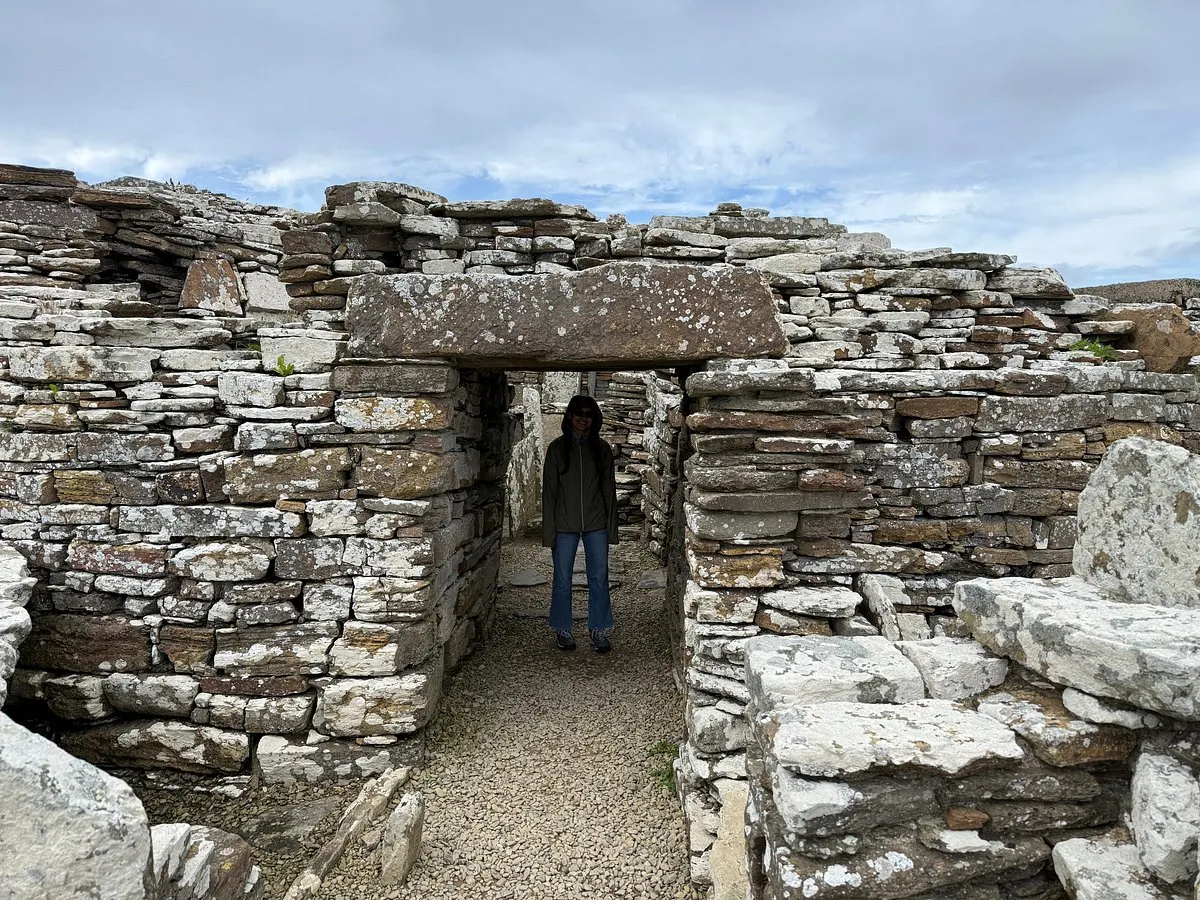
To reach the Orkney Islands you can take a 90-minute ferry from Scrabster or fly from Inverness, making them a feasible extension on a 14 day scotland tour if you plan the logistics correctly. Orkney is a UNESCO-rich landscape where the Neolithic heart of Britain is visible in places like the Ring of Brodgar, a ceremonial stone circle dating to around 2500 BC, and Skara Brae, the remarkably preserved prehistoric village. Allow two days on Orkney to fully explore these sites plus Maeshowe chambered cairn and quaint Kirkwall with its Viking and cathedral heritage. Ferries operate regularly in season, but if you are including Orkney in your grand tour scotland itinerary, book vehicle ferry slots early since space is limited for cars and larger groups; flights from Inverness are an alternative and can be quicker depending on weather and schedules.
Practicalities on Orkney: the island roads are generally quiet single-track and easy to drive, and distances between major sites are short, typically under 20 miles in most touring loops. Accommodation ranges from family-run B and Bs to small hotels in Kirkwall and Stromness; for a deep dive into Orkney life consider a cottage stay where you can experience local seafood and island rhythms. Timed visits to Skara Brae and the Ring of Brodgar at sunset feel especially atmospheric; plan your days around ferry departure times or flight windows so you maintain a relaxed pace and avoid last-minute scrambles at the end of the mainland leg.
Orkney Logistics
Reserve ferry vehicle spaces well in advance for summer travel, or check flight availability from Inverness if you prefer a quicker hop; both options connect you to Orkney’s rich archaeological circuit.

10. Falkirk Wheel and The Kelpies
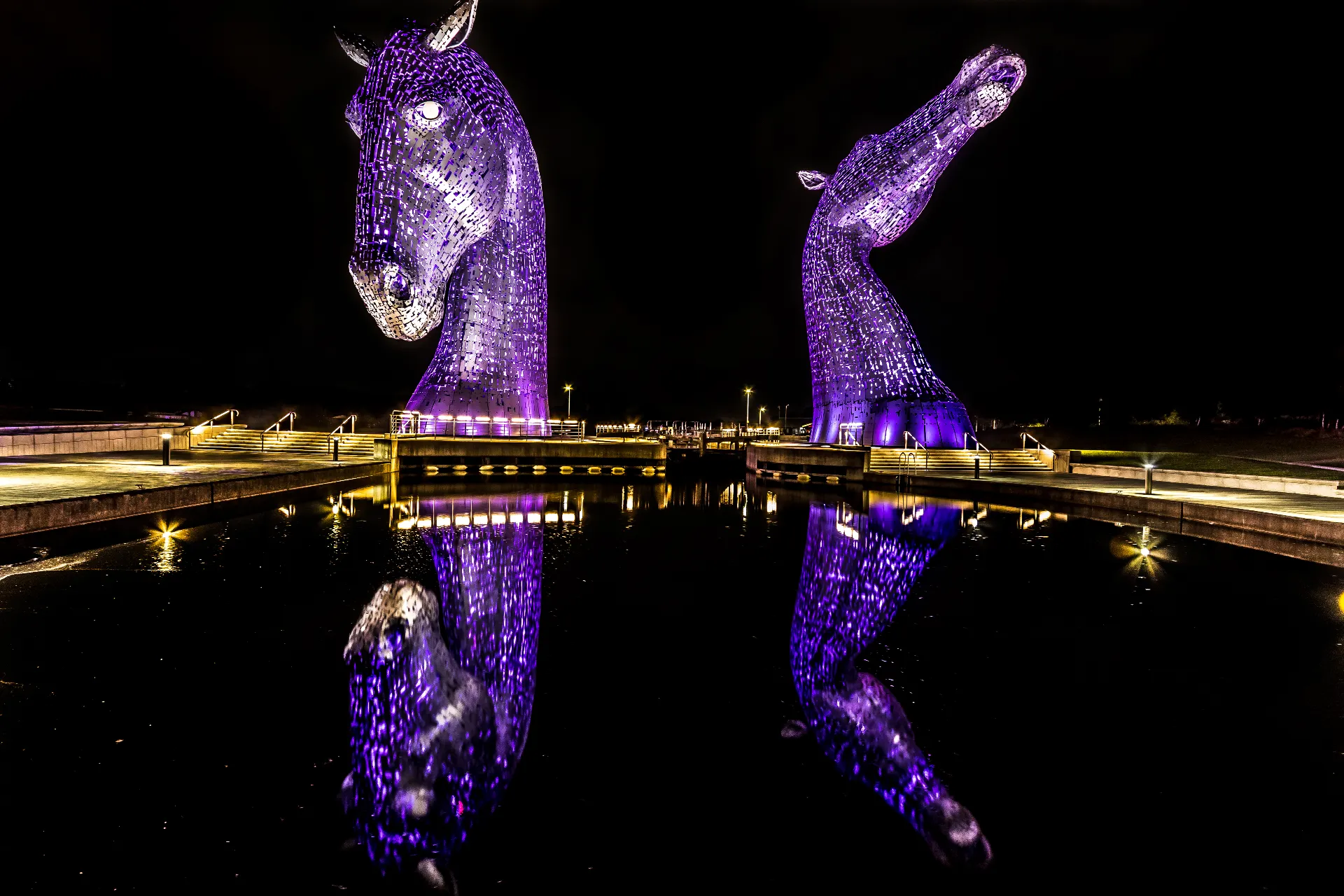
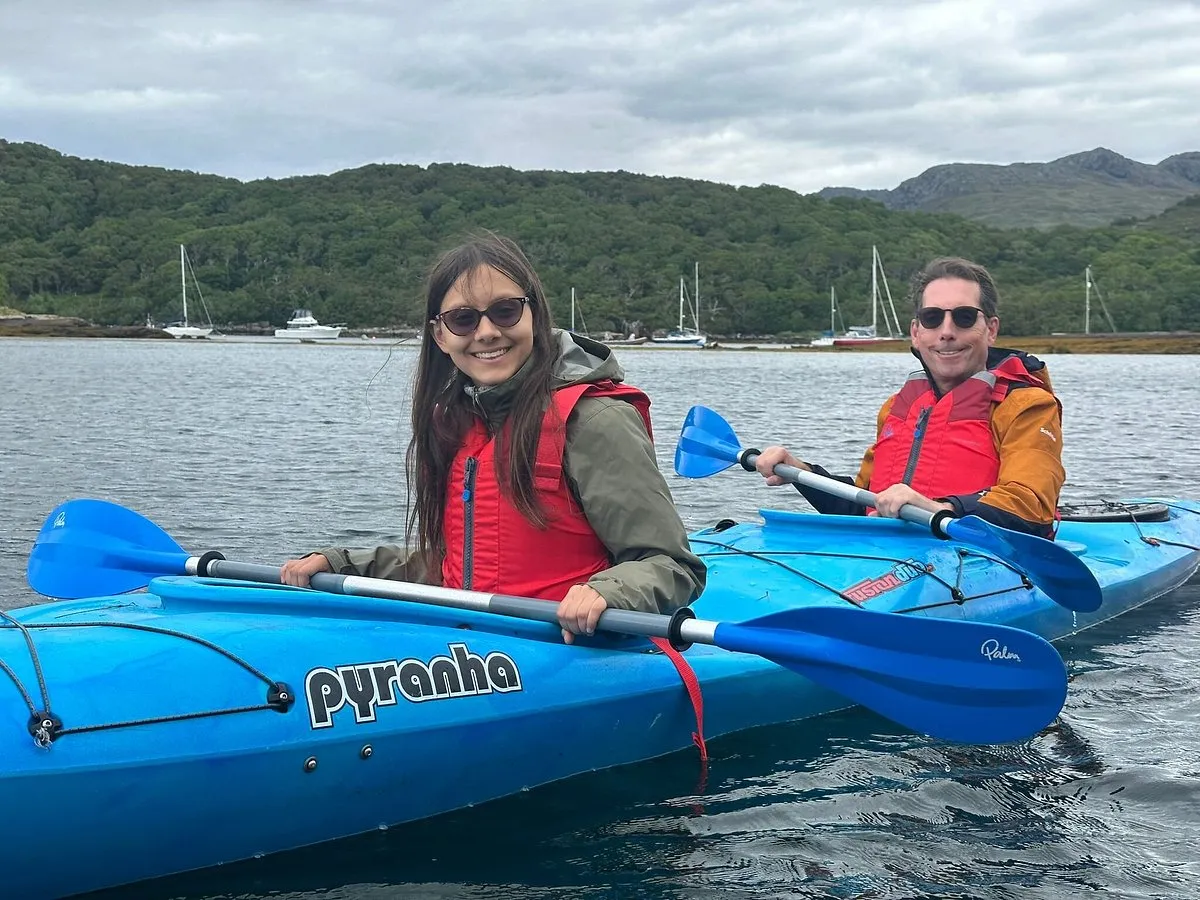
On the return leg toward central Scotland plan a technical and sculptural stop at Falkirk. The Falkirk Wheel is a remarkable piece of engineering that lifts boats 115 feet in a four-minute rotation, connecting the Union Canal and the Forth and Clyde Canal; timed boat trips are available and make for an unusual, family-friendly experience. Nearby, The Kelpies rise to 98 feet tall, the world’s largest equine sculptures celebrating the mythic water horse and symbolic of Scotland’s industrial and equine heritage. Visiting both attractions in a half-day is straightforward, with accessible parking and visitor centres that explain the engineering and artistic stories. For photographers and engineering enthusiasts alike, the combination of the mechanical spectacle of the wheel and the monumental scale of The Kelpies offers a modern contrast to the castled landscapes you’ve seen on earlier days of your 14 day scotland tour.
Practical advice: if you are on a tight schedule you can time a morning Falkirk Wheel boat rotation and then move on to The Kelpies for the afternoon light, or do the reverse to catch late sunlight on the sculptures which is particularly striking. The Falkirk complex has café facilities and short walking trails, making it a comfortable stop for families or those who want a lighter day after the Highlands. From Falkirk you have good road connections south to Edinburgh and north toward Perthshire, so it is an elegant pivot point as you round out your grand tour scotland itinerary.
Visitor Tip
Book a Falkirk Wheel boat ride ahead for peak summer days, as rotations can fill; The Kelpies have extended opening periods and great options for sunset photography.
11. Glencoe, Ben Nevis and Highland Hiking
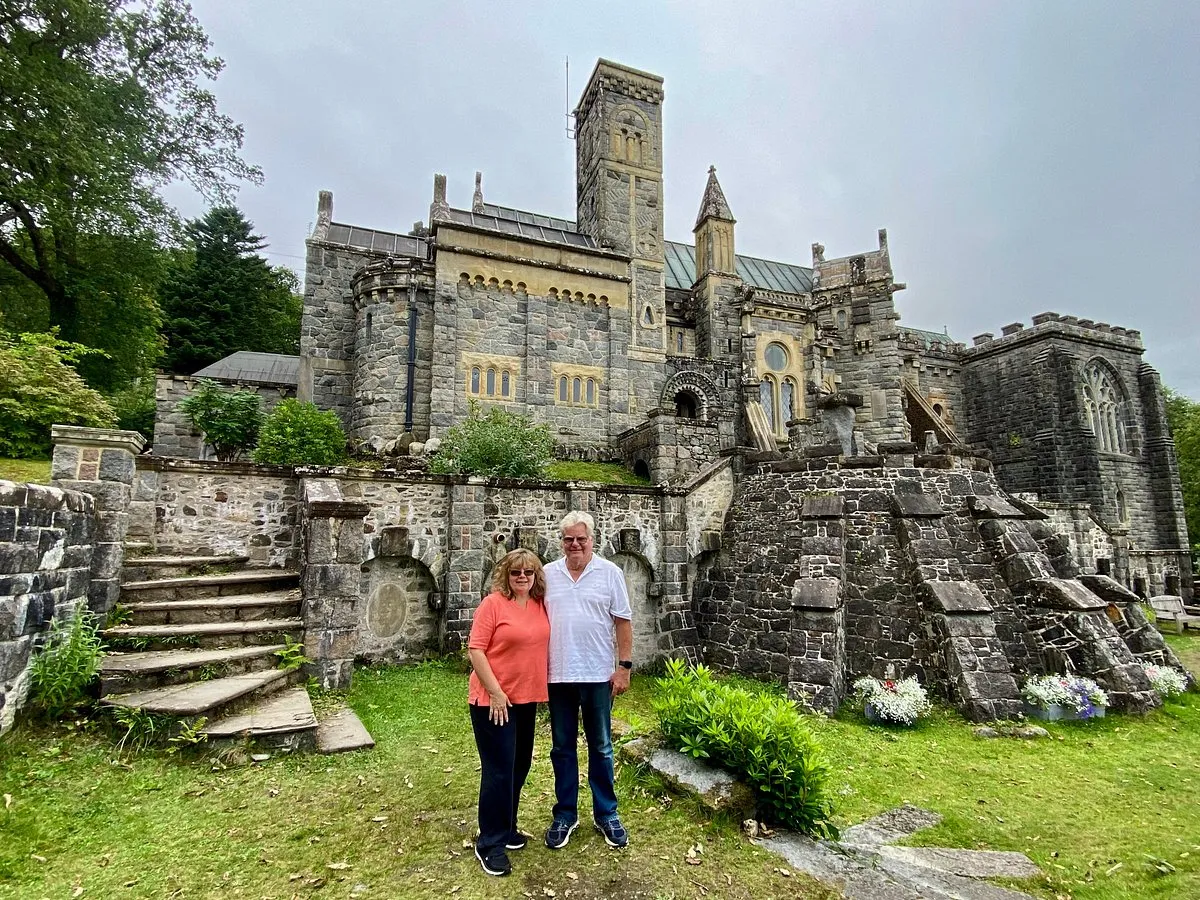
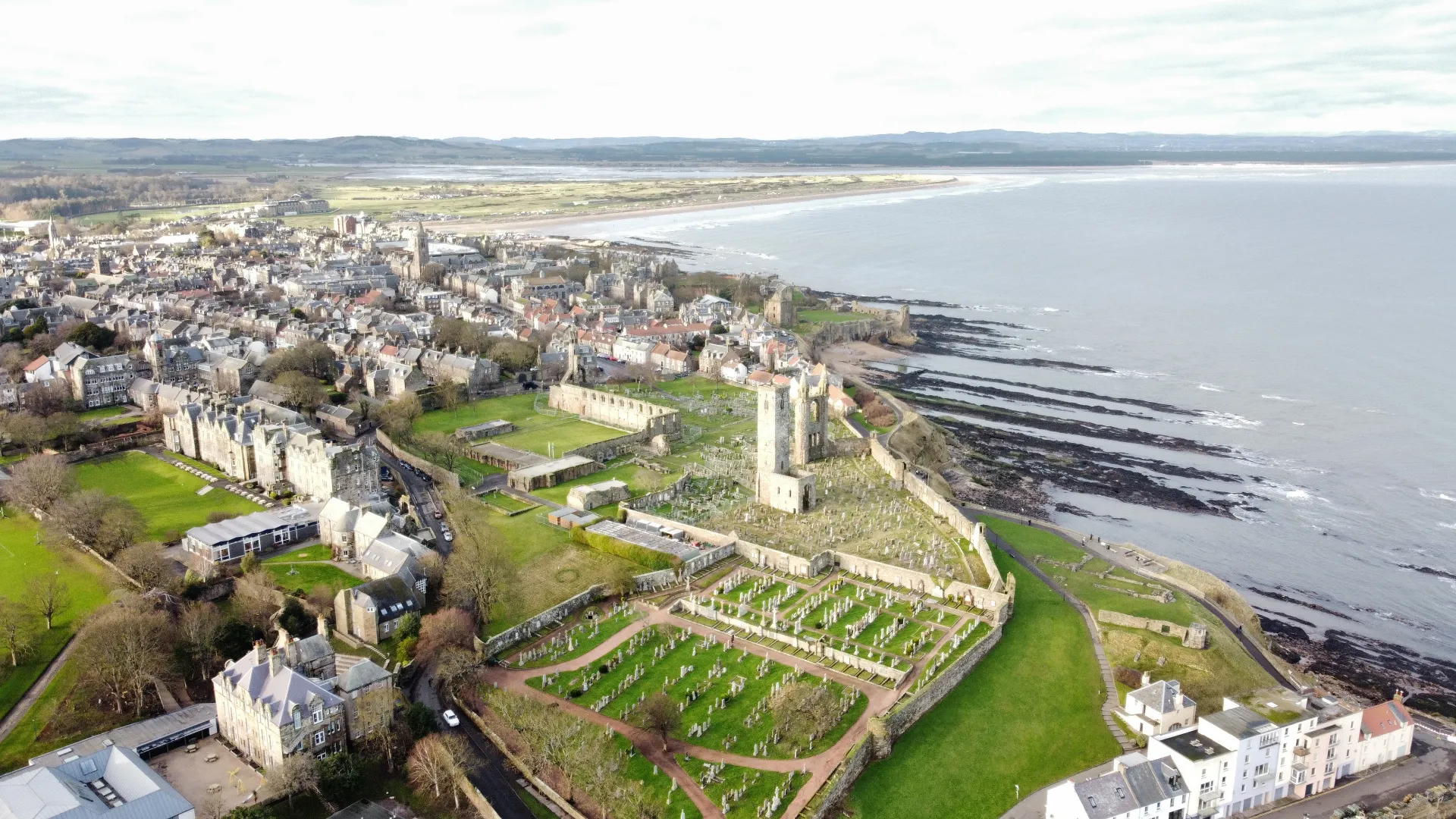
No grand tour scotland is complete without the sombre beauty of Glencoe and, if you have the appetite, a taste of Ben Nevis. Glencoe’s dramatic valley scenery is the backdrop to walking routes of varying difficulty and the site of the 1692 massacre that echoes in Scottish memory; allow at least half a day for scenic viewpoints, the Glencoe Visitor Centre and a short valley walk. Ben Nevis, Britain’s highest peak at 4,413 feet, sits nearby and attracts walkers who plan a full-day ascent and descent; if you want to summit, allocate a whole day with appropriate gear, weather awareness and an early start. For those who prefer gentler options, the Glen Nevis area has shorter looped trails and waterfalls accessible within an hour’s walk. Accommodation in Fort William and nearby villages ranges from family-run inns to hotels geared toward outdoor guests, so you can recover after a long hike with a warming meal and a dram.
Safety and planning: mountain weather changes fast and the Ben Nevis path is steep and rocky in places, so check local mountain services and consider hiring a mountain guide if you have any doubts. If you prefer to stay lower, book a guided wildlife or photography walk in Glencoe to get local insights into geology, flora and fauna without the endurance demands of a summit attempt. Distance-wise, Glencoe lies roughly 25 miles south-west of Fort William, and a day that combines Glenfinnan, Glencoe and Ben Nevis will be ambitious; spread these highlights across two days of your 14 day scotland tour to avoid fatigue and to savour each location properly.
Mountain Safety Essentials
Carry a map, compass and waterproof layers for any highland walk; even summer conditions can bring rain and low cloud, and a route plan filed with your accommodation adds a layer of safety.

12. Whisky, Food and Accommodation: Practical Tips for Two Weeks
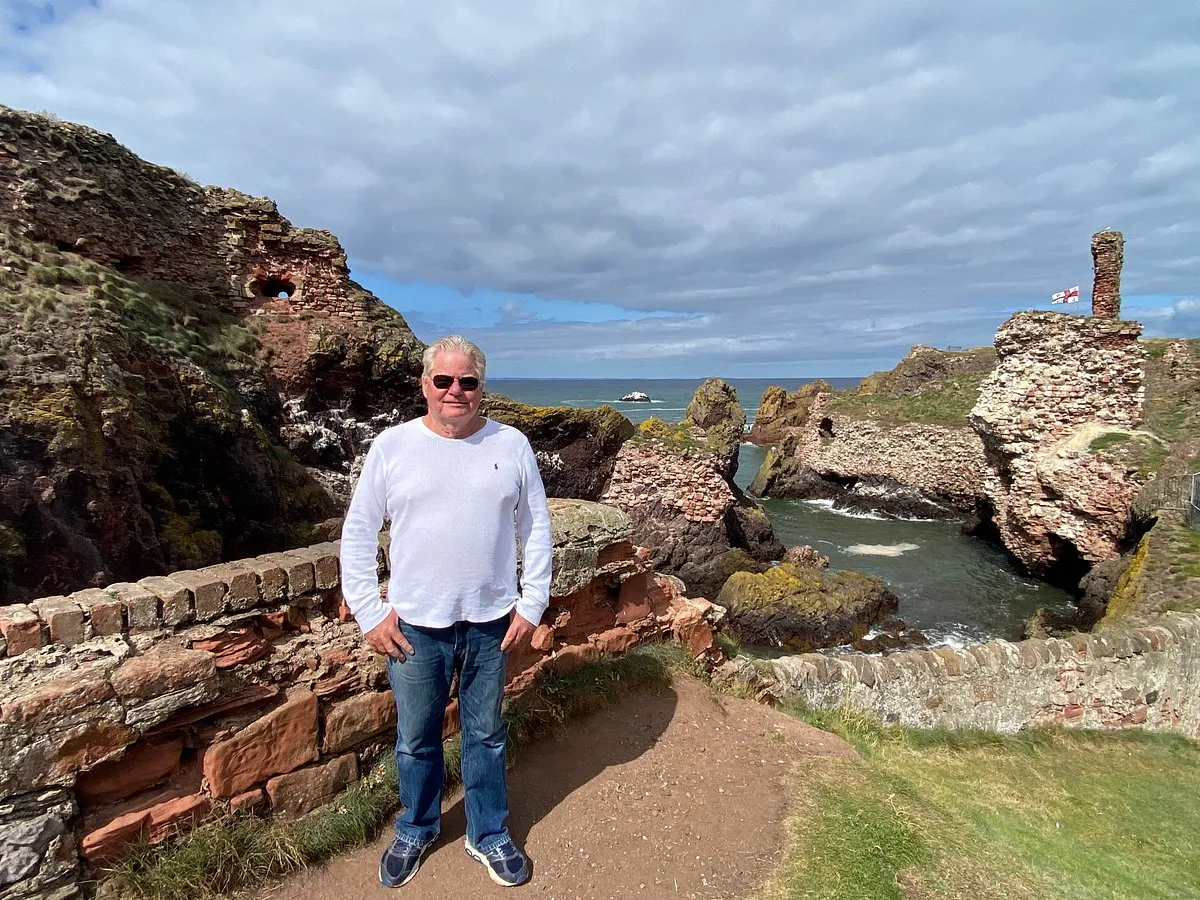
A 14 day scotland tour is as much about food and drink as it is about vistas. Plan whisky visits carefully: many distilleries require advance booking for tours and tastings, and you can tailor your whisky route to regions such as Speyside, Islay or the Highlands depending on your tastes. Along the route, expect a range of accommodation from boutique hotels in Edinburgh and Portree to country house hotels in the Highlands and family-run B and Bs on Orkney, with nightly rates varying widely by season; summer is high season so book early. Dining tip: try a seafood platter on the west coast, sample venison or lamb in Perthshire, and save room for Scottish cheeses and oatcakes as picnic staples during your driving days. If you are touring privately, your guide can reserve tables, book distillery tours and adapt the sequence of stops to suit your pace.
Logistics and budgeting: the overall driving distance on VisitScotland’s classic 14-day itinerary is around 548 miles, which helps you plan fuel and day-by-day mileage. Ferry reservations for islands such as Skye and Orkney should be made early in peak months, and if you plan on flying between Inverness and Orkney check luggage restrictions and flight time windows. For comfort, budget some buffer days for weather delays or unexpected delights; the best trips leave space for a longer whisky tasting, an extra photo stop at a castle or a slow morning in a Highland café.
Packing and Seasonal Notes
Pack layered clothing, waterproof outerwear and comfortable walking boots; Scottish weather is famously changeable and layering keeps you prepared for everything from sunshine to sudden rain.
Sample Day-by-Day Highlights Comparison
| Day Range | Primary Stops | Must-See & Practical Note |
|---|---|---|
| Days 1-2 | Edinburgh | Edinburgh Castle (£19.50), Holyrood Park; pre-book castle tickets |
| Days 3-4 | Stirling, Loch Lomond | Stirling Castle and Bannockburn; boat cruise on Loch Lomond |
| Days 5-6 | Cairngorms, Aviemore | Cairngorms National Park (1,748 sq miles); wildlife and mountain walks |
| Days 7-8 | Inverness & Loch Ness | Loch Ness one-hour cruise with sonar; Urquhart Castle option |
| Days 9-10 | Glenfinnan, Skye | Glenfinnan Viaduct (100 ft, 21 arches); Fairy Pools and Dunvegan on Skye |
| Days 11-12 | Western Highlands, Glencoe | Eilean Donan (rebuilt 1932); Glencoe valley and Ben Nevis option |
| Days 13-14 | Falkirk, Orkney or Return | Falkirk Wheel (115 ft lift in 4 mins), The Kelpies; Orkney ferry 90 mins if included |
Frequently Asked Questions
Can I include Orkney on a 14 day scotland tour without flying?
Yes, you can reach Orkney by driving north to Scrabster and taking the approximately 90-minute vehicle ferry; plan to reserve a vehicle space in advance for summer travel. The ferry crossing is straightforward but check seasonal schedules and book accommodation on Orkney early as the islands fill quickly during peak months. If you prefer to avoid longer drives, there are also flights from Inverness which shorten transit time but require luggage and flight-time planning.
How much driving should I expect each day on this 14 day scotland tour?
The classic 14-day grand tour scotland itinerary totals about 548 miles overall, which averages out to roughly 40 miles per day but in reality you will have some long transit days near 100 miles and some rest days with minimal driving. Plan for a mix of short sightseeing hops and a few longer stretches between regions; allow buffer time for single-track roads, photo stops and ferry boarding.
What is the best time of year to do a complete Scotland private tour?
Late spring to early autumn offers the most reliable weather and extended daylight for a 14 day scotland tour, with July and August being the busiest. For fewer crowds and excellent autumn colours, September is a great choice; winter travel rewards you with dramatic skies and quieter attractions but requires greater flexibility for shorter opening hours and potential weather disruptions.
Ready to Book Your 14 Day Scotland Tour?
If you want a tailor-made, complete scotland private tour that moves at your pace and includes local insights, contact Personal Tours of Scotland. We will plan routes, reserve tickets and craft a trip that matches your interests.
Start Planning with BrianSources
- VisitScotland Ultimate Scotland Itinerary – Overview and driving distance for a classic 14-day Scotland route.
- Lindsays Highland Tours – Glenfinnan Viaduct details – Information about the Glenfinnan Viaduct and Jacobite Steam Train.
- On The Go Tours – Orkney and ferry information – Logistics for island travel including Orkney ferry durations.
- OnTheGoTours Ben Nevis and Highlands – Highlands highlights and mountain information.
Final Thoughts
Two weeks in Scotland unfolds like a living story, each chapter revealing a different mood: royal Edinburgh stonework, battlefields and coronation halls, loch-side quiet, island myths and the thunder of a mountain pass. This 14 day scotland tour stitches together the country’s must-see highlights into a sequence that balances active walking, cultural immersion and downtime. With careful booking of key tickets, sensible pacing through the Highlands and a few flexible days reserved for weather or a late invite to a distillery, you will return home having seen the sweep of Scotland’s landscapes and felt its deep history. Pack your camera, your curiosity and a willingness to slow down when the road asks you to; the country will repay you with stories, flavours and views that linger long after you leave.