
5-Day Coastal Scotland, Fishing Villages and Hidden Harbours
If you crave a salt-air itinerary that stitches together jewel-like harbours, colourful cottages and fresh-from-the-net seafood, a 5 day coastal Scotland adventure will leave you grinning from ear to ear. When you choose Personal Tours of Scotland, every detail is tailored to you. Picture yourself starting in St Andrews, using the town as your base while you follow a 38-mile loop through East Neuk villages such as Crail, Anstruther and Pittenweem, a route that takes roughly 1 hour 17 minutes of driving time and is perfect for a relaxed, private day-trip pace. Along the way you can join sections of the Fife Coastal Path, explore the Scottish Fishing Museum housed in a building dating to 1318, and stand where Robert the Bruce granted Crail mercat rights in 1310. Over five days you can stitch together Aberdeenshire’s single row of whitewashed cottages at Pennan, spot dolphins on ferry crossings to Kilchoan from Tobermory, and use Portree as your gateway to Brother’s Point on Skye, a 1.5 to 2 hour coastal walk. I’ll guide you through a day-by-day plan, travel logistics, practical tips on ferries and walking routes, plus where to find the freshest seafood and the coziest rooms. Read on and picture your boots on pebble beaches and your camera full of sunlit harbours.
Day 1, St Andrews: Your Gateway to the East Neuk
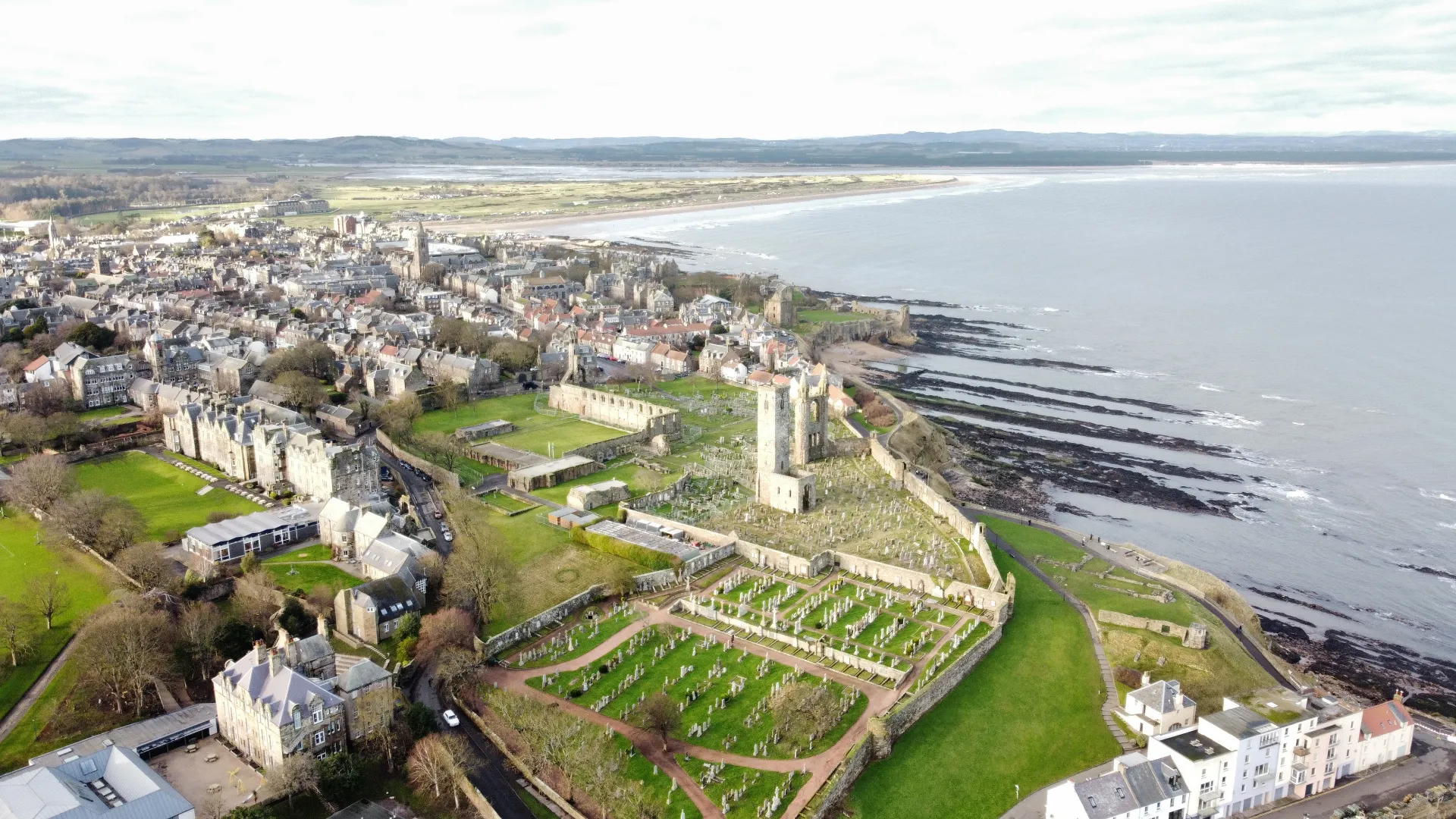
Start your 5 day coastal Scotland itinerary in St Andrews, a compact town with world-class walking options and easy access to the East Neuk. From here you can comfortably complete the 38-mile Fishing Villages Tour loop that visits Crail, Anstruther, Pittenweem, St Monans, Elie and Lower Largo, with about 1 hour 17 minutes of driving time overall, making each stop a relaxed, unhurried experience. St Andrews itself offers cafes, historic streets and a range of accommodation from boutique B and Bs to hotels; staying two nights here makes logistical sense if you want to spend a full day exploring the East Neuk villages on foot and by short drives. If you enjoy coastal walking, pick up a section of the Fife Coastal Path, which runs for over 100 miles around the Fife coast and is easily accessible from the town centre. For practicalities, local parking at the harbour or short-stay bays typically costs between £1.50 and £3.00 per hour in summer months, and most village harbours have short trails that suit light boots or trainers rather than heavy mountain footwear.
Practical start-of-trip tips
Plan Day 1 with an early arrival into St Andrews to maximise daylight, especially in shoulder seasons when sunrise and sunset can be tight; driving from Edinburgh takes approximately 1 hour 30 minutes by car, while from Glasgow allow about 1 hour 45 minutes. Book accommodation with parking included when possible, and bring a waterproof jacket rated for at least 10,000mm if you intend to walk stretches of the Fife Coastal Path. If you prefer to travel light, many small harbours have cafés and fish and chip shops open from around 10:00 to 17:00, and the Scottish Fishing Museum in Anstruther, a short drive away, occupies a building dated to 1318 which gives you a compact historical highlight if you want a museum stop that does not take more than 60 to 90 minutes.
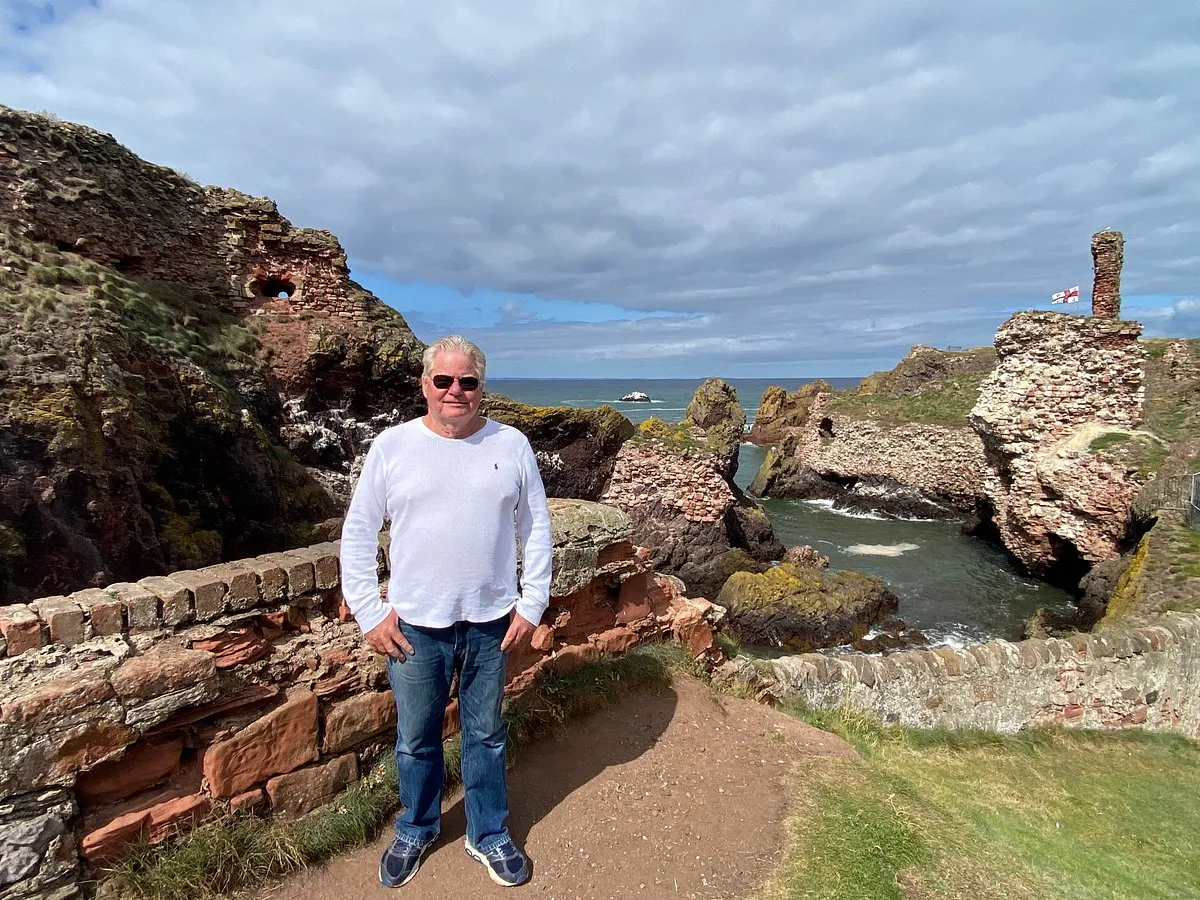

Our experience with Personal Scotland and Brian was outstanding. Brian is exceptionally knowledgeable about Scotland’s history and culture, and his gift for storytelling made every stop along our journey both engaging and memorable.
Alexander M, TripAdvisor
1. Crail, the Ancient Royal Burgh
Crail is a wonderful place to kick off your walking and photographing, it is one of the oldest Royal Burghs in the East Neuk of Fife, with a charter that dates back to the 12th century and a market right granted by Robert the Bruce in 1310. The harbour is intimate and atmospheric, with a Mercat Cross and limestone buildings that catch the light beautifully in late afternoon. For walkers, the Fife Coastal Path runs nearby and you can stitch together coastal viewpoints with village streets; the path section around Crail is easy underfoot and ideal for a 60 to 90 minute amble. If you time your visit for a weekday morning you’re more likely to find a parking place close to the harbour; expect small village car parks to charge seasonal fees, typically from £2 to £5 per day in peak summer. Bring a camera and aim to be on the pier at golden hour, because the slate roofs and whitewashed walls gleam when the sun drops low over the North Sea.
What not to miss in Crail
Don’t miss the Mercat Cross and the narrow wynds that give Crail its medieval character, and pop into a local eaterie for crab sandwiches or smoked haddock; many harbour cafés list seafood platters from around £12 to £20 depending on season and portion size. If you want coastal walking, follow a short section of the Fife Coastal Path eastwards for about 2 kilometres to reach quieter coves and viewpoints. Keep in mind that tide times affect pebble and rock access; consult a tide table if you plan to explore foreshore rock pools, and pack sturdy slip-resistant footwear for safety on seaweed-covered rocks.
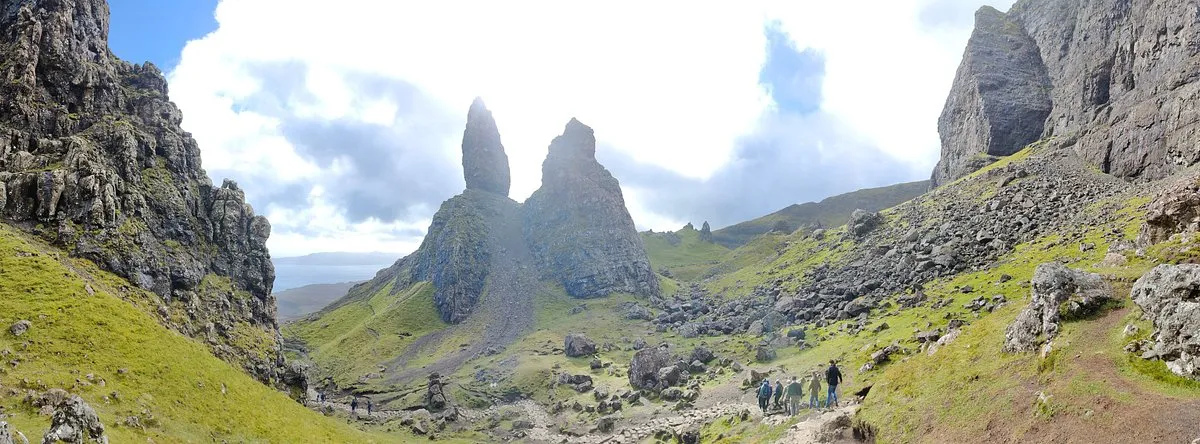

Use St Andrews or Portree as multi-night bases to avoid packing and unpacking; both provide easy day-trip access to nearby fishing villages and coastal walks.
2. Anstruther, the Scottish Fishing Museum and Harbour
Anstruther is a natural follow-on from Crail and is home to the Scottish Fishing Museum, located in St Ayles Land, a building that dates to 1318 and is one of the oldest surviving properties in any Scottish burgh. The museum offers compact displays that illustrate herring boom days, creel boats, and local sea lore; plan for 60 to 90 minutes here and bring cash if you want a small donation or a guide booklet. The harbourfront has cafés and award-winning fish and chips, where a generous portion often ranges from £7.50 to £12 depending on whether you add a side or a soft drink. If you have time, a short harbour cruise or seal-spotting trip from Anstruther is frequently available in summer months; typical short boat trips in the Forth area last around 1.5 hours and many operators run loops that include views under the Forth Rail Bridge to Inchcolm Island. Anstruther gives you both history and a working harbour atmosphere in one easy stop on your 5 day coastal Scotland route.
Museum practicalities and tips
Allow roughly 90 minutes for the Scottish Fishing Museum to absorb the displays and audio-visual exhibits, and arrive before midday if you prefer quieter galleries. There are often interpretive panels that mention traditional boat types and local names, and you can combine the museum visit with a short walk along Anstruther’s promenade to the adjoining piers. If you plan a harbour cruise, book slots in advance during July and August when operators report busiest schedules, and carry a windproof layer; even calm days on the Forth can feel fresh on the water.
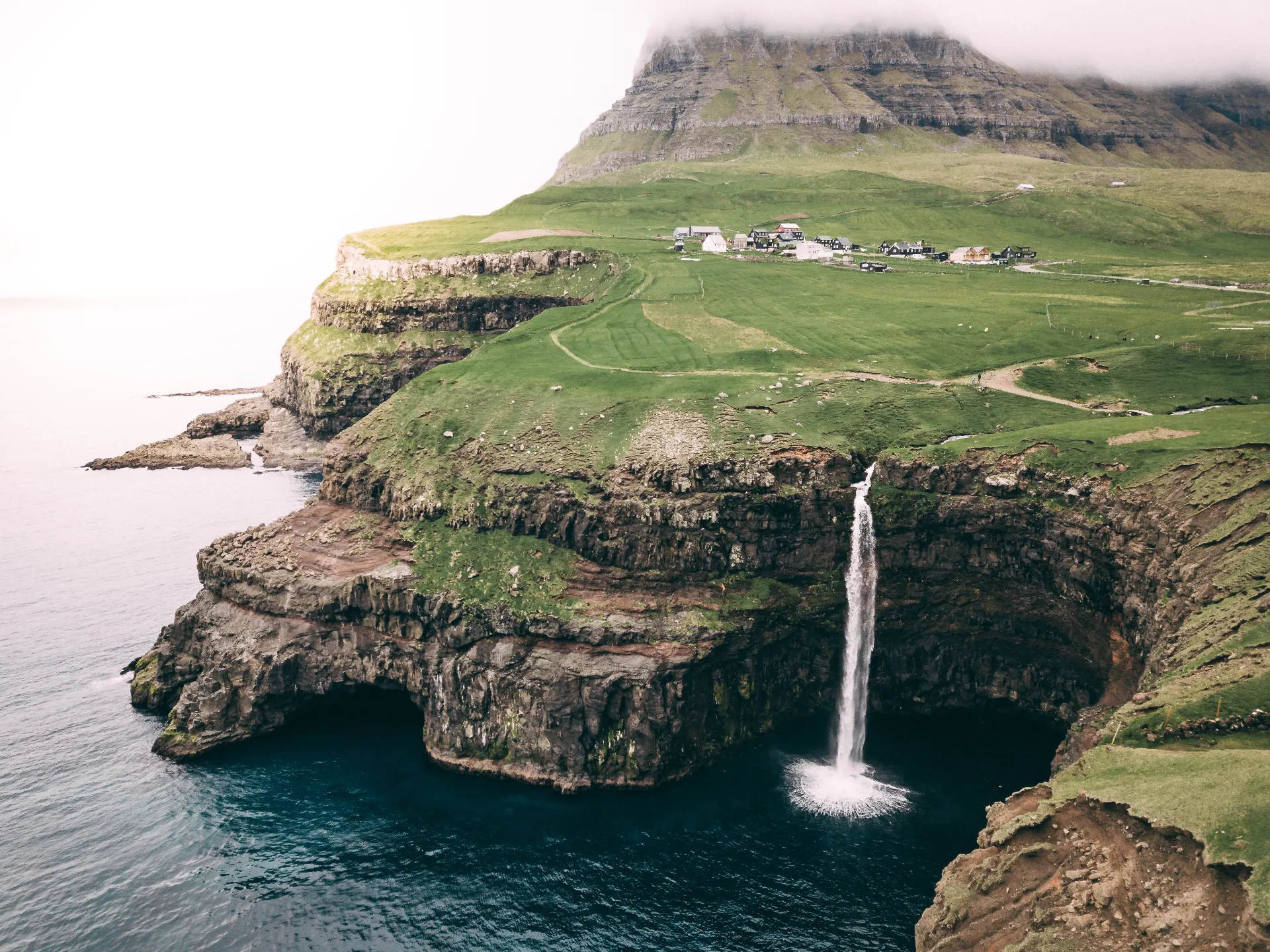

We booked four nights and five days with a private guide and fully enjoyed our time. Brian’s team handled almost everything for us, including booking our accommodations, admission to many sites, ferry fees, etc. All the logistics of the trip were handled professionally and without error.
Mark H, TripAdvisor
3. Pittenweem, St Fillan’s Cave and Pilgrim Traditions
Pittenweem charms with a circular harbour and ancient spiritual roots; its name comes from Celtic words meaning ‘town of the cave’, reflecting St Fillan’s 7th century cave where a Saints Well and altar remain sites of pilgrimage. The compact harbour is ideal for a 30 to 60 minute potter around narrow lanes and artists’ studios, many of which participate in the annual arts festival each August with workshops and exhibitions. If you are mapping out walking segments, the coastal route westwards connects to St Monans in under 3 kilometres, making it easy to chain visits on foot or with a short drive. For practicalities, local cafés open from around 09:00 and many close mid-afternoon in winter, so plan your timing if you want to eat locally; a light lunch of soup, bread and a coffee will often cost between £8 and £14. Pittenweem rewards a slower pace-pause by the old pier, listen for gull calls, and look for the small shrine by the cave if tidal access allows.
Historical notes for curious visitors
If you enjoy historical stories, note that Pittenweem’s religious associations stretch back to the early medieval period, and the Saints Well beside St Fillan’s cave is still visited by those intrigued by pilgrimage traditions. Photography is best mid-morning or late afternoon when light skims the harbour walls; tide tables will tell you when the foreshore reveals rock pools and intertidal life, useful if you plan a short exploration. Local artists often open studios from 11:00 to 17:00 in high season, so bring cash for small prints or ceramics.


Ferry sailings to islands such as Mull and the Outer Hebrides fill quickly in July and August; reserve vehicle space weeks in advance for peace of mind.
4. St Monans and Elie, Ruby Bay and Broad Harbours
St Monans is a compact, picturesque harbour that sits mid-way along the East Neuk chain; it offers a short, atmospheric stop of 30 to 45 minutes where you can see traditional harbour architecture and a small local church with coastal views. A short drive east brings you to Elie, whose harbour stretches in both directions along Ruby Bay, one of Fife’s widest and prettiest coastal stretches, ideal for beach walking and longer sections of the Fife Coastal Path. Ruby Bay’s sands and pebbles invite a 60 to 90 minute shoreline walk; in summer you may see families swimming or paddleboarding, with seasonal lifeguard cover at selected beaches. If you are timing visits, many small cafés around Elie and Earlsferry open from 09:00 and serve breakfast or early lunch; a seafood platter in a mid-range harbour restaurant will usually be priced between £18 and £30 depending on market catch and portion. Both St Monans and Elie sit well within the 38-mile loop from St Andrews, so you can comfortably include them on a single day with time to spare for relaxed exploration.
Walking the Fife Coastal Path here
Take a leg of the Fife Coastal Path between St Monans and Elie if you want a slightly longer walk; sections here are well marked and generally firm underfoot, suitable for trainers or walking shoes rather than heavy boots. Allow 60 to 120 minutes depending on your pace and photo stops. Bring a small change of currency for café coffee and local ice cream cones which commonly cost between £2.50 and £4.50.


5. Lower Largo and the East Neuk’s Finale
Lower Largo is the eastern end-point on the classic East Neuk loop before you return inland to St Andrews, and it offers quiet streets, a small harbour and easy access back to larger roads for onward travel. The village makes a calm finale to a day of harbour-hopping, and if you are sampling local seafood it is a good place for a concluding coffee with a sea view; small cafés commonly price hot drinks from £2.50 to £4.00. From Lower Largo it’s approximately a 20 to 30 minute drive back to St Andrews depending on traffic, allowing you to be back by early evening for dinner. Lower Largo is also noted as the birthplace of Alexander Selkirk who inspired Robinson Crusoe, an intriguing historical footnote for literature-minded travellers. If you have energy left, an evening stroll on a nearby coastal path segment at sunset is low-effort and highly rewarding for photographers.
End-of-day planning
Wrap up your East Neuk day with a plan for parking and refreshments; many village car parks charge a modest daily fee in peak season and cafés close earlier in winter. If you prefer a private guide to handle logistics, an organised 5 day coastal Scotland private tour can arrange parking, local admissions and ferry bookings in advance, reducing time spent at payment points and queues.


Bring a waterproof jacket, warm mid-layer, slip-resistant shoes and binoculars for wildlife spotting; tide tables are useful for foreshore exploration.
Pennan, Aberdeenshire: Whitewashed Cottages and Local Hero Fame
Pennan sits on the Aberdeenshire coast with a single row of whitewashed cottages hugging a small attractive harbour, a scene made famous by the 1982 film Local Hero. The village offers brilliant photography opportunities, and on calm days you may see dolphin pods from the shoreline or harbour wall; these playful cetaceans are often visible during crossings and close to headlands. Pennan is quieter than many other stops, so allow 45 to 90 minutes for gentle exploration, and bring waterproof footwear if you plan to walk the slightly rockier foreshore. Nearby parking is limited and often on-street, so visit early in the day to secure a spot. If you are travelling northwards along the coast as part of a longer Scotland itinerary, Pennan makes an atmospheric pause with easy access to neighbouring coastal routes and cafes open mainly during summer months.
How to spot dolphins and marine life
Dolphin sightings are unpredictable but more common around headlands and during calm sea conditions, so bring binoculars and a camera with a telephoto lens if you have one; a 200mm to 300mm lens performs well for shoreline pods. Local boat operators sometimes run wildlife trips from larger nearby harbours during May to September, and these runs typically last from 1.5 to 3 hours depending on the route and operator.

Tobermory on Mull, Colourful Harbour and Ferry Connections
Tobermory is one of Scotland’s most celebrated harbour towns, notable for its painted waterfront and vibrant quay; it appears on many must-visit lists as a seaside highlight. The harbourfront is compact and lively, with shops, eateries and a distillery; allow 90 to 120 minutes to wander the main street, visit a local cafe and photograph the row of colourful cottages. Tobermory also operates ferry connections across to Kilchoan on the Ardnamurchan peninsula, and during these crossings you often see playful dolphin pods; crossings vary by season and typically take roughly 35 to 60 minutes depending on vessel and tides. If Mull is on your 5 day coastal Scotland route, Tobermory is a natural overnight or multi-hour stop that pairs well with coastal walks and wildlife boat trips; combine it with a day of island roads and be prepared for single-track driving with passing places, where average driving speeds are controlled by terrain rather than distance.
Tobermory practicalities
If you plan to catch the Tobermory to Kilchoan ferry, check sailings in advance and allow at least 45 minutes buffer for embarkation and disembarkation; crossings can bring dolphins and seabirds close to the vessel, so keep cameras ready. Tobermory’s harbour cafés typically open from 09:00 with packed summer timetables for boat trips; if you want to visit the Tobermory distillery, pre-booking tours is recommended in high season to secure a place on scheduled tastings.
Portree on Skye, Gateway to Brother’s Point
Portree is the main hub on the Isle of Skye and an excellent base for coastal walks such as Brother’s Point, which typically takes 1.5 to 2 hours for the round trip. The harbour in Portree is naturally sheltered and lined with colourful buildings, offering cafés, pubs and small shops open throughout the day; a pub meal usually costs between £12 and £22 depending on mains and whether you add a drink. Use Portree as your jumping-off point for coastal exploration, and factor in extra time for single-track roads and passing places on Skye which slow average journey speeds; distances that look short on a map can take longer due to road width and scenic stops. If you plan to hike Brother’s Point, wear waterproof trousers and sturdy footwear; even short coastal walks on Skye can feature muddy patches and exposed sections that feel raw on windy days.
Making the most of Portree
Reserve accommodation in Portree well ahead of high season, since the town is a popular base for both walkers and island-hoppers; small hotels and guesthouses often list midweek double rooms from about £80 to £150 depending on season. For practical transport, check local bus timetables if you are not driving; rental cars remain the most flexible option for reaching Brother’s Point and other remote Skye coastal spots.


Ullapool and Loch Broom, Fresh Seafood and Ferry Links
Ullapool sits at the head of Loch Broom and is a vital ferry and seafood town in the Highlands; it operates sailings to the Outer Hebrides and acts as a gateway for island connections. The harbour town has seafood restaurants and fishmongers where fresh catch is available daily; a main course of local cod or langoustine in a mid-range restaurant typically costs between £16 and £28. Ardmair Beach lies roughly 15 minutes drive north of Ullapool and offers a fine coastal stop if you have time for a short detour; combine a harbour stroll with a quick visit northwards to Ardmair for contrasting pebble beaches. If your 5 day coastal Scotland plan includes catching a ferry to the Outer Hebrides, Ullapool is the practical embarkation point and its facilities include parking and ticket offices that open in the mornings to handle high-season demand. For seafood lovers, Ullapool is a key Highland stop on a coastal route.
Ferry planning from Ullapool
When booking ferries from Ullapool to Stornoway or other Western Isles destinations, book early in July and August to secure space for a vehicle, and allow two hours for check-in and boarding in busy periods. Local ticket offices often open from 07:30, and ferries vary in length depending on destination; plan onward transport times carefully if you have connecting services to catch on the islands.

Lochinver and the North Coast 500 Experience
Lochinver is one of the standout fishing villages on the North Coast 500, offering fine seafood and access to dramatic coastal landscape; it is a popular stop for those driving the 516-mile North Coast 500 route around the Highlands. In Lochinver you’ll find restaurants serving freshly caught seafood where main dishes often range from £15 to £28, and small local shops selling smoked fish and other provisions. The village pairs well with short coastal walks and rocky headlands that feel very much part of the wild, wind-swept Highland coastline. If you are including Lochinver as part of your wider coastal exploration, allow 60 to 120 minutes for lunch and a stretch of the legs; many travellers combine Lochinver with nearby beaches and viewpoints on the same day for a varied coastal itinerary.
NC500 tips for Lochinver visitors
If you are driving the North Coast 500, remember that many attractions are open seasonally and small village cafés may close on Sundays in shoulder months; plan fuel stops carefully as petrol stations can be spaced widely. Book popular accommodations in Lochinver early, as the village fills quickly in summer along with North Coast 500 traffic.


Practical Logistics for a 5 Day Coastal Scotland Trip
You can structure your 5 day coastal Scotland trip to mix slow harbour time with short drives; the East Neuk Fishing Villages Tour is a perfect half-day loop from St Andrews that covers 38 miles and about 1 hour 17 minutes of driving, giving you time for multiple village stops without rushing. Ferries are a vital part of coastal travel-Tobermory to Kilchoan crossings can reveal dolphin pods during the journey, and Ullapool offers sailings to the Outer Hebrides; always check timetables for seasonal changes and book vehicle space in high season. For walks, Brother’s Point on Skye is 1.5 to 2 hours round trip and a great half-day activity from Portree. Budget-wise, plan for local meal prices from £7.50 for a classic fish and chips to £30 for more elaborate seafood platters, and ferry fares vary significantly by route and vehicle size so obtain quotes in advance. If you would rather avoid managing bookings, a private, fishing villages private tour option will handle accommodations, admissions and ferries for you, leaving you to enjoy harbours, tides and views.
Packing list and safety notes
Pack a waterproof jacket rated for short mountain or coastal use, a warm mid-layer, and slip-resistant footwear for harbour walls and rock pools; bring binoculars for dolphin and seabird spotting and a refillable water bottle to reduce single-use plastics. Tides and weather influence coastal accessibility, so consult local tide tables and check the Met Office forecast for wind warnings before longer walks or boat trips.

How to Travel: Driving, Ferries and Private Tours
Driving gives you maximum flexibility for a 5 day coastal Scotland route; allow extra time for single-track roads on islands and the Highlands, and remember that average driving speeds often fall below 40 mph because of passing places and scenic stops. Ferry travel is integral to island itineraries-Tobermory to Kilchoan runs seasonally and may reveal dolphins, while Ullapool handles several sailings to the Outer Hebrides; always check the operating company’s latest timetable, and book vehicle ferry spaces early in July and August when demand is highest. If you prefer to remove the logistical stress, choose a fishing villages private tour where the guide handles ferry bookings, parking and admissions; customers often comment on the convenience of having a private guide manage details, freeing up time to savour harbours and walks. Bring your driving licence, insurance documentation for rentals, and an E-Toll or local currency for small village car parks commonly charging a few pounds per day.
Costs and timing to factor in
Factor in fuel and ferry costs early when budgeting: fuel in Scotland can be pricier in remote areas, and ferry fares will vary by vehicle size and season. Allow buffer time for ferries, and if you are on a strict timetable aim for earlier sailings to reduce the risk of delays cascading through subsequent travel days.

Where to Eat: Fresh Seafood and Harbour Cafés
Seafood is the soul of coastal visits, and on this 5 day coastal Scotland plan you’ll encounter everything from humble fish and chips to elegant langoustine dishes; expect classic fish and chips to cost from £7.50 to £12, pub mains from £12 to £22, and seafood platters from £18 to £30 depending on catch and portion size. Many harbourside cafés and fishmongers display their day’s catch, and buying directly from a harbour vendor can be a treat; ask staff what was landed that morning and the recommended preparation. Market days and seasonal festivals occasionally coincide with your visit-if you are here in late summer, check local village noticeboards or tourism websites for special events, artisan markets and seafood celebrations. For a truly easy experience, let a private guide arrange reservations at reliable harbour restaurants, particularly for evening dining in high season when small venues can be fully booked.
Dietary and reservation tips
If you have dietary requirements such as shellfish allergies, let staff know immediately and ask about cross-contamination, because many small kitchens handle seafood daily. Book evening meals in popular ports early, and consider lunchtime harbour cafés for fresher day-catch menus when reservations are less common.

Quick Comparison of Key Coastal Stops
| Village | Key Attraction or Note | Typical Visit Time |
|---|---|---|
| Crail | 12th century Royal Burgh; Mercat Cross and harbour | 45 to 90 minutes |
| Anstruther | Scottish Fishing Museum in St Ayles Land building (dating to 1318); harbour and fish and chips | 60 to 90 minutes |
| Pittenweem | St Fillan’s 7th century cave and circular harbour | 30 to 60 minutes |
| Elie | Ruby Bay; wide coastal stretch; Fife Coastal Path access | 60 to 90 minutes |
| Pennan | Single row of whitewashed cottages; Local Hero film location; dolphin spotting | 45 to 90 minutes |
| Tobermory (Mull) | Colourful harbour; ferry to Kilchoan with dolphin sightings | 90 to 120 minutes |
| Portree (Skye) | Gateway to Brother’s Point walk (1.5 to 2 hours) | 2 to 4 hours |
| Ullapool | Loch Broom harbour; ferries to Outer Hebrides; seafood hub | 60 to 120 minutes |
| Lochinver | North Coast 500 fishing village, fresh seafood dining | 60 to 120 minutes |
Frequently Asked Questions
Is a 5 day coastal Scotland itinerary suitable for families with children?
Yes, a 5 day coastal Scotland itinerary can be very family-friendly if you plan shorter drives and pick villages with gentle shorelines and safe harbour promenades. Choose St Andrews as a base for East Neuk days where beaches and short coastal paths are accessible, and schedule wildlife boat trips from Tobermory or Ullapool that cater to family groups. Prioritise daytime activities, pack warm layers for kids, and book family rooms in advance; small village cafés often welcome children and provide simple dishes from around £6 to £12, keeping meals affordable and easy.
How should I book ferries for island hops during my trip?
Book well in advance for summer travel, especially if you plan to take a vehicle, as spaces can sell out weeks ahead. Check the operating companies’ timetables for seasonal updates and reserve specific sailings; for overnight stays on islands such as Mull or Skye, align your ferry times with accommodation check-in times. Allow for at least 45 minutes buffer either side of ferry crossings to manage check-in and boarding, and carry printed or digital tickets plus ID for vehicle drivers.
Can I do this 5 day coastal Scotland route without driving?
You can, but it takes more planning. Public buses serve many coastal towns but schedules are often less frequent and do not link every small harbour directly. Ferries connect islands and some mainland ports, yet to reach tiny villages like Pennan or Crail you’d need a combination of buses, taxis and potentially local tour operators. For maximum freedom and to cover the highlights in five days, renting a car or booking a private fishing villages private tour is the most time-efficient option.
Ready to plan your 5 day coastal Scotland adventure?
Let Personal Tours of Scotland tailor a private itinerary for you, from East Neuk harbours to island ferries and wildlife watching. We handle logistics and local bookings so you can simply enjoy the coast.
Enquire about a private coastal tourSources
- Fishing Villages Tour details – Information on the 38-mile East Neuk loop and individual village highlights
- Fife Coastal Path – Overview and practical details for walking the Fife Coastal Path
- Brother’s Point walk on Skye – Notes on coastal walks around Portree, including Brother’s Point
- Forth and Loch boat trips – Details of local boat trip durations and cruising options on Lochs and Forth
Final Thoughts
A 5 day coastal Scotland route stitches together long, luminous harbours, ancient streets and the freshest seafood, offering you a joyful mix of easy walks, ferry crossings and guiding stories. From the medieval charm of Crail and Anstruther’s 1318 museum walls to Pennan’s single row of whitewashed cottages and Tobermory’s colourful quay, each stop rewards slow exploration, good boots and a willingness to stop for coffee and conversation. Whether you self-drive or choose a fishing villages private tour to handle ferries and bookings, this kind of tactile coastal itinerary leaves you with photograph-ready memories and a real taste for Scotland’s sea-swept life.