
4-Day Loch Ness, Glencoe & Isle of Mull Tour: A West Coast Scotland Adventure
If you have four days to spare and a hunger for mountains, islands and stories that began a thousand years ago, this 4 day Mull tour hands you an unforgettable Highland passport. You will leave Edinburgh at 08:45 from Gate J or Gate K at St Andrew Square, with check-in closing at 08:30, and travel west through landscapes that shift from lowland farmland to glens of dramatic geology. On Day 1 you will feel the sombre grandeur of Glencoe beneath the Three Sisters peaks, a place shaped by events in 1692. By Day 2 you will be arriving on the Isle of Mull, making Tobermory your base for three nights with its painted harbour houses and a friendly distillery offering tastings. On Day 3 you can cross to Iona, standing in the shadow of Iona Abbey founded by St Columba in 563 AD, or join an optional boat to Staffa to see Fingal’s Cave with its hexagonal basalt columns. The tour closes with a ferry from Craignure to Oban of about 45 minutes, giving you time to savour sea air, standing stones and castle ramparts on the return to the mainland. If you want a private island tour or a group adventure along Scotland’s west coast, this itinerary blends highland history, whisky, wild beaches and islands into four very full days, and I will walk you through exactly what to expect, where to linger and how to make the most of each moment.
1. Leaving Edinburgh, pick-up and the first stretch west
Your 4 day Mull tour commonly begins in Edinburgh, with departure at 08:45 from Gate J or Gate K at St Andrew Square, Edinburgh, EH1 3DQ; arrive by 08:30 to check in. This early start means you will gain daylight across the Lowlands and into the Highlands, allowing time for meaningful stops en route. The drive west typically threads past Loch Lomond and through the dramatic approaches to Rannoch Moor, terrain that previews the grandeur to come. Along the way your guide will offer context on clan territories and transport logistics; if you prefer private island tour options this is where bespoke timing and pickup arrangements get set. Expect clear practical notes about rest breaks, approximate distances between stops, and suggestions for footwear and layers. If you want a more leisurely start, consider arranging a private departure from central Edinburgh; Personal Tours of Scotland can tailor the schedule so you can depart a little later and still arrive on Mull with time to explore Tobermory Harbour.
Practical tip: keep a hard copy or screenshot of your pick-up time and location, as central Edinburgh can be busy. If you are joining a small-group tour from Edinburgh you will find that an early start rewards you with sunlight over the peaks later in the day, ideal for photos and a calm crossing on the Craignure to Oban ferry at the tour’s conclusion; the Craignure-Oban crossing itself usually takes about 45 minutes, a tidy, scenic finale to your island time.
Getting to St Andrew Square
St Andrew Square is well served by tram and bus links across Edinburgh; if you are staying in the Old Town or New Town a 10 to 20 minute taxi or tram ride will get you there comfortably before the 08:30 check-in. Leave room in your bag for a waterproof layer and a camera with spare batteries; the weather can change fast once you climb into the Highlands. If you plan to join as a private group, your pickup location can be adapted to suit your accommodation, which is useful when you are travelling with family or larger luggage.

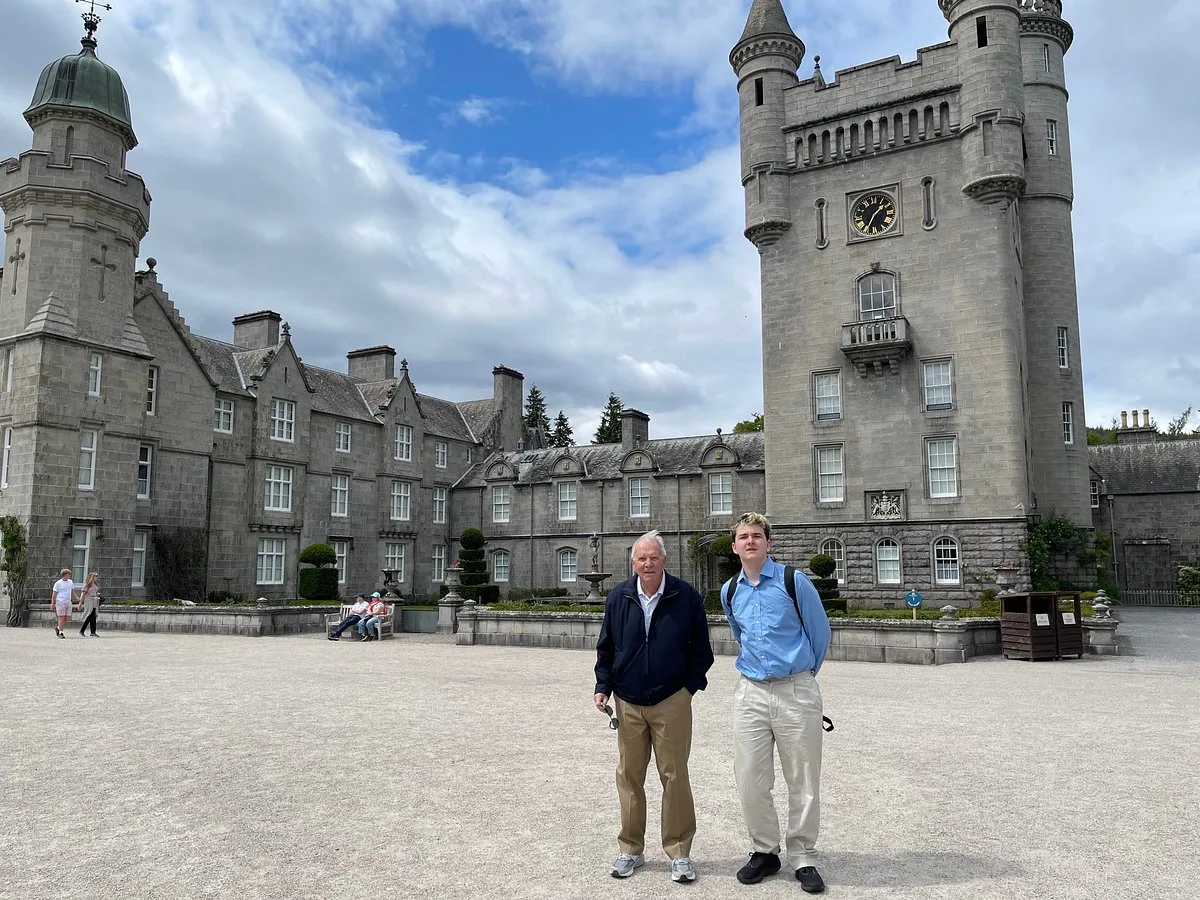
Our experience with Personal Scotland and Brian was outstanding. Brian is exceptionally knowledgeable about Scotland’s history and culture, and his gift for storytelling made every stop along our journey both engaging and memorable.
Alexander M, TripAdvisor
2. Glencoe and the Three Sisters, a day of dramatic history
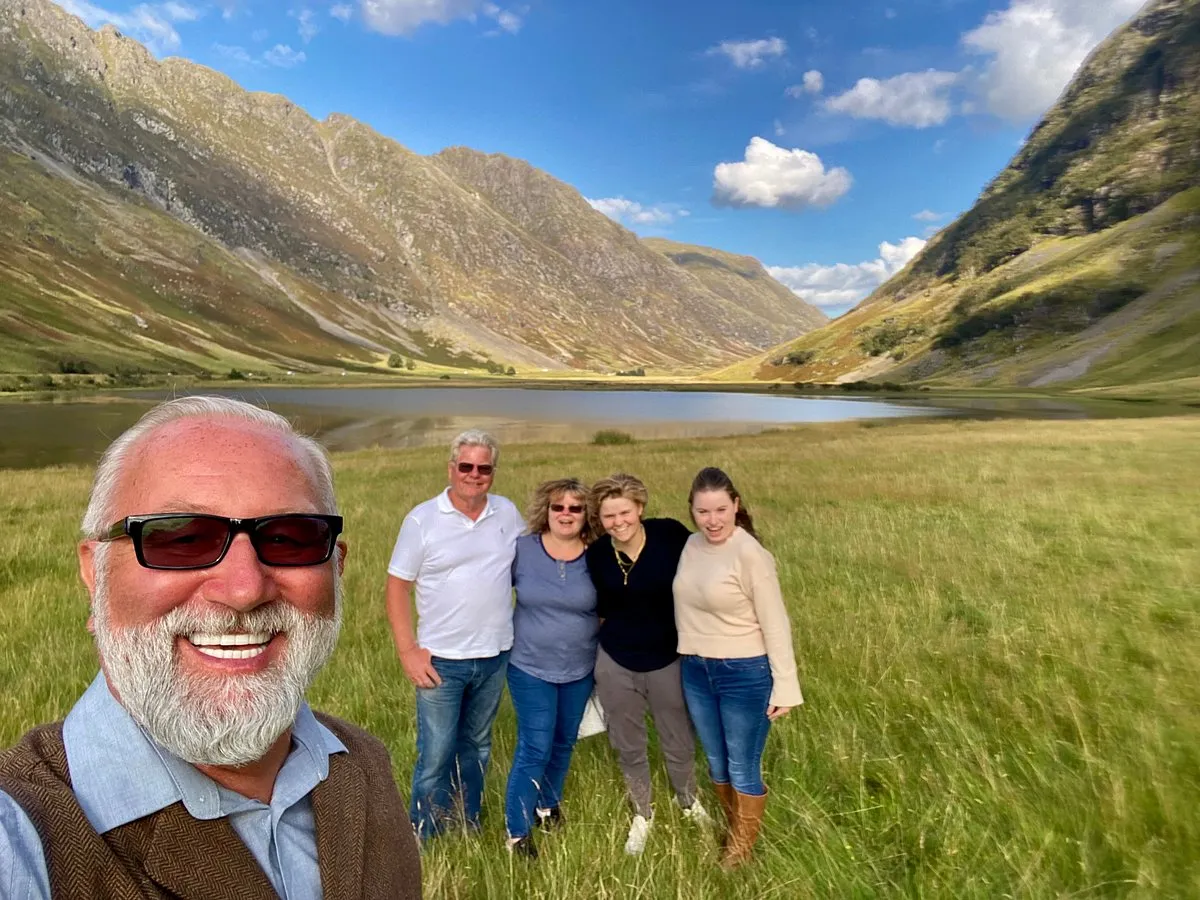
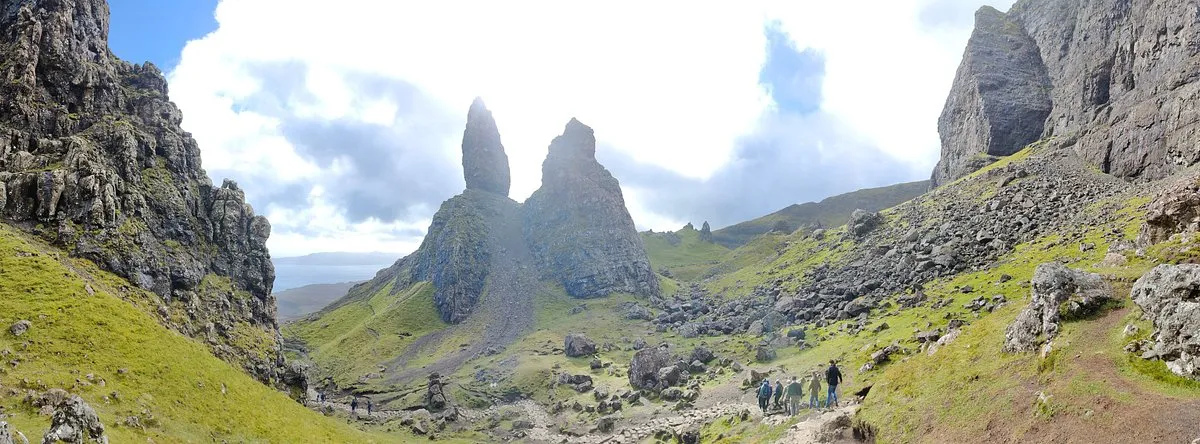
Glencoe is one of Scotland’s most emotional landscapes, where the narrow valley channels weather and memory in equal measure; you will look up at the barren slopes of the Three Sisters and understand why artists and poets have returned for centuries. The glen is also the site of the 1692 massacre of Clan MacDonald, a historical event your guide will explain with dates and clan context so you can appreciate the place beyond postcard views. Walking here is straightforward if you stick to established paths; allow an hour or two at a viewpoint to take in the cairns and information boards that detail the 1692 events. The geology here is compelling too, from steep corries to rocky riverbeds that have carved the valley. If you keep your eyes open you may spot red deer on the slopes or peregrines above the cliffs.
Practical details: Glencoe is reachable within a few hours’ drive from Edinburgh on this itinerary, with several pull-ins for photos and short walks. Good footwear and a windproof layer are essential; the weather on Rannoch Moor and around Glencoe can change fast. If you want to linger at particular sites for photography, request an extra stop when you book your private island tour to allow one or two additional minutes at the best viewpoints.
Understanding the landscape
The Three Sisters are three adjacent ridges on the north side of the glen and make a dramatic silhouette at dawn and dusk; aim for soft light to capture their scale. Local guides will often point out how glacial action created the precipitous slopes and deep valleys, and how human history has been layered upon that foundation from clan settlements to modern shepherding.

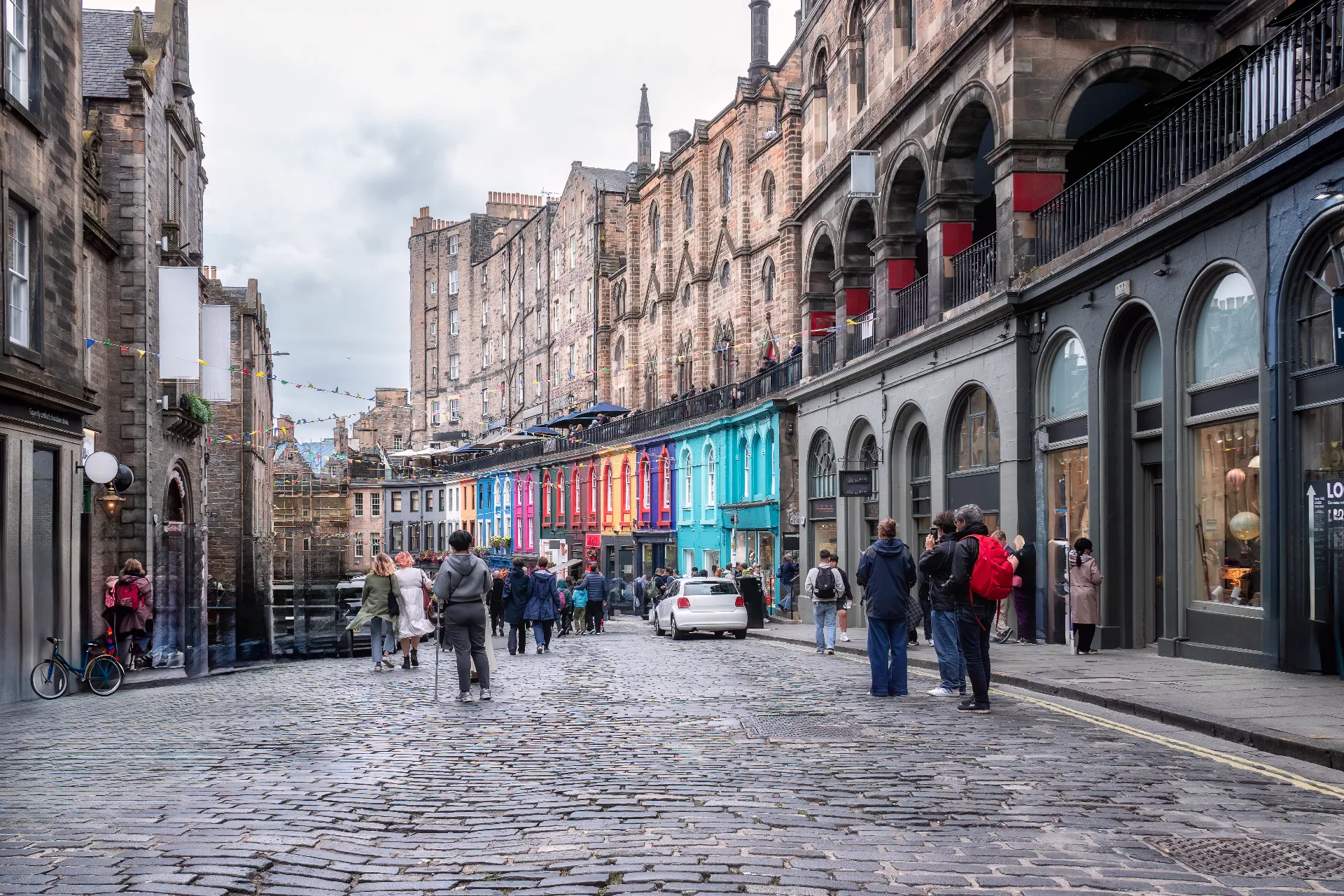
Depart Edinburgh at 08:45 and arrive for scenic daylight in Glencoe; check-in closes at 08:30 so allow time for travel to St Andrew Square.
3. Arriving on Mull, Tobermory Harbour and colourful streets
Tobermory is the island capital, instantly recognisable for the neat rows of brightly painted houses along the harbour; this is where many tours spend Nights 1 to 3, staying at hotels such as the Carnaburg or The Mishnish. The harbour is small enough to explore on foot, with galleries, cafés and a relaxed pace that suits island time. Tobermory Distillery sits close by and offers tastings and short tours following scenic coastal drives; many visitors choose a tasting session on Day 3 after a morning of exploration. Plan on an afternoon stroll around the pier to watch fishing boats and the light shift across the Sound of Mull.
Practicalities: Tobermory makes a good base because it places you a short ferry ride from Iona and within striking distance of Duart Castle. If you have mobility considerations, book accommodation with accessible rooms in advance; island hotels vary in facilities and space. For dinner try local seafood or a hearty stew in a harbour-side restaurant. If you’re on a private island tour you can extend stays at Tobermory or request a different base such as Craignure to suit your ferry schedules.
Where to stay in Tobermory
Nightly options range from comfortable B and Bs to hotels with sea views; Carnaburg and The Mishnish are well-known local names and provide easy access to the harbour and evening dining. Booking early in summer is wise, as island rooms fill quickly during peak months.
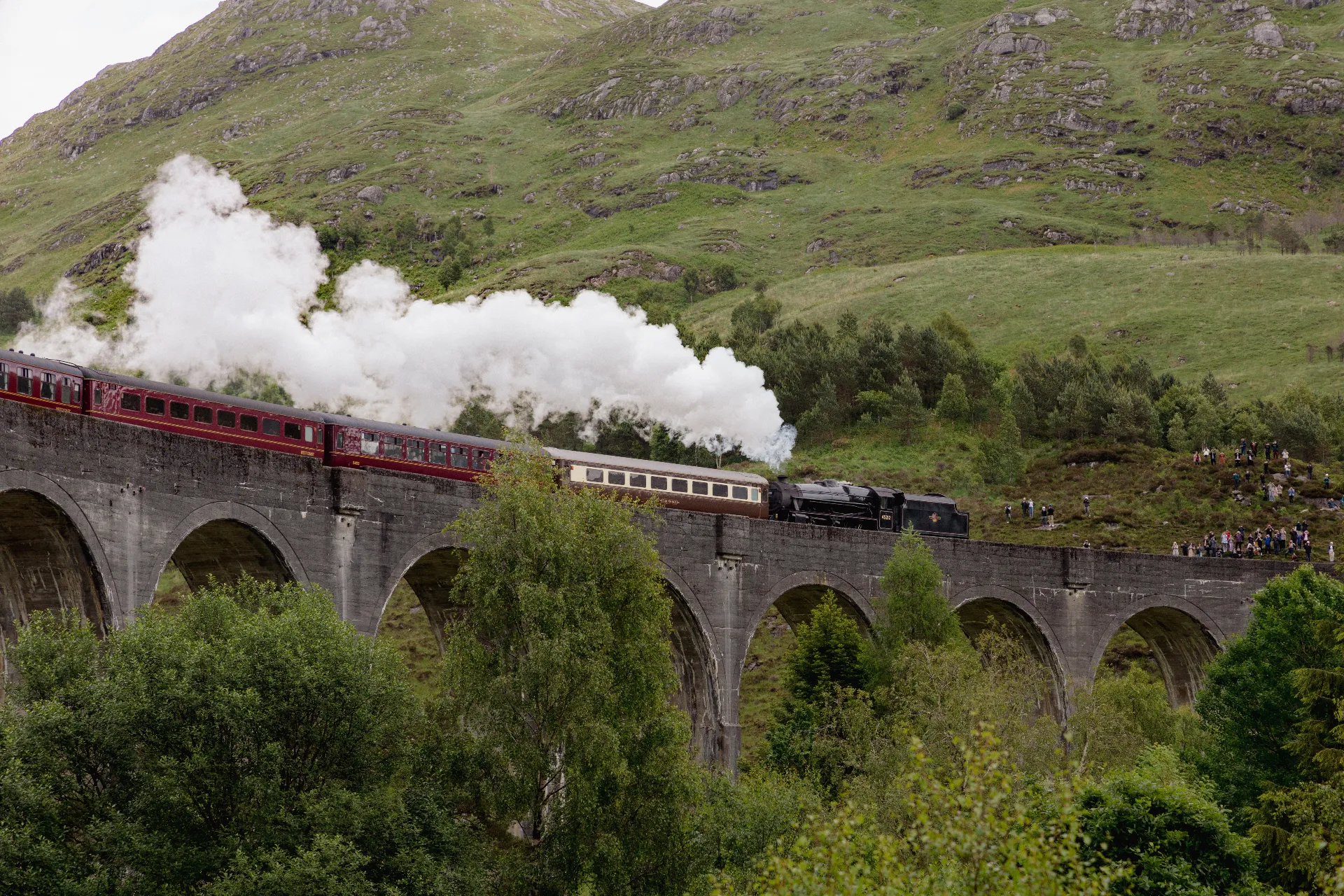
What a truly unforgettable day we had with Brian Collie of Personal Tours of Scotland! Brian’s love for Scotland shone through as he guided us through the stunning Scottish highlands.
Kathy S, TripAdvisor
4. Duart Castle, Clan MacLean and island gatekeeping
Duart Castle stands sentinel on Mull’s eastern shore, the ancestral home of Clan MacLean; its stone tower and battlements are a powerful reminder of island history and clan identity. A visit to Duart is a step into centuries of architecture and lineage, with exhibits and views over the Sound of Mull that frame the castle’s strategic position. Many 4 day Mull tour itineraries include Duart en route to the ferry for Iona, letting you appreciate the fortress before you cross to one of Scotland’s most sacred islands. The castle is also a vivid photo stop; allow 45 to 90 minutes to explore the grounds and the exhibition rooms, and to climb for panorama shots down to the coastline.
Practical travel note: Duart sits on the approach to several ferry piers serving the inner isles, so it fits neatly into the day’s rhythm. If you are considering a private island tour, Duart can be reserved or scheduled for a longer visit with arranged commentary by a local custodian; ask when booking if you would like a guided castle tour or a private after-hours slot during quieter shoulder seasons.
Photographing Duart
Early morning or late afternoon light brings warmth to the castle stone and reduces harsh shadows. From the visitor car park you can frame shots that include sea, castle and the neighbouring hills for a classic island image.

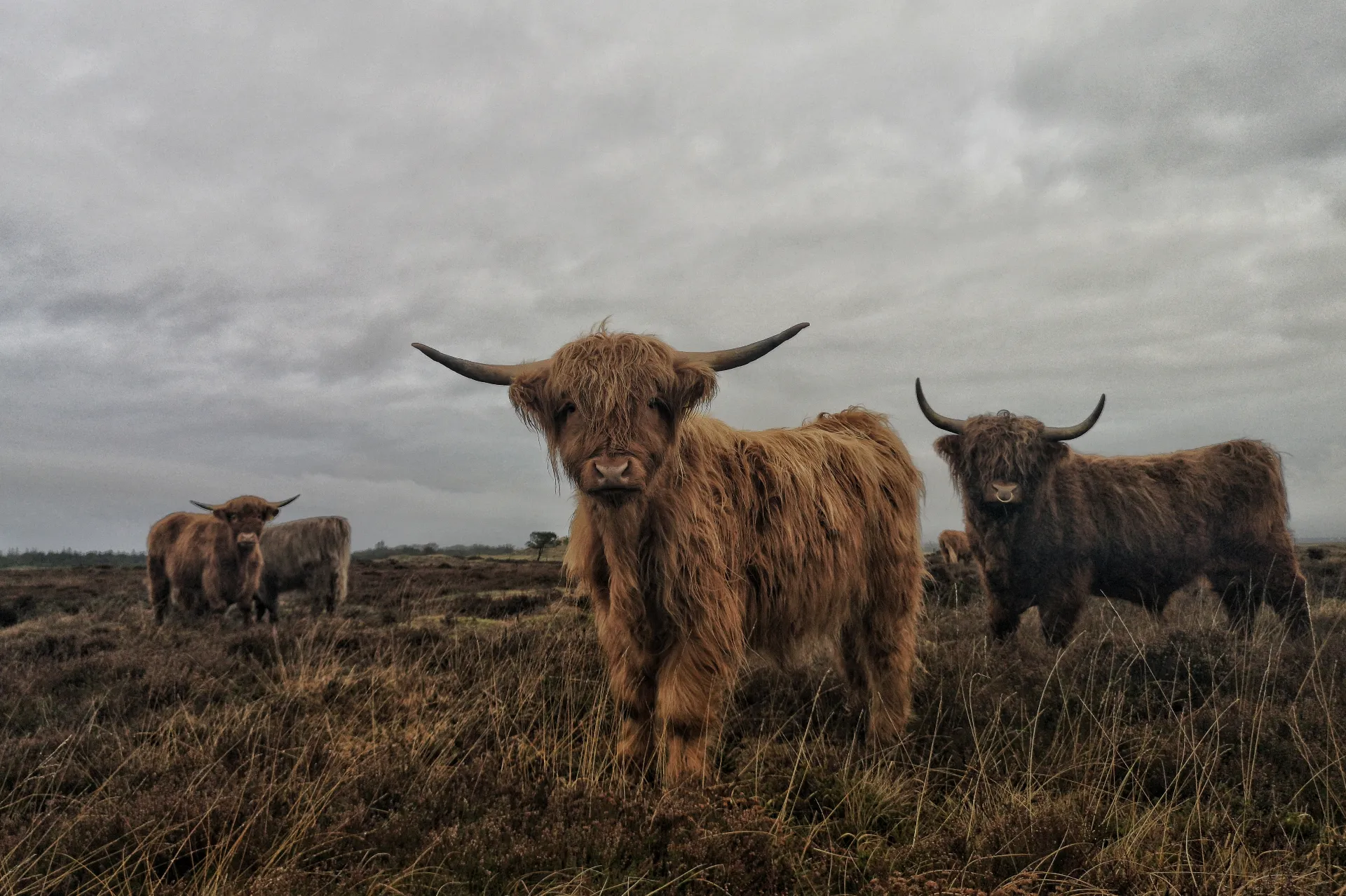
Optional boat trips to Staffa and ferries between Mull, Iona and Oban are weather-dependent; reserve in advance and plan a backup activity.
5. Calgary Beach and the Highland Clearance Village
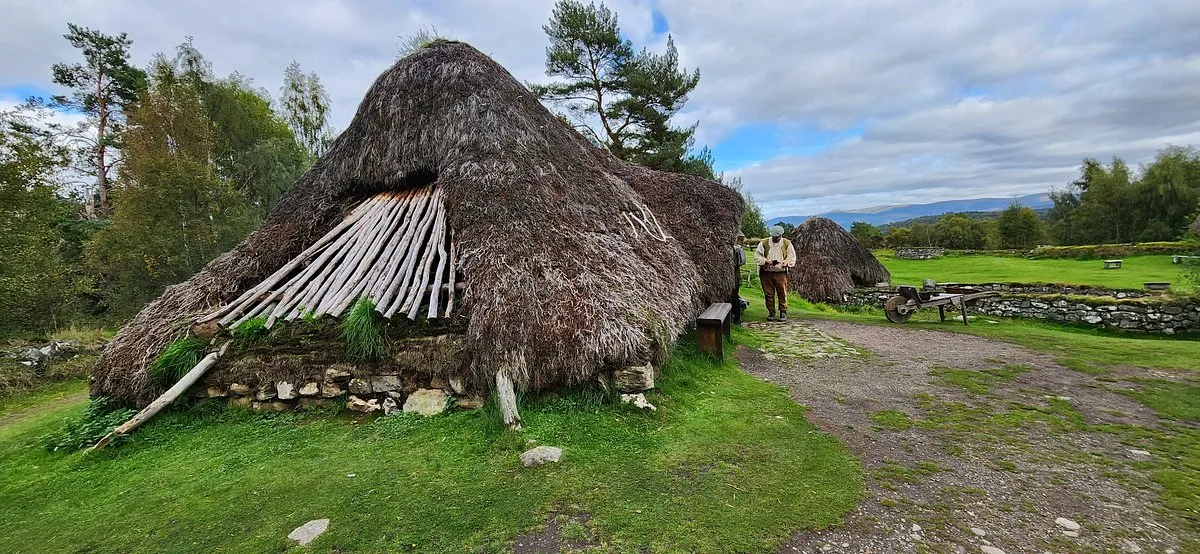
Calgary Beach on Mull is a striking contrast to the island’s rugged side, a sweep of white sand backed by dunes with an evocative Highland Clearance Village site nearby. The beach is ideal for a late afternoon walk; the sand is soft underfoot and the water can be startlingly clear on calm days. The Highland Clearance Village adds an emotional layer to the visit, a reminder of population shifts and community upheaval in the 18th and 19th centuries. Exploring the clearance site and the surrounding headland gives you a sense of how people once lived on these exposed coastal margins. If you enjoy birdwatching, keep an eye out for sea birds and waders around the shoreline.
Logistics: Calgary and the clearance site are on Mull’s northwest coast, a scenic drive from Tobermory that includes narrow single-track roads. Allow time for stops and for a picnic if the weather permits. For families, the beach is an excellent place to let children run and explore while you watch from a comfortable distance.
Accessibility and walking routes
The route to the beach includes short, uneven tracks; a moderate level of mobility is helpful. If you need wheelchair access, check with local visitor centres for specific provisions before arrival.
6. Optional Staffa excursion and Fingal’s Cave
If you fancy a marine interlude, an optional boat trip from Tobermory can take you to Staffa, the island famous for Fingal’s Cave and its hexagonal basalt columns that inspired Mendelssohn’s Hebrides Overture. These excursions typically run in the afternoons on Day 2 or Day 3, weather permitting, and are often offered as add-ons from the harbour; they present a close-up view of the cave’s columnar geometry and the seabird colonies that nest nearby. Boat operators will brief you on timings, safety and rough-boat etiquette, and the sea journey itself is a wonderful way to view Mull’s coastline from a different angle.
Practical considerations: Staffa trips depend on sea conditions, and cancellations for safety do happen, so plan a backup activity, such as an extended visit to Duart Castle or more time at Calgary Beach. If you are on a private island tour you can sometimes secure a flexible boat booking or a tailored cruise that improves your chances of reaching Staffa on calm days.
What you will see at Fingal’s Cave
Fingal’s Cave presents a natural cathedral of basalt columns; expect sheer rock faces, echoing interiors and dramatic surf. The boat approaches close enough for photos, though you will not typically disembark on Staffa during standard excursions.
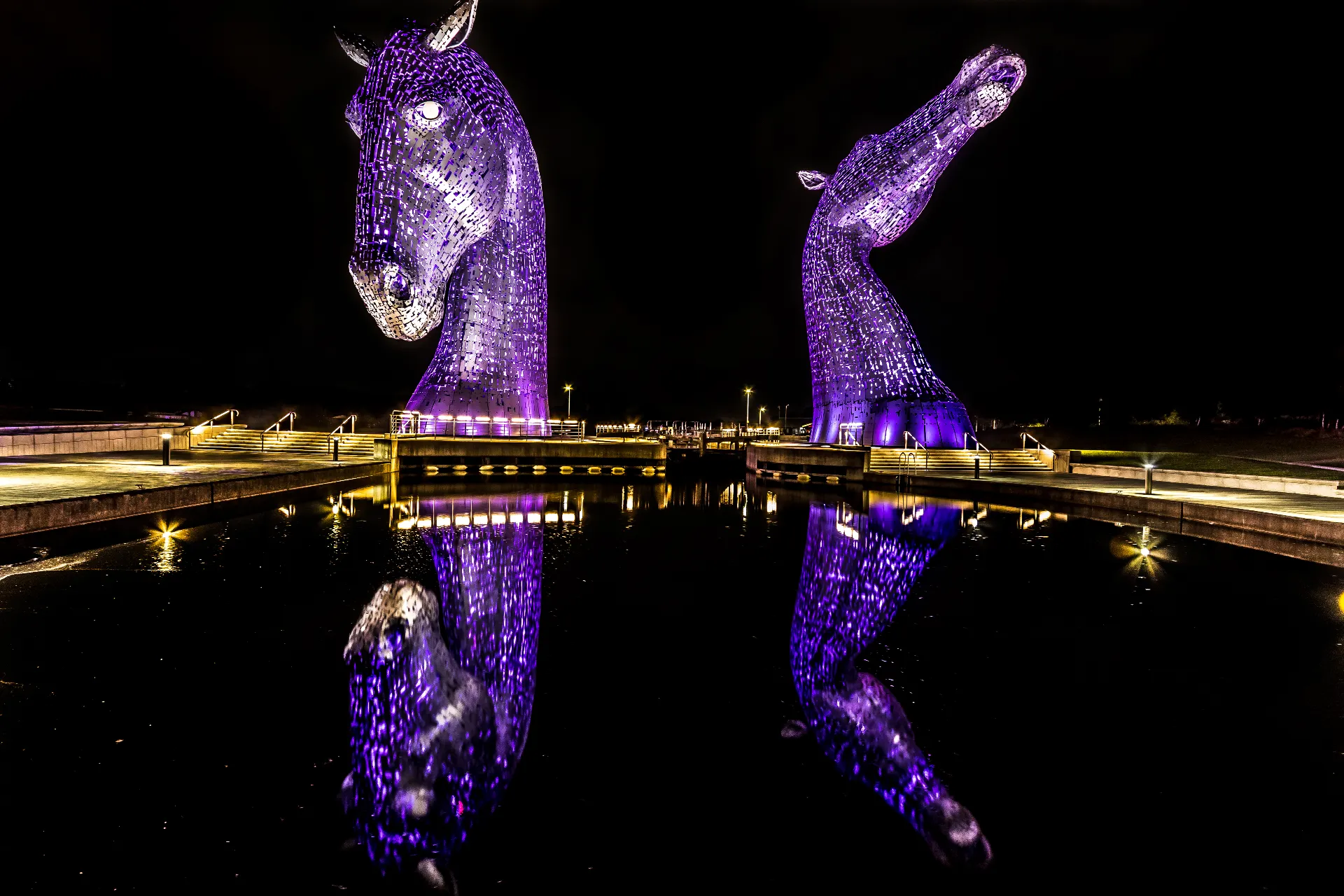
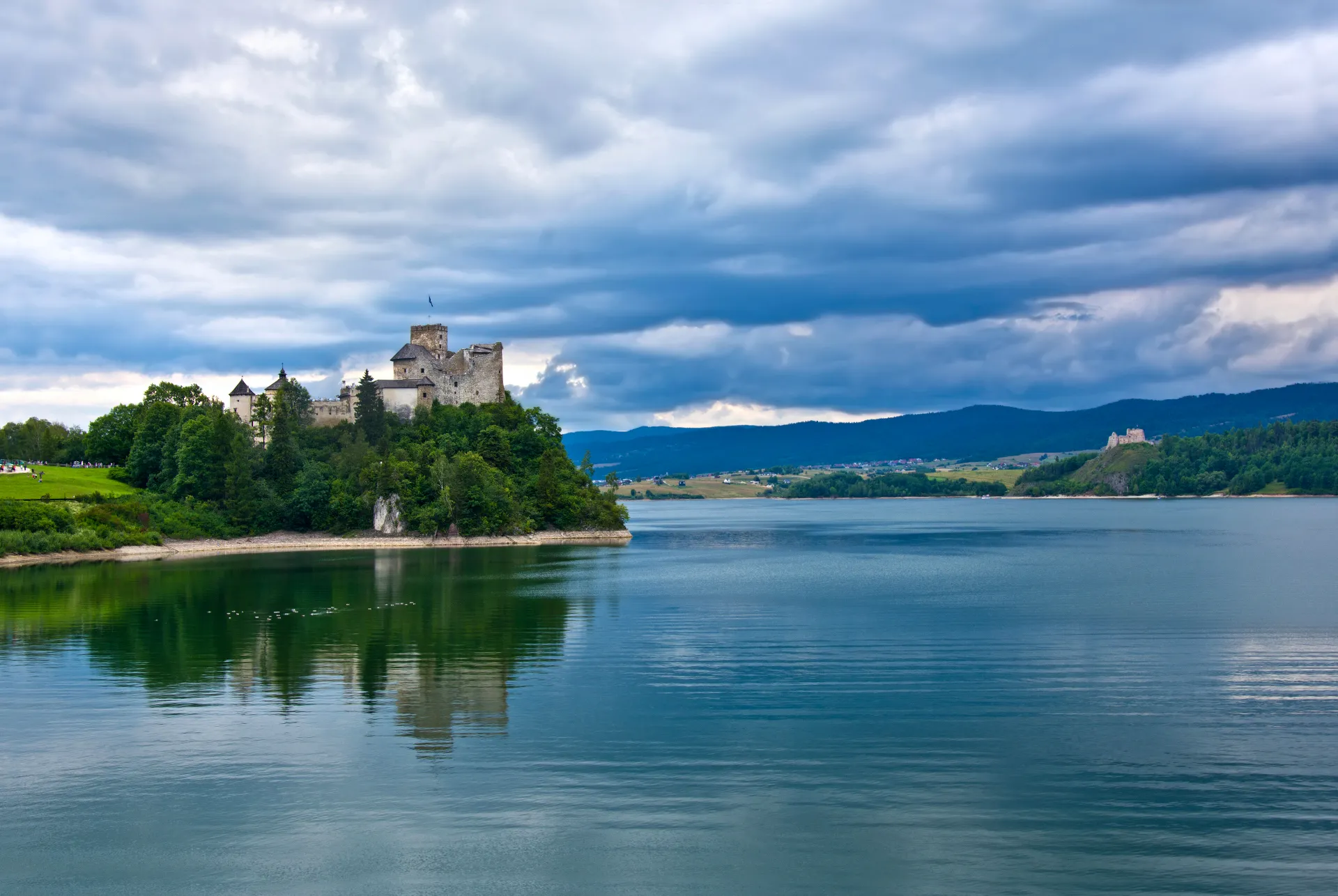
Tobermory makes a comfortable base for 3 nights, providing easy access to Duart Castle, Calgary Beach, Eas Fors and ferry crossings to Iona.
7. Iona Abbey, St Columba and sacred island history
Iona is compact but immensely significant, the island where St Columba founded Iona Abbey in 563 AD and a place often called the cradle of Scottish Christianity. Walking the abbey precincts you will see MacLean’s Cross and the Reilig Òdhrain, the ancient burial ground where forty-eight Scottish kings are said to rest. The abbey’s stonework and grave slabs carry stories in every weathered groove, and time spent here is deliberately contemplative. Crossing to Iona from Mull is straightforward via a short ferry; most itineraries allot a half day or more so you can visit the abbey, explore the little village and walk the low, sandy beaches that have witnessed centuries of pilgrimage.
Practical detail: ferries to Iona run frequently from the appropriate Mull ferry terminal, and the crossing is short. If pilgrimage or ecclesiastical history particularly interests you, request extended time at Iona when booking your private island tour to enable a guided visit into the abbey’s history and to linger at the burial site.
The abbey precincts and artefacts
Within the abbey you will find medieval grave-slab carvings and a mixture of Norse and Celtic design motifs, testament to Iona’s role as a crossroads of cultures during the early Middle Ages. Look for interpretive signs and ask your guide about the most significant stones.
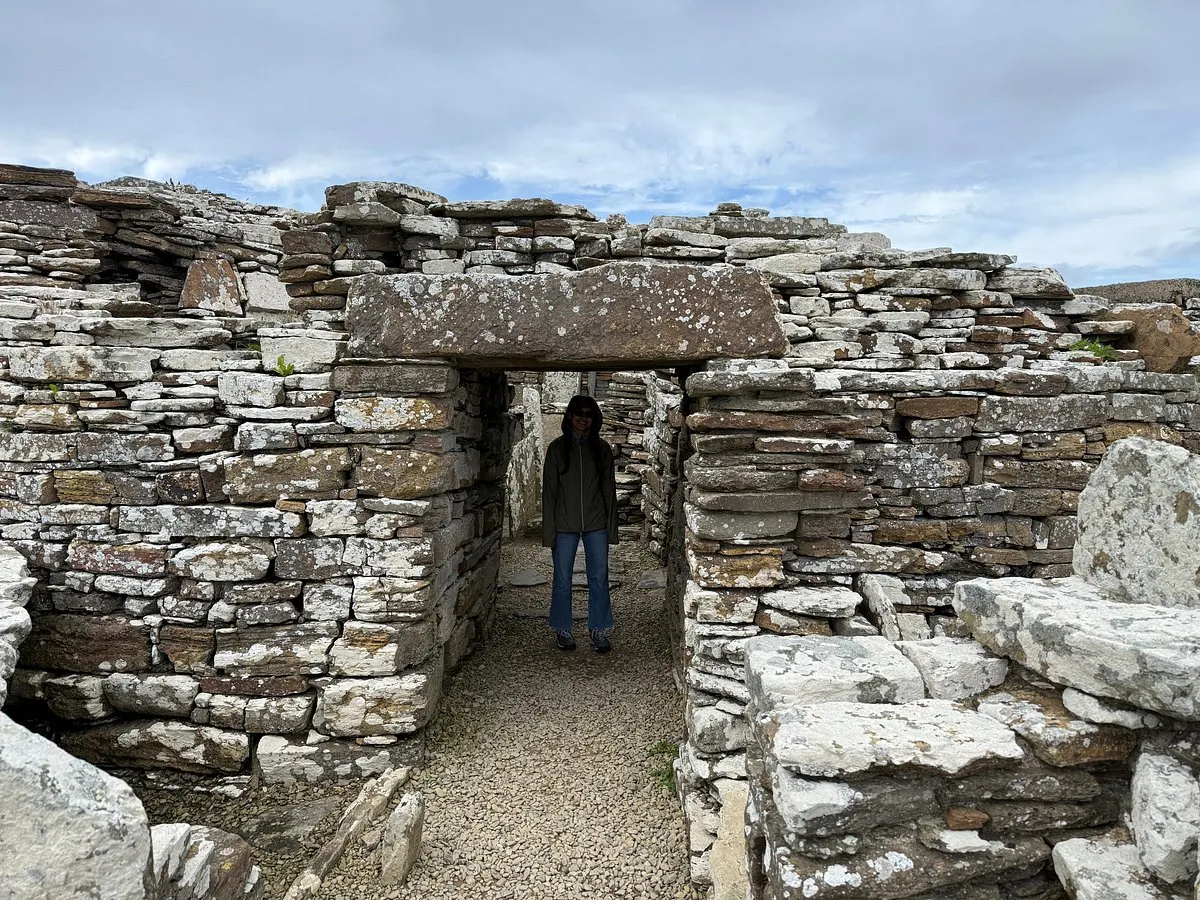

8. Eas Fors Waterfalls and Aros Castle viewpoint
Eas Fors Waterfalls lie on Mull’s northwest side near Calgary Bay, a lovely short walk where tumbling water and mossy rocks reward a modest effort. The falls are especially attractive after rain when the streams swell and the woodland is at its greenest; allow 30 to 60 minutes for the walk and time for photography. Aros Castle, though now a ruin, provides an atmospheric viewpoint over a sheltered inlet and is often included as a short stop for dramatic coastal shots. The combination of fresh water, coastal viewpoints and ancient masonry encapsulates Mull’s diversity in a compact outing.
Practical notes: the walk to Eas Fors is not long but includes uneven surfaces and occasional steps; wear sturdy shoes. If you are on a tight schedule, plan your stops so that Eas Fors and Aros Castle are visited on the same outing, saving travel time and ensuring you return to Tobermory with daylight left for dinner.
Timing your visit
Mid-morning to early afternoon often gives the best lighting and a quieter path, particularly outside peak summer weeks. If you want guided photography tips, ask your Personal Tours of Scotland guide to linger an extra 15 to 30 minutes at the falls.


9. Tobermory Distillery and island whisky tastings
The Tobermory Distillery is a natural stop after scenic coastal drives, offering distillery tours and tasting sessions where you can sample expressions made on Mull. Whisky tastings here are convivial and informative, usually lasting 45 to 60 minutes and led by knowledgeable staff who cover distillation basics and the unique character imparted by island ales and malts. If you have a keen interest in whisky, schedule the tasting for Day 3 when you have the afternoon free, or book a private session through your tour operator to learn more about local cask types and maturation conditions.
Practical considerations: many distillery tours require advance booking during the high season, and some have minimum age restrictions for certain tour elements. If you are driving later in the day, designate a driver or arrange alternative transport back to your accommodation. Tobermory’s harbour-side location makes the distillery an easy walk from most central hotels, so it is simple to combine a tasting with a relaxed evening meal.
What to expect on a tasting
A typical tasting will guide you through three to five drams, discussing nose, palate and finish. Staff will offer food-pairing suggestions and advice on bottles available to purchase locally for take-home.

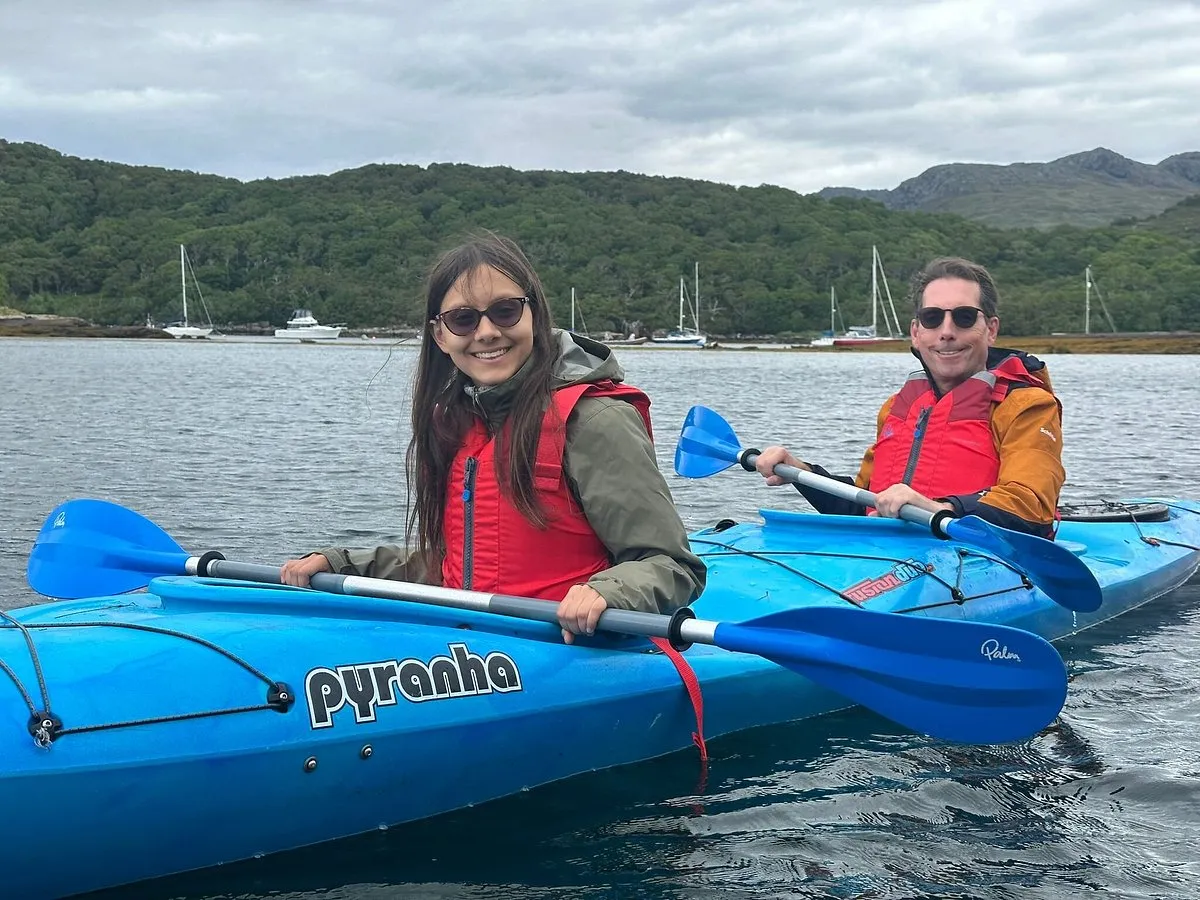
10. Kilmartin Glen, ancient standing stones and rock art
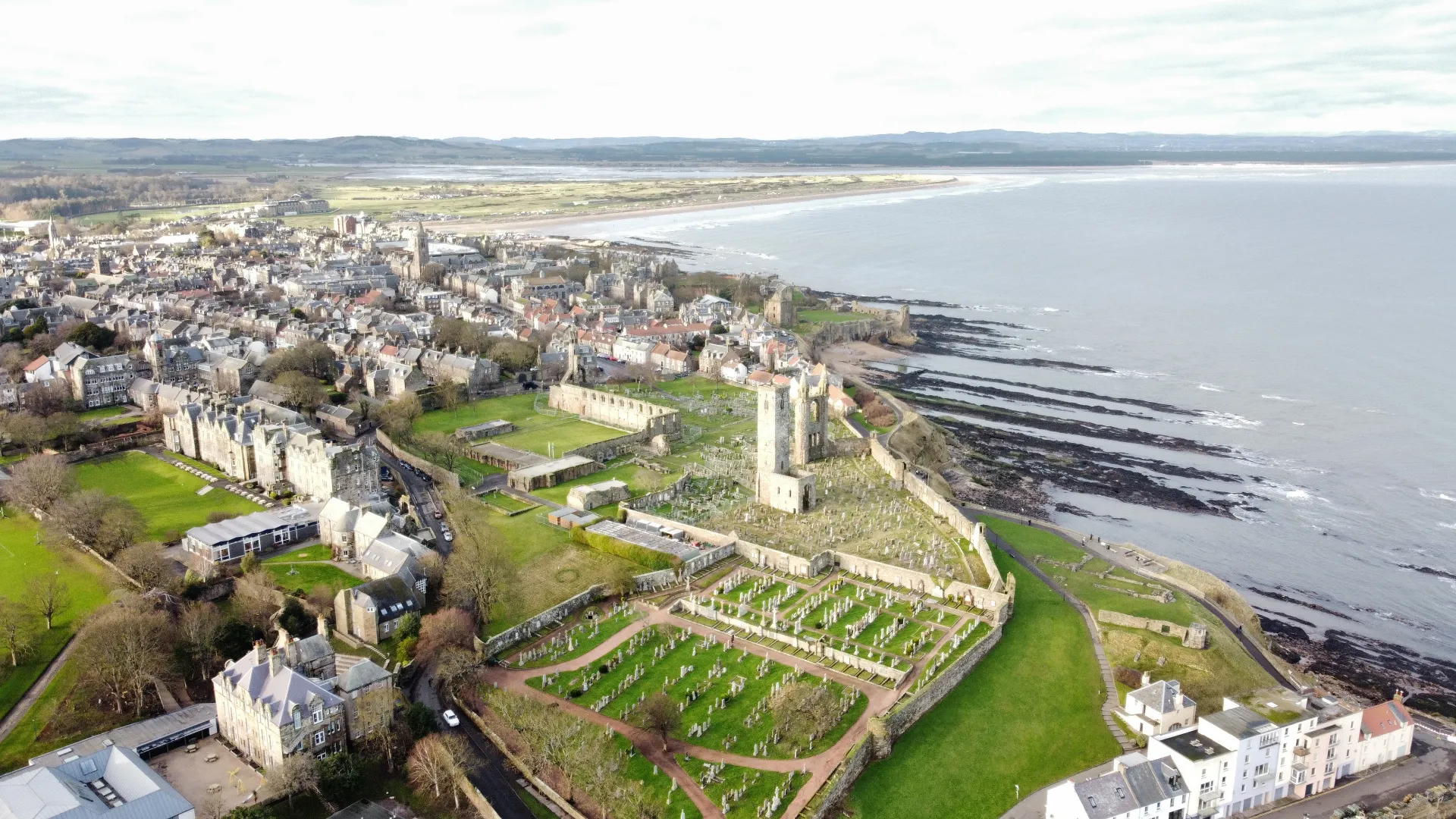
On Day 4, as you head back to the mainland, the landscape broadens into Kilmartin Glen, a remarkable concentration of prehistoric sites with standing stones and rock art dating back around 5,000 years. The Glen showcases chambered cairns, carved stones and monuments that reveal Neolithic and Bronze Age activity across the valleys. Allow at least an hour at the Kilmartin Museum and walk some of the key stone alignments to connect the physical artefacts with the interpretive displays. This stretch of the itinerary contrasts sharply with the island scenery, giving a deep-time perspective that complements your visits to medieval castles and Christian monastic sites.
Practical detail: Kilmartin Glen lies on the route between Mull’s ferry terminals and Inveraray, making it an efficient cultural stop on the return leg. If you are particularly interested in archaeology, ask to extend the visit to include additional cairns and rock art panels, which rewards patient walkers and those who enjoy close inspection of weathered carvings.
Visiting the Kilmartin Museum
The local museum provides highly accessible context for the stone monuments; audio guides and short films help explain the archaeological finds and the dating methods that place items at five millennia of age.
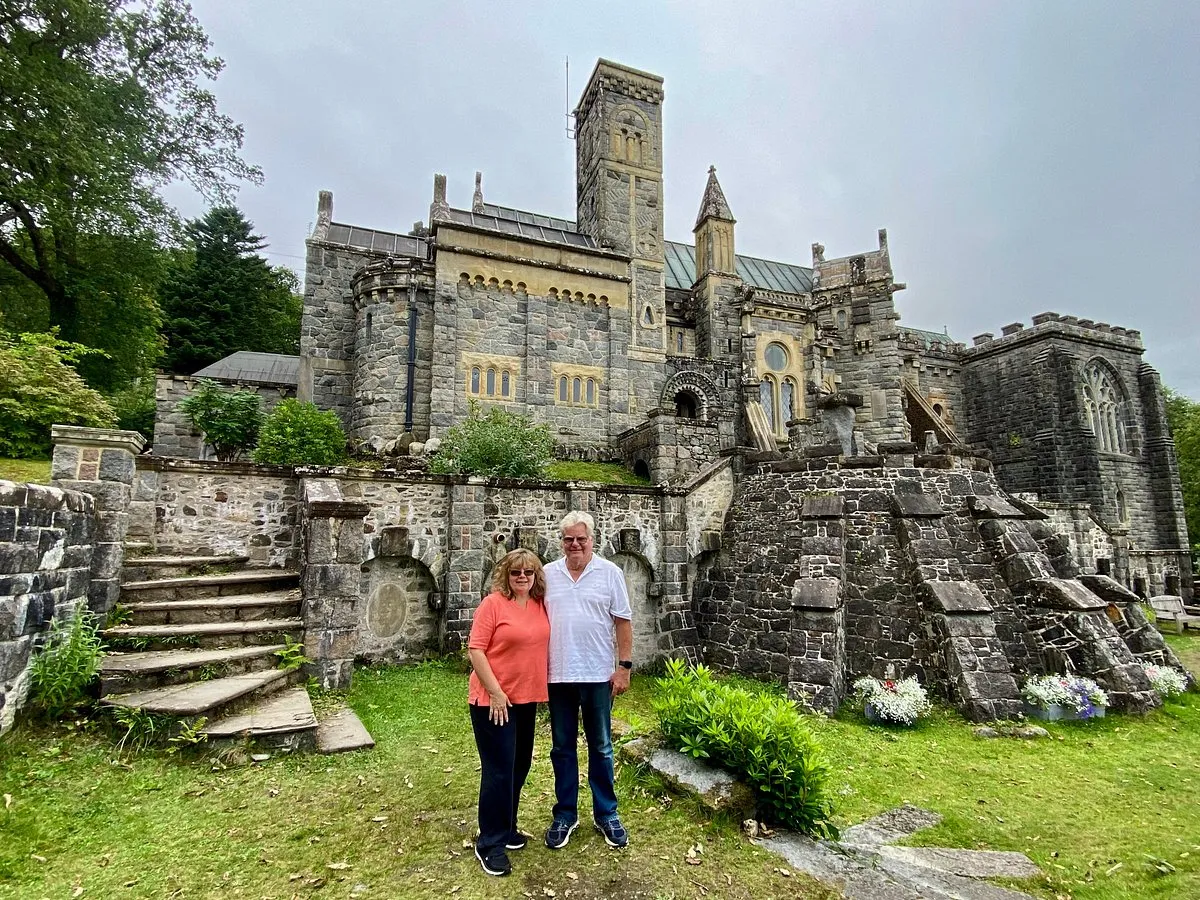
11. Inveraray Castle and Clan Campbell architecture
Inveraray Castle, the historic seat of Clan Campbell, is a stately 18th-century country house with formal rooms, family portraits and a picturesque setting beside Loch Fyne. A stop at Inveraray provides a contrast to the island fortresses you saw on Mull; here the emphasis is on Georgian architecture and a lineage of influence across Argyll. Tours of the castle’s interior and grounds usually last an hour or more, and the cultivated gardens and lochside views are splendid for a relaxed stroll. Several itineraries include Inveraray as a stop on the return to the central belt, giving you a measured transition from island weather to mainland refinement.
Visitor note: opening times and admission arrangements for Inveraray can vary seasonally, so check ahead if a guaranteed interior visit is important to you. The town of Inveraray offers tearooms and shops if you want a longer lunch; it is also a handy place to stretch your legs before continuing east toward the ferry at Craignure or the Corran Ferry crossing if you plan a slightly different route home.
Castle highlights
Look for the grand staircases, family portraits and period rooms that showcase the Campbells’ wealth and taste in the 18th and 19th centuries. Gardens vary with the seasons, offering colourful borders in summer months.

12. Ferries and crossings: Craignure to Oban and the Corran Ferry
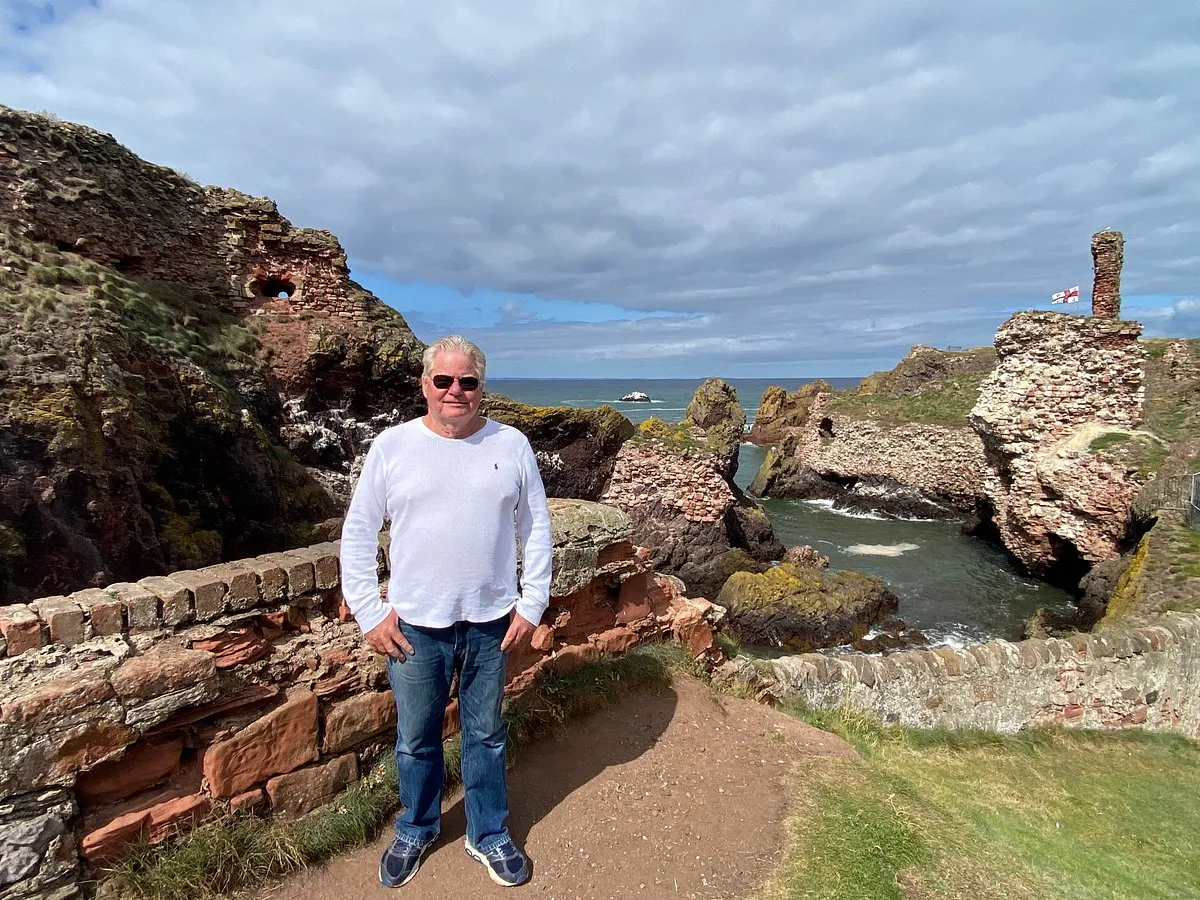
Ferry logistics are central to any west coast Scotland tour, and two crossings matter most on this itinerary. The Craignure to Oban ferry, operated by CalMac, typically takes about 45 minutes and provides a comfortable, scenic transfer back to the mainland; timing this crossing to match onward trains or your flight plan makes the final day much smoother. The Corran Ferry, a short cable-pulled ferry, is a handy crossing when you route via the Morvern peninsula and delivers a quick, charming link across the loch without a long detour. Both ferries run regular services, but schedules vary by season and weather; I always recommend checking timetables close to your travel date and allowing a buffer for minor delays.
Booking and access: for group or private island tours, ferry fees and vehicle reservations are usually included or arranged by your tour operator; if you are travelling independently, purchase tickets in line with CalMac guidance and arrive early for foot passenger or vehicle spaces. On busy summer days ferries can be crowded, so early morning or late afternoon crossings often afford quieter decks and better photo light.
What to expect on board
CalMac ferries provide indoor seating, a small café and open decks for photography. For a 45-minute crossing from Craignure to Oban bring a light layer for sea spray and plan to spend time on deck when the weather is good.
13. Practical packing, pace and converting this into a private island tour
For a successful 4 day Mull tour pack layered clothing, waterproof outerwear, sturdy walking shoes and a daypack for snacks and water; even in summer wind and rain are possibilities, and island weather can change quickly. Plan your camera kit with a telephoto lens if you hope to photograph wildlife such as seals and seabirds, and bring charged power banks to keep devices going across multiple days. If you prefer the privacy and flexibility of a private island tour, Personal Tours of Scotland can build custom timings, add private tastings at Tobermory Distillery, extend time at Duart Castle or arrange flexible boat trips to Staffa; bespoke tours also allow you to tailor pick-up times and to include special interests such as genealogy or landscape photography workshops.
Pacing: this itinerary mixes driving days and shorter island excursions. If you enjoy long walks or photography, request extra time at sites like Glencoe, Calgary Beach or Kilmartin Glen when booking; small additions of 30 to 60 minutes can dramatically improve your experience. For travel safety, confirm ferry times on the morning you travel and keep a printed copy of any vouchers or bookings for hotel check-ins and distillery tasters.
Health and mobility
If you have mobility needs, discuss access requirements when booking. Many island paths are uneven; however, tour operators can often adapt schedules to reduce strenuous walking and to provide closer drop-offs at key sites.

Key transport and timing overview
| Segment | Method | Typical Duration or Note |
|---|---|---|
| Edinburgh to Glencoe | Coach or private vehicle | Depart 08:45; early start allows daylight stops |
| Craignure to Oban | CalMac ferry | About 45 minutes; check seasonal timetables |
| Corran Ferry | Cable-pulled short ferry | Quick crossing for routes via Morvern peninsula |
Frequently Asked Questions
Can I join this 4 day Mull tour as a private group?
Yes, this itinerary adapts well to a private island tour. Opting for a private guide allows you to set departure times, extend visits at favoured sites such as Duart Castle or Iona Abbey, and increase flexibility for optional boat trips to Staffa. Private tours are particularly valuable if you travel with family, have accessibility needs, or want specialist interests like photography or genealogy included. Speak to your tour operator about ferry arrangements and any extra fees for private bookings so timings align with CalMac schedules.
How much walking is involved and is it suitable for older travellers?
The tour mixes short walks and roadside viewpoints with several longer strolls such as the walk to Eas Fors Waterfalls and time around Iona Abbey. Many key highlights, like Tobermory Harbour and Duart Castle exterior, are accessible with minimal walking. If mobility is a concern, request reduced walking and closer drop-offs when booking; a private island tour can be customised to minimise uneven paths and provide more seated time without losing the essential landscapes.
What is the best time of year for calm seas to visit Staffa and Fingal’s Cave?
Calmer seas and more reliable boat services occur from late spring through early autumn, typically May to September; however, even in summer wind and swell can affect crossings. Book flexible excursions and check weather updates the day before departure. If a Staffa trip is a priority, consider scheduling it on a day with a forecast of lighter winds and arranging alternative days in case of cancellation.
Ready to plan your 4 day Mull tour?
If you are inspired and ready to book a tailored west coast Scotland tour, Personal Tours of Scotland can craft a private island tour or a small-group itinerary that matches your pace and interests. Get in touch to discuss ferry timings, accommodation choices in Tobermory and any special requests.
Contact Personal Tours of ScotlandSources
- Mull, Iona and the West Highlands tour overview – Example itineraries that cover Mull, Iona and Glencoe with optional Staffa excursions.
- VisitScotland Isle of Mull and Iona information – Background on Iona Abbey, Mull highlights and practical visitor notes.
- Discover Scotland Tours Isle of Mull sample itinerary – Another practical itinerary and details of Tobermory and surrounding sites.
- Rabbie’s information on departures from Edinburgh – Notes on pickup times and travel routing for west coast tours from Edinburgh.
Final Thoughts
A 4 day Mull tour is a compact, richly rewarding way to experience west coast Scotland: from the rugged drama of Glencoe and the Three Sisters to the painted harbour of Tobermory, the sacred quiet of Iona Abbey founded in 563 AD and the basalt cathedral of Fingal’s Cave on Staffa. You will cross sea channels by ferry, stand beside ancient standing stones in Kilmartin Glen and glimpse clan life at Duart and Inveraray. Whether you choose a small-group itinerary or a private island tour tailored to your interests, the combination of landscape, history and hospitality makes these four days feel much fuller than their length suggests. Pack layers, book key ferries early, and leave space for serendipity; Scotland rewards the curious and the patient, and this route offers both in generous measure.