Highlands & Islands private tours are ideal for travellers who want flexible routes, easy ferry logistics, and access to remote landscapes and wildlife that are hard to experience on big coach tours. From Skye’s jagged peaks to Harris’s white-sand beaches and Mull’s wildlife-rich shores, the region suits visitors who value scenery, quiet, and freedom over rushing between checklists.
Difference between Highlands and Islands • Skye, Mull, Harris and quieter islands • Ferry planning made simple • Wildlife and nature highlights • Sample 7-, 10-, and 13-day route structures • Why private guided tours suit remote regions
Highlands vs Islands
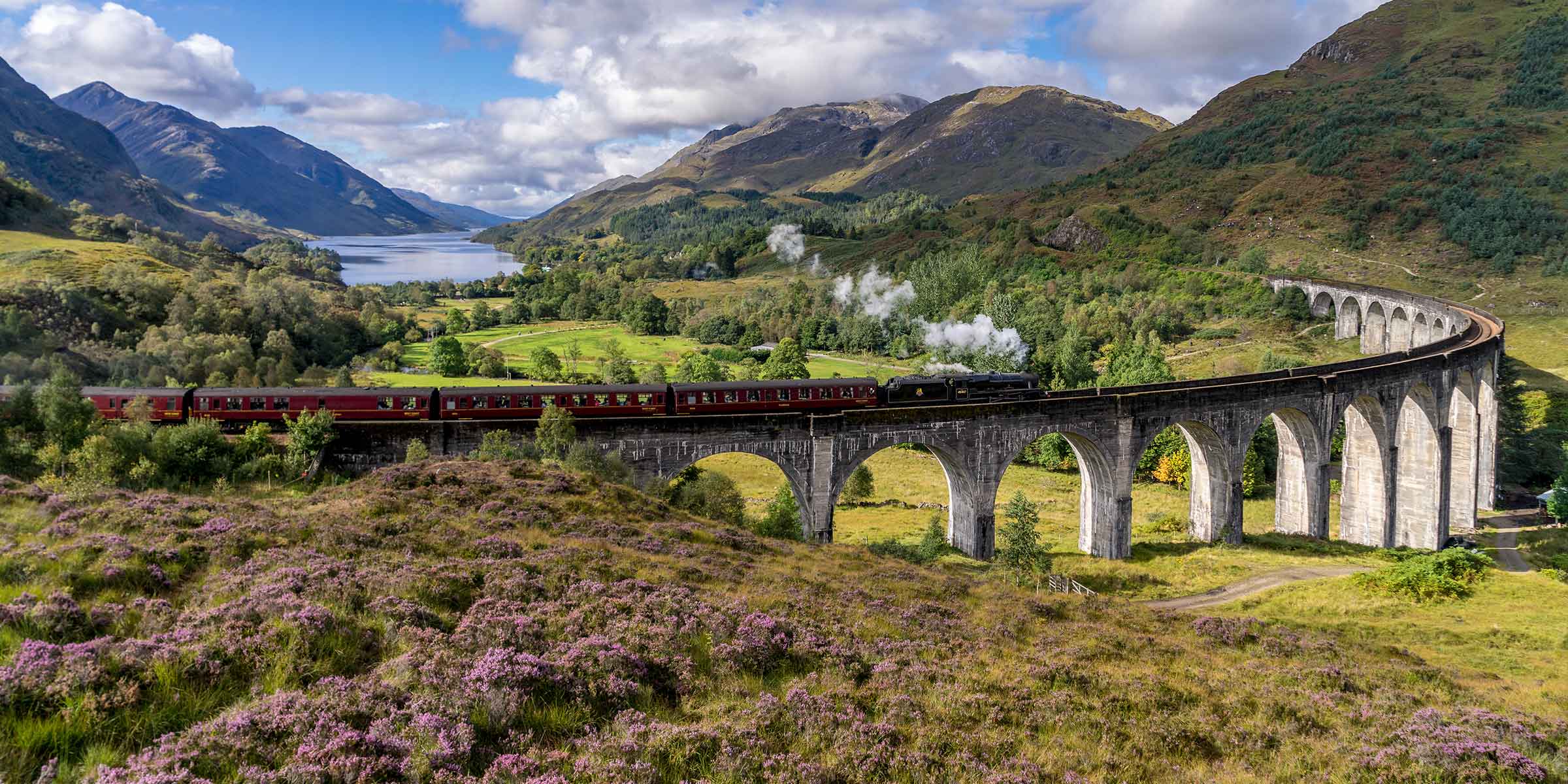
The Highlands generally refers to the mountainous mainland region of northern Scotland — places like Glencoe, Loch Ness, the Great Glen, Wester Ross and the Cairngorms. The Islands usually means offshore groups such as the Inner and Outer Hebrides (including Skye, Mull, Harris & Lewis), Orkney and Shetland.
Key distinctions travellers notice
- Landscapes: Highlands = glens, passes, inland lochs and long valleys. Islands = Atlantic coastlines, beaches, cliffs and sea lochs.
- Culture & pace: Highlands = larger hubs and more accommodation choice. Islands = smaller communities, more Gaelic place-names, slower rhythm.
- Logistics: Highlands touring is mainly roads; islands introduce ferry timetables and the need for smart buffers.
If you’re new to custom itineraries, you’ll find this useful: How to design the perfect bespoke tour of Scotland .
Skye, Mull, Harris & lesser-known islands
Several islands work brilliantly on a first (or second) trip because they combine standout scenery with relatively straightforward links. A customised tour lets you choose one island as a “base”, or island-hop if your timeline allows.

Isle of Skye
Skye is iconic for its jagged peaks, rock formations, waterfalls and unforgettable viewpoints. With a private guide, you can time famous stops outside the busiest hours, turning the “must-sees” into a calmer experience.
- Highlights: Quiraing, Old Man of Storr, Fairy Pools, Neist Point, Portree harbour
- Access: Skye Bridge (Kyle of Lochalsh) or ferry (Mallaig → Armadale)
- Best for: photography, short hikes, Highlands + island loop
Isle of Mull
Mull is an all-rounder: varied scenery, colourful Tobermory, castles, and excellent wildlife opportunities. It’s also a brilliant base for adding smaller islands without complex travel days.
- Highlights: Tobermory, Duart Castle, beaches, coastal viewpoints
- Access: ferries from Oban → Craignure (plus other west coast links)
- Best for: wildlife, families, relaxed touring, Iona and Staffa day trips
Harris (and Lewis)
Harris and Lewis share one landmass but feel like two worlds: Harris is famous for wide beaches like Luskentyre and Seilebost, while Lewis offers history, standing stones and a slightly “bigger island” vibe. This is a strong choice for travellers who want open horizons, fewer crowds and true island atmosphere.
- Highlights: Luskentyre, Tarbert, coastal drives, weaving heritage
- Access: Uig (Skye) → Tarbert (Harris) or Ullapool → Stornoway (Lewis)
- Best for: wild beaches, slow travel, big skies
Lesser-known options (quiet upgrades)
- Iona: peaceful beaches and historic abbey (via Mull: Fionnphort → Iona)
- Staffa: sea caves and seasonal wildlife trips (usually from Mull)
- Ulva: walking, birdlife and crofting landscapes (often as a day trip from Mull)
- Arran: “Scotland in miniature” if you want island feel with easier logistics
- Orkney: archaeology and wartime history (best with a few nights)
Ferry planning made simple
Island touring almost always involves ferries — which is where private guided tours really pay off. Your driver-guide plans realistic buffers, builds the day around sailings, and keeps the itinerary flexible if weather shifts.
Vehicle spaces can sell out on popular routes in peak season. The most comfortable private itineraries build in “ferry day breathing room” — not tight connections. If you’d like us to plan this for you, start here: book a planning call.
- Booking & capacity: vehicle spaces on popular routes can sell out in summer and school holidays.
- Weather reality: wind and sea conditions can occasionally disrupt crossings — private touring makes it easier to re-sequence days.
- How it’s handled: ferry tickets are typically included or arranged on your behalf and itemised transparently (always confirm what’s covered).
Wildlife & nature highlights
The Highlands and Islands are some of the best areas in the UK for big landscapes and iconic wildlife — especially when your day is paced to maximise chances of sightings without turning into a rushed mission.
On and around Mull
- White-tailed sea eagles, golden eagles, otters and seals are commonly spotted with good timing.
- Boat trips can bring dolphins and porpoises — and sometimes whales depending on season and conditions.
Skye and the west coast
- Rock formations, sea cliffs and waterfalls with coastal viewpoints for seabirds and seals.
- Mainland stretches near Mallaig offer classic Highland scenery with beaches and lochs.
Outer Hebrides (Harris & Lewis)
- Machair, dunes and long beaches with waders and seabirds.
- Low light pollution can deliver memorable sunsets and occasional dark-sky stargazing.
Sample 7-, 10- and 13-day route structures
The right length depends on how many islands you want and how relaxed you want each day to feel. These are realistic “structures” that bespoke tours can expand or simplify based on your interests.
- Days 1–2: Edinburgh/Glasgow → Glencoe → Great Glen (overnight Fort William or Loch Ness area)
- Days 3–5: Skye base (2–3 full days with smart timing)
- Days 6–7: return via Eilean Donan / Cairngorms loop → finish city/airport
Why it works: one major island, minimal ferry complexity, maximum scenery.
- Days 1–3: West Highlands + Glencoe → Oban
- Days 4–6: Mull base + Iona/Staffa day trip + wildlife options
- Days 7–10: add Skye via Mallaig/bridge OR head north to Ullapool → Lewis/Harris
Why it works: two island experiences without turning every day into a transit day.
- Segment 1: Central + west Highlands (Glencoe, Glenfinnan, coastal roads towards Mallaig)
- Segment 2: Skye (3 nights+) to see highlights at quieter times
- Segment 3: ferry onward to Harris/Lewis OR pivot south for Mull as the second base
- Segment 4: return via a different ferry route → Inverness/Perthshire → finish city
Why it works: proper island time, calmer mornings, and fewer “move every night” days.
Why private tours suit remote regions
Remote Scotland is exactly where private tours of the Scottish Highlands shine. Infrastructure is limited, conditions can change fast, and logistics can make or break the feel of a trip.
Flexibility that actually matters
- Swap days around to chase better weather and clearer views.
- Re-sequence plans if a crossing is delayed or a road is slow.
- Adjust the pace for energy levels without “breaking the itinerary”.
Safety and comfort
- Single-track roads, livestock and narrow passes are common — a professional driver reduces stress.
- You focus on scenery, photos and stops instead of navigation and fatigue.
Local insight
- Context on Gaelic culture, island history and crofting that you won’t get from a map.
- Quieter viewpoints, better timing, and small local businesses that fit your interests.
Want to see what it feels like in real life? Read what guests say on our reviews page.
Tell us your dates, number of travellers, and priorities (Skye / Mull / Harris, wildlife, slow pace vs fuller days) and we’ll shape a route that feels effortless. Contact us to start planning.