
Tailored Battlefields Tours Scotland: Your Bespoke Journey Through Jacobite Britain
If you come to Scotland wanting more than a guidebook, tailored battlefields tours Scotland give you a private, almost conversational route through the landscapes where history was decided. Imagine standing on the ridge at Culloden where the last battle on British soil was fought on 16 April 1746, then moving to Glenfinnan to see where Prince Charles raised the Stuart standard in September 1745. I design bespoke military history walks and drives that stitch together those dramatic moments with quieter sites like the prehistoric Clava Cairns and the Highland Folk Life Museum for context. A properly planned private battlefield visit can include a full-day, 9-10 hour itinerary from Glasgow with luxury hotel pick-up and drop-off, or shorter 3- to 5-hour deep dives if you prefer to linger longer at one place. I will show you how to turn stone, slope and museum display into a story you can follow: troop movements along General Wade’s post-1715 roads; the first Jacobite triumph at Prestonpans in 1745; the first skirmish at Spean Bridge. For an immersive start, consider a linked visit to the Culloden visitor centre with its cinema and interpretation galleries, then let your personal tour evolve to match your questions and pace.
Overview: Why Choose Tailored Battlefields Tours Scotland
Tailored battlefields tours Scotland are about turning your curiosity into a single, coherent journey across time and terrain. You are not on a bus timetable; you travel in a private vehicle with a driver-guide who fits every stop to the questions you bring. Private battlefield visits typically limit groups to 1-16 people with a knowledgeable driver-guide, which makes it easy to pause for an unexpected photograph, a reading of contemporary accounts, or a quiet moment at a cairn. For example, private Culloden tours arranged from Glasgow can be full-day 9-10 hour experiences, with hotel pick-up and drop-off in comfortable transport for 1-6 people. On such bespoke military history itineraries you can choose where to linger; you might take three hours inside the Culloden visitor centre’s immersive cinema and galleries, then spend an hour walking the ridge and learning about troop dispositions and musket ranges. Choosing a tailored tour also lets you combine sites that are geographically linked but often separated on standard group excursions, such as pairing Fort George’s formidable 18th-century defences with the nearby Clava Cairns and a stop at the Highland Folk Life Museum to compare martial history with everyday Highland life.
How small-group private battlefield visits change the experience
A small private group changes the rhythm of a battlefield visit profoundly. You can begin with a 30- to 60-minute cinematic orientation inside a visitor centre, then step back into the landscape to trace lines and understand why a ridge or a bog mattered. For example, bespoke itineraries often include a five-hour deep dive at Culloden for hands-on discussion, bagpipe laments and Gaelic singing demonstrations; that level of immersion is difficult to achieve on packaged tours. Practicalities matter too: with private travel you can coordinate timings to avoid peak crowds at sites like Edinburgh Castle or Holyroodhouse, and you can request specialist stops such as the first Jacobite skirmish site at Spean Bridge or the battlefield at Prestonpans where the Jacobites won their first major victory in 1745.
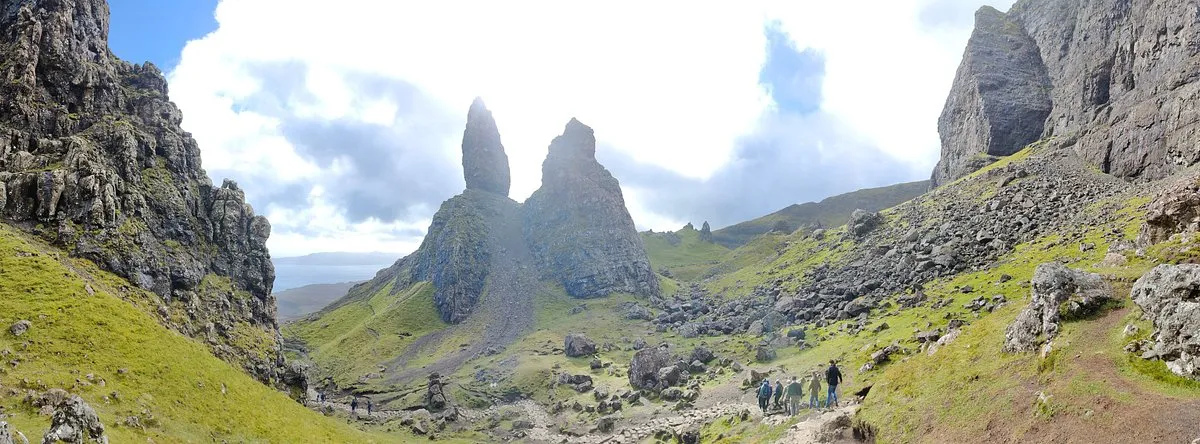

Our experience with Personal Scotland and Brian was outstanding. Brian is exceptionally knowledgeable about Scotland’s history and culture, and his gift for storytelling made every stop along our journey both engaging and memorable.
Alexander M, TripAdvisor
1. Culloden Battlefield and Visitor Centre
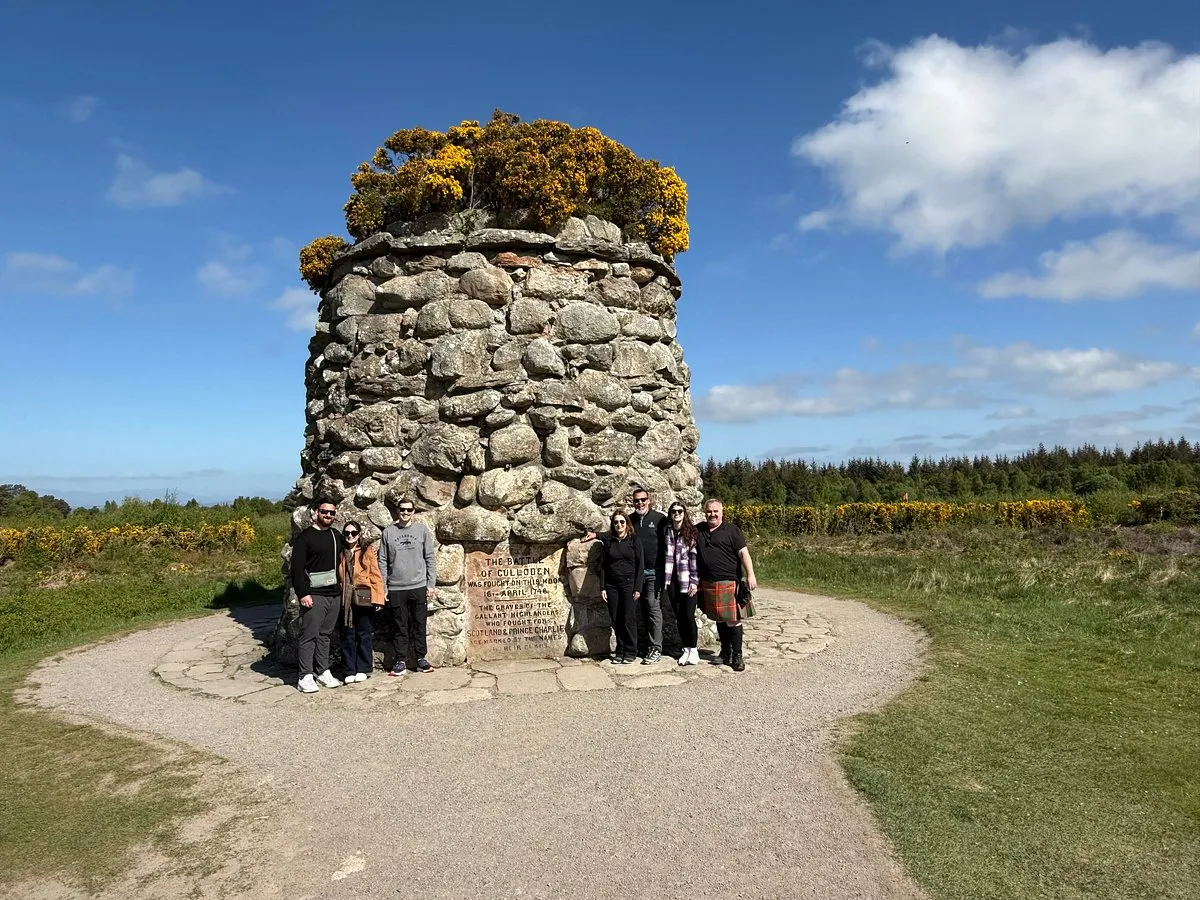
Culloden is the single most visited battlefield on a Jacobite itinerary and for good reason: the battle fought on 16 April 1746 was the final Jacobite defeat on British soil. A private Culloden visit often begins in the excellent visitor centre where the immersive cinema and interpretation galleries set the scene for the carnage and consequences that followed. You can expect three hours of guided exploration at the visitor centre on some private tours, then additional time walking the moor to view markers for regiments and command positions. If you opt for a full-day private tour from Glasgow, plan on a 9-10 hour day including hotel pick-up and return, and allow time for Fort George nearby. For deeper immersion, some operators include five-hour deep dives at Culloden that feature bagpipe laments and Gaelic singing demonstrations, a powerful way to sense the cultural as well as military cost of 1746. When you stand on the shallow slopes and see the lines of cairns and interpretive plaques, the dates, unit names and the scale of losses become searingly tangible; that is why so many visitors request bespoke military history content here rather than a cursory stop on a bus route.
Practical details for a private Culloden visit
Access varies by season; if you want to visit in the shoulder months arrange your private tour at least a month in advance to secure the times you need. A typical itinerary allocates three hours inside the visitor centre and another one to two hours on the moor; private groups of 1-6 are common and allow the guide to tailor the depth of primary-source discussion. Combine Culloden with Fort George for a morning or afternoon, and include Clava Cairns for prehistoric context if you have an extended day; that combination helps explain continuity in Highland life before and after 1746.
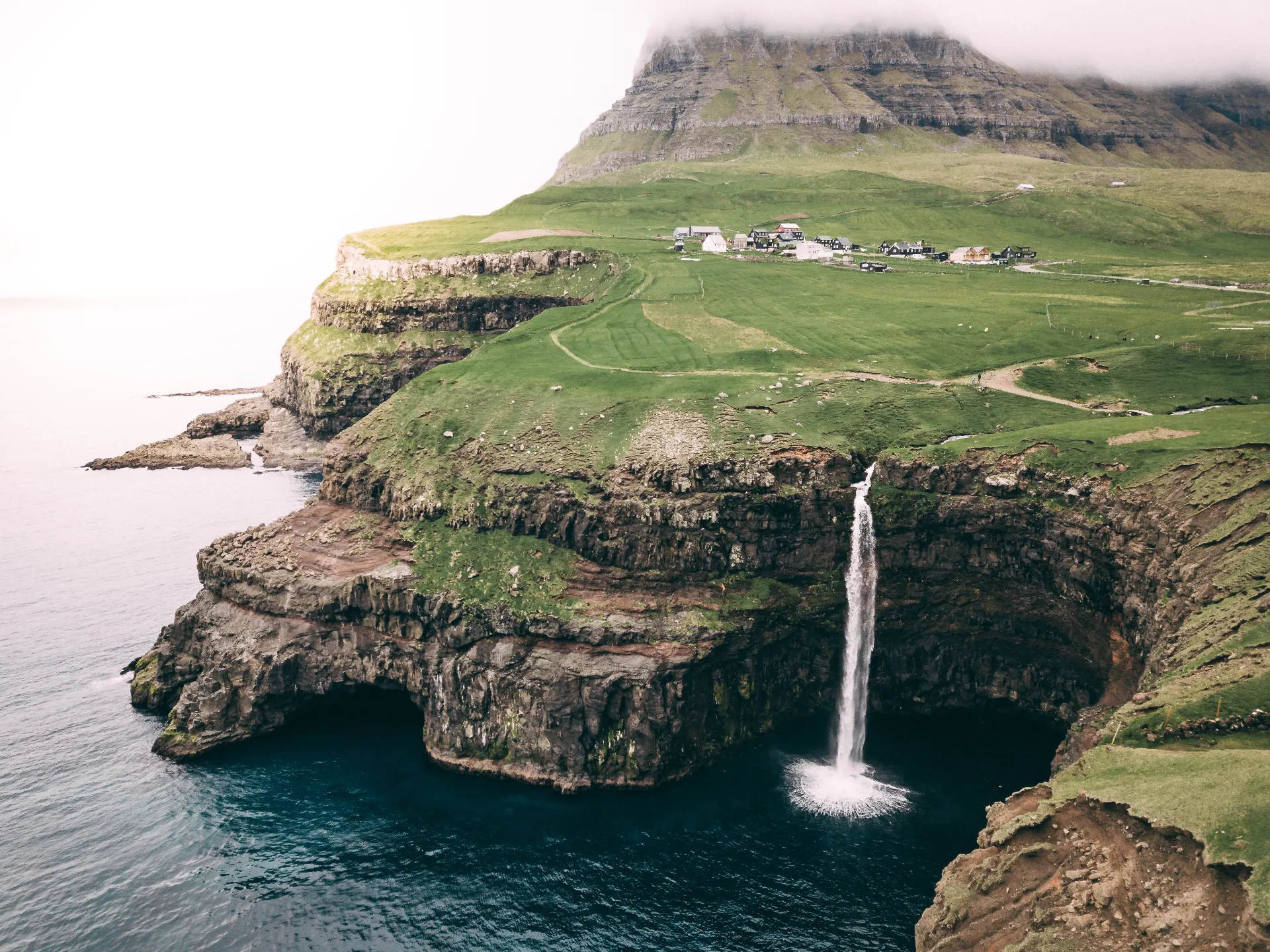

Tailored battlefields tours Scotland let you choose pace, depth and themes; specify whether you want forensic military detail, social history, or a mix and your guide will plan accordingly.
2. Glenfinnan Monument and the Raising of the Standard
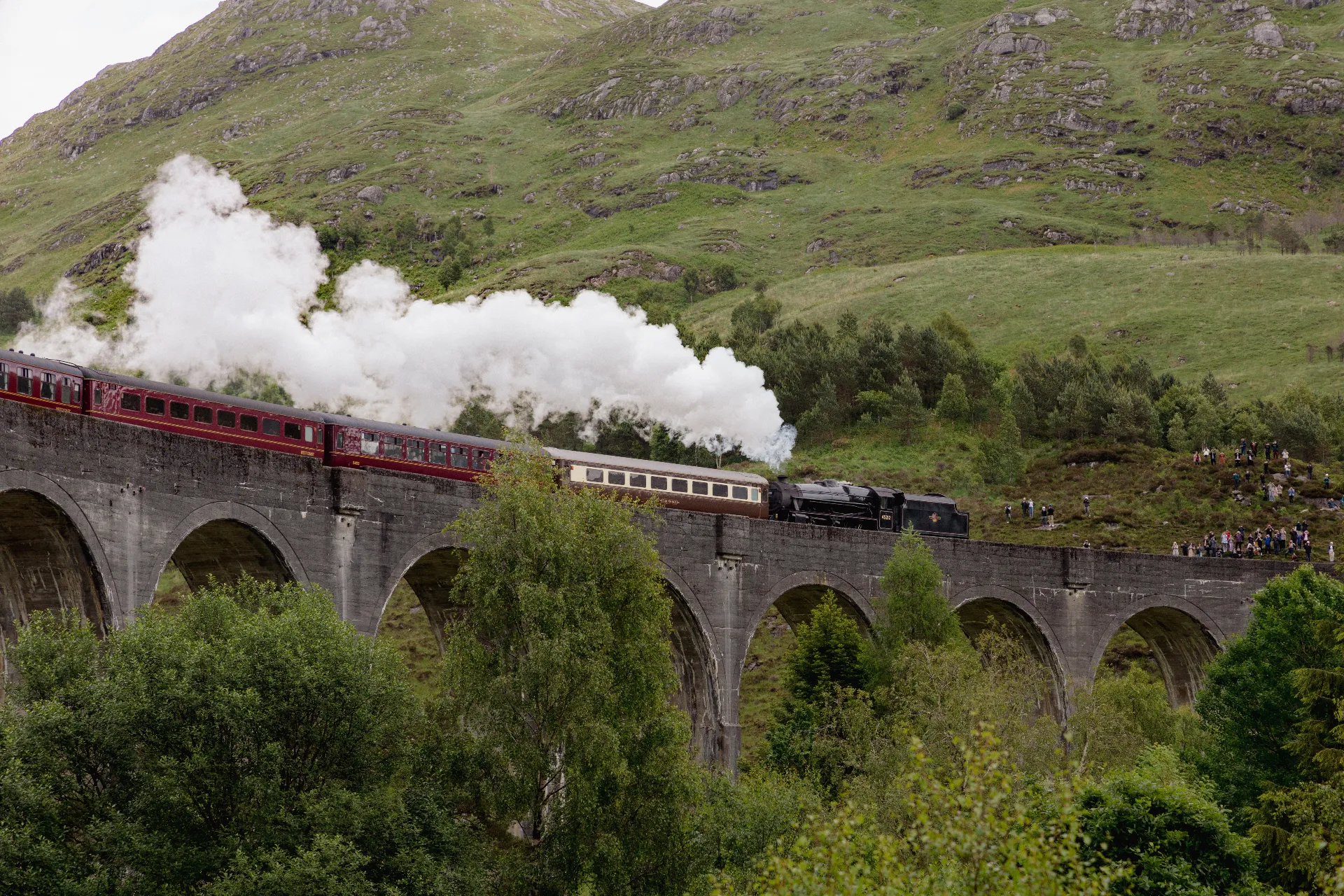
Glenfinnan is the cinematic beginning of the 1745 Rising: in September 1745 Prince Charles Edward Stuart raised the Stuart standard there, a moment that launched the Jacobite march into the Lowlands. Tailored battlefields tours Scotland commonly include Glenfinnan as the opening scene of a chronological itinerary; the monument overlooks Loch Shiel and the view is essential for understanding the strategic importance of Highland glens as natural corridors. If you want to add a dramatic travel moment, the Jacobite steam train crosses the iconic Glenfinnan Viaduct, offering a bookended picture from rail and monument perspectives. For itinerary planning, Glenfinnan works best early in the day to catch softer light and quieter visitor numbers, and you can weave in nearby Spean Bridge to follow the first skirmish of the Rising. A private guide can bring contemporary letters and orders to life while you look across the same loch Prince Charles saw, making that September 1745 moment feel immediate and purposeful rather than a distant date.
Combining Glenfinnan with surrounding sites
A robust day might pair Glenfinnan with Spean Bridge, where the Rising’s first skirmish took place, and a stop at the Commando Memorial to discuss later military connections. On a multi-day bespoke military history tour you can move from Glenfinnan into the central Highlands along the routes used by Jacobite columns, tracing General Wade’s post-1715 roads where they facilitated rapid movement. This geographical linking is what makes tailored battlefield tours so informative and satisfying.

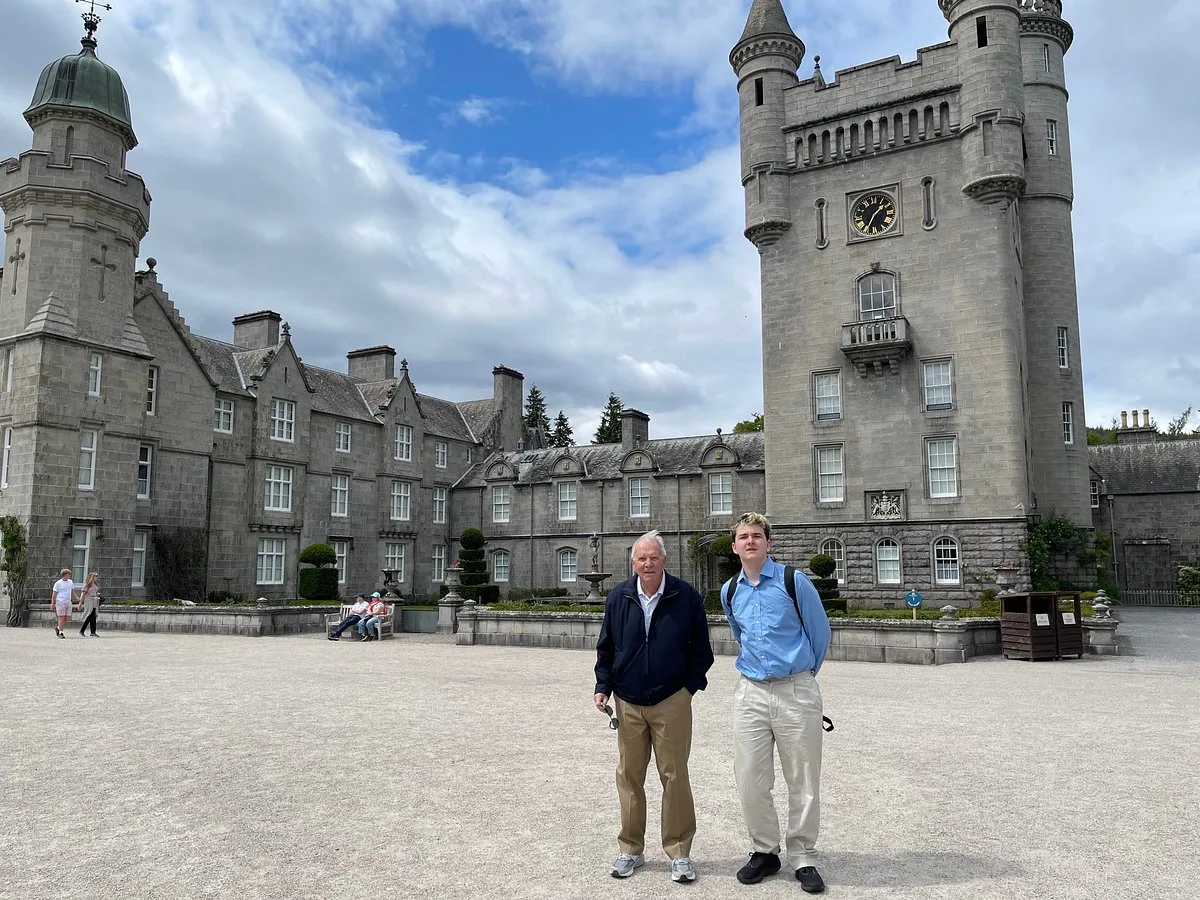
Personal Tours of Scotland (Brian Collie) was so easy to work with. They just took our wish list and created the perfect experience.
Ute F, TripAdvisor
3. Prestonpans Battlefield, 1745 Victory
Prestonpans deserves a prominent place on any bespoke military history route because it was the Jacobite army’s first great victory in 1745. The battle’s quick, decisive tactics in September of that year shocked government forces and provided momentum for the march south. When you visit on a tailored battlefield tour, your guide can walk you through the battlefield’s geography, show where cavalry and infantry engaged, and read contemporary eyewitness accounts that explain how a smaller Jacobite force achieved success. Practical visiting details include short walking distances across low-lying fields and the possibility to add the nearby village interpretation panels. For a truly comparative day, pair Prestonpans with a later government-constructed fort such as Fort George to examine the contrasting responses to the Rising: one a battlefield of manoeuvre in 1745, the other a fortification built after 1746 to secure control in the Highlands.
What to ask your guide at Prestonpans
Focus questions on armament, troop numbers and timing: how did weapon ranges and battlefield cohesion influence the outcome; what was the role of local Highland levies; how quickly did news travel back to Edinburgh and London? A tailored battlefield visit allows time for these forensic details and for discussion of the commemoration practices that followed in the centuries after the battle.


Pairing Culloden with Fort George, Clava Cairns and Glenfinnan provides a narrative arc from prehistoric ritual to fortification, making decisions and consequences easier to understand.
4. Fort George, an 18th-century Fortress
Fort George, built in the wake of the 1745 Rising, stands as one of Europe’s best-preserved 18th-century fortifications and is essential for understanding the government’s military response to the Jacobite threat. The fort near Inverness was designed to control the Moray Firth and to accommodate thousands of troops; its bastions, ramparts and magazines speak to large-scale military planning rather than the smaller, mobile forces seen on the moors. On a tailored tour you can contrast Fort George’s ordered geometry with the irregular Highland terrain where Jacobite columns operated. Include at least an hour inside the fort to see period barrack rooms, artillery placements and low-angle enfilading positions, and combine the visit with Culloden to see both action and aftermath in one extended day. Fort George’s scale, preserved layout and clear interpretive displays make it an indispensable stop on bespoke military history routes.
How Fort George complements a battlefield itinerary
Fort George is ideal as either a morning or afternoon stop alongside Culloden and the Highland Folk Life Museum; its role as a counterpoint to insurgent manoeuvres helps you understand why the government invested heavily in permanent coastal defences and garrison towns after 1746.

5. Spean Bridge and the Commando Memorial
Spean Bridge is historically resonant for two reasons: it was the site of the first Jacobite skirmish early in the 1745 Rising, and it later became linked to 20th-century military history through the Commando Memorial, commemorating Allied special forces of the Second World War. On a tailored battlefield tour you can walk the banks where the initial contact occurred and then climb to the memorial for panoramic views across Rannoch Moor and Ben Nevis, bringing centuries of military memory into one frame. These linked sites are useful for exploring continuity in military culture, recruitment and landscape use; your guide can explain troop movements, local support patterns and later memorialisation. Spean Bridge is also an excellent place to discuss logistics, because the area’s roads-especially those improved after 1715-were crucial to rapid troop movement and the Jacobite campaign’s early gains.
Visitor tips for Spean Bridge
A private visit works best outside of peak tourist hours; the Commando Memorial can be paired with Glenfinnan and Fort William for a coherent day that explores both 18th- and 20th-century military themes. Bring warm layers and sturdy footwear if you plan to explore the moorland trails and viewpoints.
Request bagpipers, Gaelic singers, or after-hours access several weeks ahead; peak season booking windows are typically 4 to 8 weeks.
6. Clava Cairns: Prehistoric Context on Extended Tours
Including Clava Cairns in a bespoke battlefield itinerary adds invaluable prehistoric context to your exploration of Jacobite-era sites. These Bronze Age burial cairns near Inverness give a deeper sense of continuity in Highland ritual landscape, showing how sacred places persisted long before and after 18th-century conflicts. On an extended battlefield day that pairs Culloden and Fort George, allow 45 to 60 minutes to explore the ring cairns, kerb stones and passage graves at Clava; your guide will explain the cairns’ alignment, funerary archaeology and how later peoples interpreted ancient monuments. This juxtaposition of prehistoric ritual and modern warfare often sharpens visitors’ sense of the Highlands as a palimpsest of human activity, where Bronze Age stones still overlook 18th-century battlefields and modern memorials. For historians, the cairns are not an optional curiosity; they are a way of understanding landscape meanings that inform troop movements, encampments and local loyalties over centuries.
How to fit Clava Cairns into your day
Clava works best as a concise stop of under an hour when paired with Culloden and the visitor centre. Visitors appreciate the quick contrast between burial rituals of 3,000 years ago and the recent history told at nearby battle sites.
7. Edinburgh Castle and Holyroodhouse: The Political Centres
No tailored battlefields tour of Scotland is complete without the capital’s centres of power. Edinburgh Castle and the Palace of Holyroodhouse were both operational bases during the 1745 Rising where commanders and Prince Charles consulted advisors and planned manoeuvres. Visiting these sites on a bespoke itinerary gives perspective on how political will, quartering of troops and urban defence shaped campaign decisions. Plan for at least two hours at Edinburgh Castle to see the artillery placements, the Crown Jewels and the defensive lines that made the Castle an impregnable citadel; Holyroodhouse requires an hour to understand the royal household’s political role and the temporary headquarters that were used during the Rising. A private guide will draw direct lines between strategy discussed within stone walls and the field choices made at Prestonpans, Culloden and elsewhere, giving you the satisfying narrative arc from council chamber to battlefield.
Timing and ticket notes
Book Edinburgh Castle tickets in advance in high season to avoid queues, and coordinate Holyroodhouse timings so you do not clash with changing exhibitions or state events. Private tours can structure the capital portion as a prelude to Highlands battlefield work.
8. Stirling Castle and Tactical High Ground
Stirling Castle offers a complementary look at military geography because control of Stirling meant command of central Scotland; its high ground and fortress status influenced many campaigns. When your bespoke military history tour includes Stirling, expect discussions of artillery lines, supply corridors and the castle’s repeated role in Scottish and British warfare. Allocate two to three hours to visit the Great Hall, see cannon placements and walk battlements for commanding views across the Forth and the approach routes used by armies. Stirling’s strategic importance helps explain why commanders in 1745 sought control of passes and bridges, and it pairs neatly with battlefield sites further north or with the political hubs in Edinburgh to round out an itinerary that blends strategy, logistics and on-the-ground action.
Why Stirling matters on a Jacobite route
Adding Stirling to a tailored tour gives a middle-ground checkpoint in any north-south itinerary; it is a place to discuss how terrain and fortification combine, and why certain passes were fought over repeatedly in Scottish history.

9. Glencoe: Context and the Wider Jacobite Era
Glencoe’s grim history is often included on extended bespoke military history itineraries because it sits within the wider context of clan politics, government reprisals and Highland memory that shaped the Jacobite era. While the Glencoe Massacre of 1692 predates 1745, exploring its memorial sites, valley topography and local narratives helps explain how inter-clan tensions and trust issues influenced Highland participation in later risings. A tailored visit should allow a minimum of one hour for the visitors’ centre and valley viewpoints, and your guide can link names, dates and family histories to the decisions made during the Jacobite campaigns. When you combine Glencoe with Glenfinnan and Spean Bridge, the itinerary becomes a thematic tour about loyalty, landscape and consequence, with specific references to dates and events that prefigure the last major confrontation at Culloden in 1746.
Using Glencoe to discuss memory and reconciliation
Glencoe prompts discussion about justice, remembrance and how communities reconcile with violent pasts; a tailored guide can introduce archival extracts and local testimony to deepen the conversation beyond plaques alone.

10. General Wade’s Military Roads and Jacobite Movement
General Wade’s post-1715 military roads were instrumental to troop movement and are a recurring theme on tailored battlefields tours Scotland. The Jacobite army often used these improved routes to quicken their march from Glenfinnan into central Scotland, so tracing portions of Wade’s roads with your driver-guide helps you visualise speed and logistics in a way that maps cannot. On a bespoke tour your guide will point out surviving stretches of stonework, bridges and engineered cuttings and will explain dates, costs and the strategic thinking behind the roads’ construction. You can often drive sections of these routes within a single day’s itinerary connecting Glenfinnan, Spean Bridge and advance positions, which clarifies how the 1745 Rising could cover considerable ground in a relatively short time. Including Wade’s roads in your tour makes the campaign’s operational reality as vivid as the battles themselves.
Following the old lines on modern roads
Some stretches are visible and walkable, others underlie modern carriageways. Your private guide can identify the most evocative, well-preserved sections to visit, and explain the transport and supply implications that shaped command decisions during 1745 and 1746.

11. Highland Folk Life Museum and Everyday 18th-Century Life
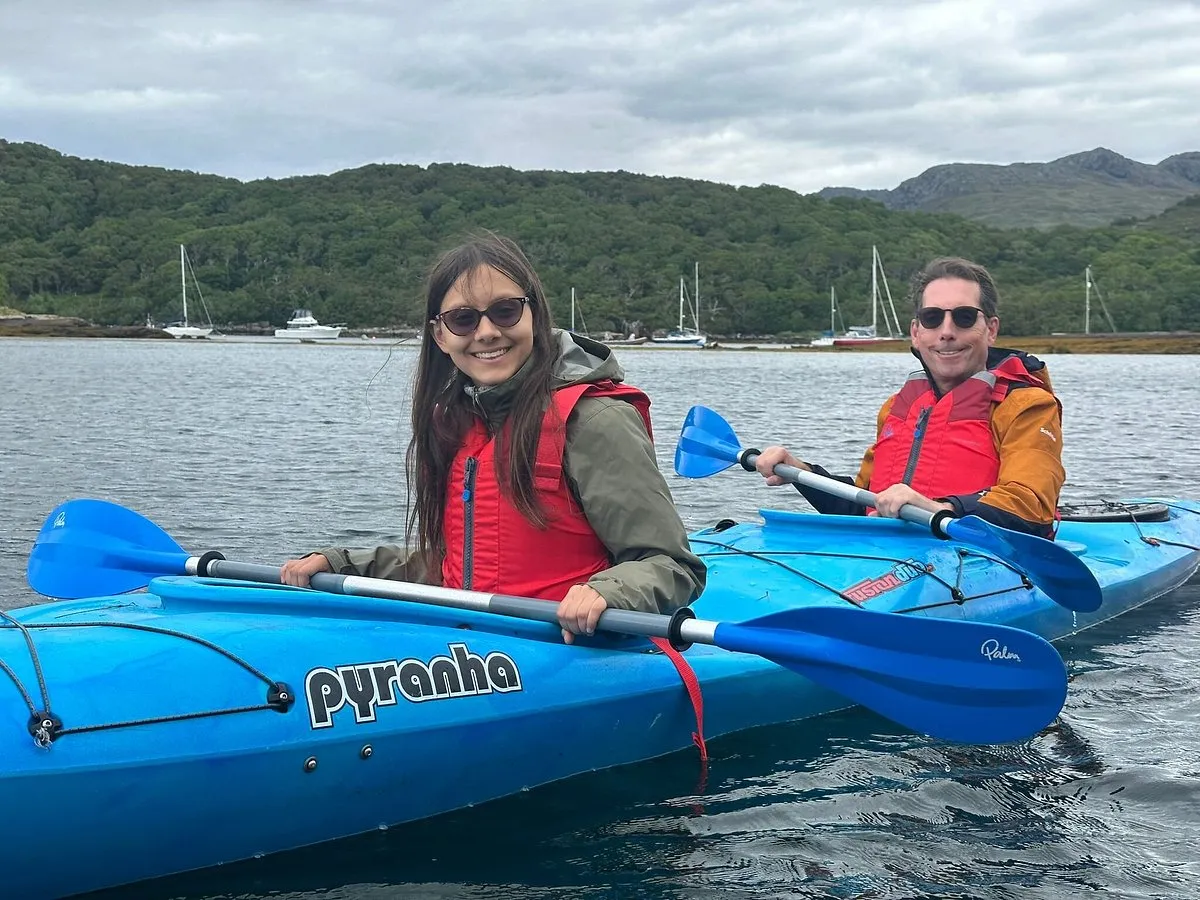
To understand the military events you must also understand the civilian backdrop; that is why I include the Highland Folk Life Museum on many bespoke military history tours. The museum recreates 18th-century Highland village life and displays artefacts from the Jacobite era, giving insight into how households were organised, how agricultural cycles shaped mobilisation, and how civilians experienced quartering and military requisitioning. Allow 60 to 90 minutes for the museum to compare domestic artefacts with accounts from the same period found in battle records and muster rolls. This comparison enriches your grasp of why certain districts were more sympathetic to the Jacobite cause, and why others supported government forces. On tailored battlefield visits combining the museum with Culloden and Fort George you will see a narrative from daily life to armed conflict and then to fortified control, a sweep that makes Scotland’s 18th-century experience comprehensible in human terms.
What to look for inside the museum
Pay attention to housing layout, tools, and clothing displays; these reveal the logistical limits the Highlanders faced during mobilisation and explain why terrain and seasonality mattered in campaign planning.
12. Sample Bespoke Itineraries and Logistics
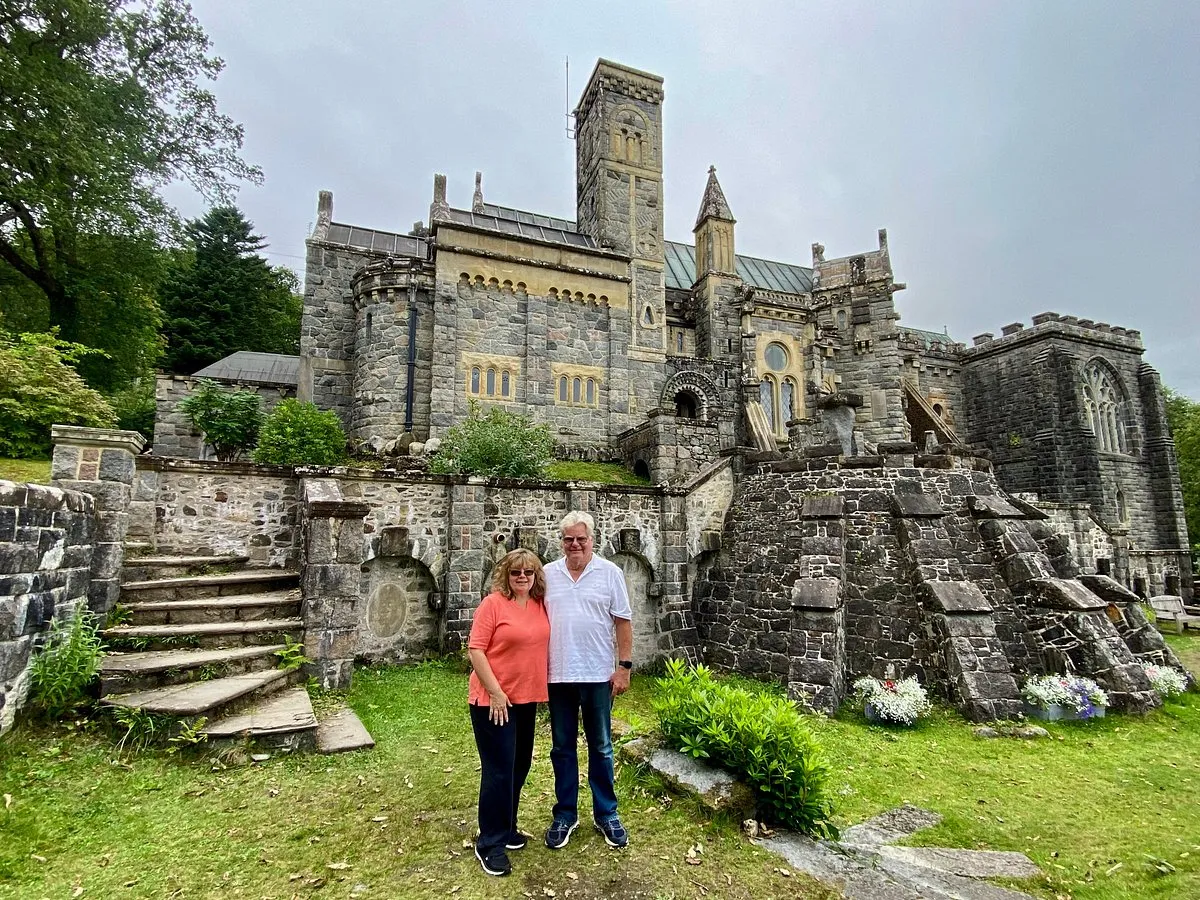
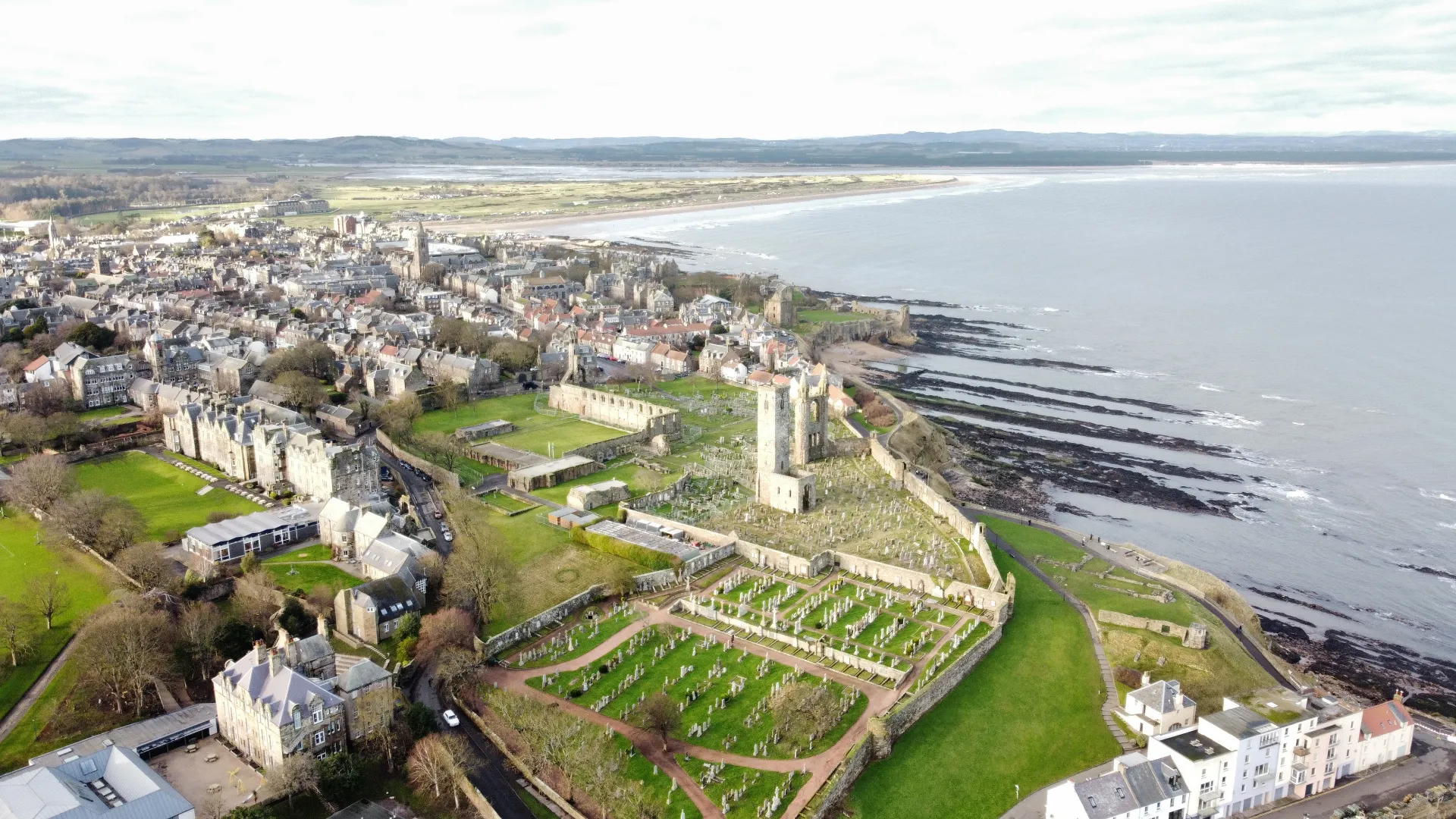
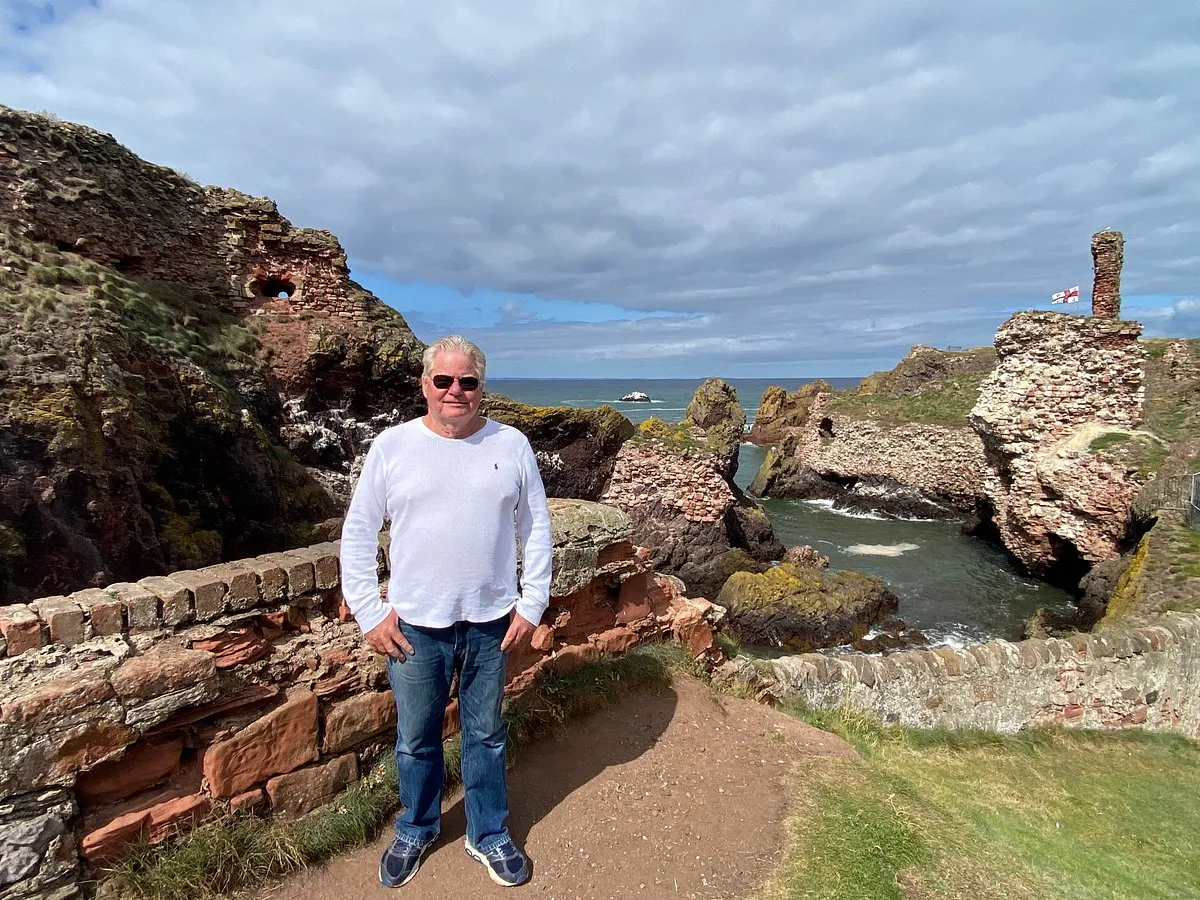
A tailored battlefields tour can be a half-day, full-day or multi-day experience depending on your interests and time. A popular single-day option is a 9-10 hour private Culloden-focused tour from Glasgow with hotel pick-up, three hours at the Culloden visitor centre and additional stops at Fort George and Clava Cairns. If you prefer a shorter deep dive, operators often offer five-hour immersive sessions at Culloden including bagpiper-led moments and Gaelic song; other providers include three-hour visitor centre sessions post-lunch as part of wider Scotland tours. For multi-day bespoke military history trips you can combine Glenfinnan, Spean Bridge, Glencoe, Stirling Castle and Edinburgh with flexible pacing and on-request primary-source briefings. Practical logistics to consider: private tours usually run with driver-guides who can handle ferry bookings, accommodation arrangements and site admissions; book at least 4 to 8 weeks ahead in high season to guarantee your preferred dates and times, particularly if you want specific experiential elements like a bagpiper at Culloden or private museum access.
Booking tips for bespoke military history tours
Specify your party size and interests early, ask about exact durations for each stop and request written sample itineraries. Confirm whether admission fees and parking are included in the quoted price to avoid surprises on the day.

Sample Comparison of Private Battlefield Visit Formats
| Provider or Format | Typical Duration | Highlights |
|---|---|---|
| Full-day private Culloden tour from Glasgow | 9-10 hours | Hotel pick-up/drop-off, 3 hours at Culloden visitor centre, time on the moor, optional Fort George and Clava Cairns |
| Highland Historian deep dive | 5 hours | Extended Culloden focus with bagpipe laments and Gaelic singing demonstrations |
| Stephen Ambrose-style visit | 3 hours + post-lunch centre time | Visitor centre immersion followed by moorland walk and interpretive reading |
Frequently Asked Questions
How much walking is involved on a typical tailored battlefield tour?
Walking varies by itinerary: Culloden moor requires gentle walking across shallow slopes and flat ground, usually 1 to 3 kilometres total when following markers and interpretation panels. Glenfinnan involves short climbs to viewpoints, and Clava Cairns is a compact hop from its car park. If you have mobility concerns specify this for your bespoke tour and your driver-guide will adapt the route, use the car for closer drops, or arrange more museum-based interpretation to reduce walking while preserving the story.
Can you include cultural experiences like bagpipes and Gaelic song in a bespoke battlefield itinerary?
Yes, many tailored battlefield tours incorporate cultural elements on request. Some providers offer five-hour immersive experiences at Culloden that include bagpipe laments and Gaelic singing demonstrations to connect military loss with cultural memory. Tell your tour operator at booking and they will confirm availability, timing and any additional costs for performers or exclusive access.
What is the best way to combine battlefield visits with visits to Edinburgh or Stirling?
Build the itinerary around logistics: use Edinburgh or Stirling as your base for lowland and political context, then travel north for Highlands battlefield days. For example, spend a morning in Edinburgh Castle and Holyroodhouse for political context, then take a dedicated 9-10 hour private day to Culloden and Fort George from Glasgow or Inverness. Alternatively, spread the Highlands section over two days to include Glenfinnan, Spean Bridge and Glencoe without rushed travel, ensuring time for primary-source discussion and landscape walks.
Ready to design your personalised battlefield journey?
Get in touch and tell us which events, dates and themes you care most about. We will craft a tailored battlefields tour Scotland to match your interests, mobility needs and timing.
Contact Personal Tours of ScotlandSources
- Culloden Battlefield tours – Details on visitor centre facilities and private Culloden tour durations
- Stephen Ambrose Scotland tour overview – Context for Glenfinnan standard-raising and tour structures
- Highland Historian reviews – Visitor comments on immersive Culloden deep-dive experiences
- Solway Battlefields Tours – Examples of specialist battlefield tour offerings
- Kilted Piper Tours itineraries – Sample multi-day itineraries combining castles and battle sites
Final Thoughts
Tailored battlefields tours Scotland transform stone, turf and museum display into a living narrative that you can follow at your own pace. Whether you want a forensic five-hour study of Culloden, a full 9-10 hour day linking Glenfinnan, Clava and Fort George, or a multi-day bespoke itinerary spanning Edinburgh’s political heart to the glens of the Highlands, private battlefield visits let you chase the questions that matter to you. Book early, be specific about the experiences you want, and prepare to leave with a clearer, more human understanding of why those dates and places still matter.